@hhadmin

The safest practice is to turn off portable space heaters before going to bed. Follow the manufacturer’s instructions, and never leave a portable heater operating unattended. See our guide on Winter...
View Question
No. Opening a garage door does not make generator operation safe. Portable generators must be operated outdoors, at least 20 feet from the house, with exhaust directed away from windows, doors, and vents....
View Question
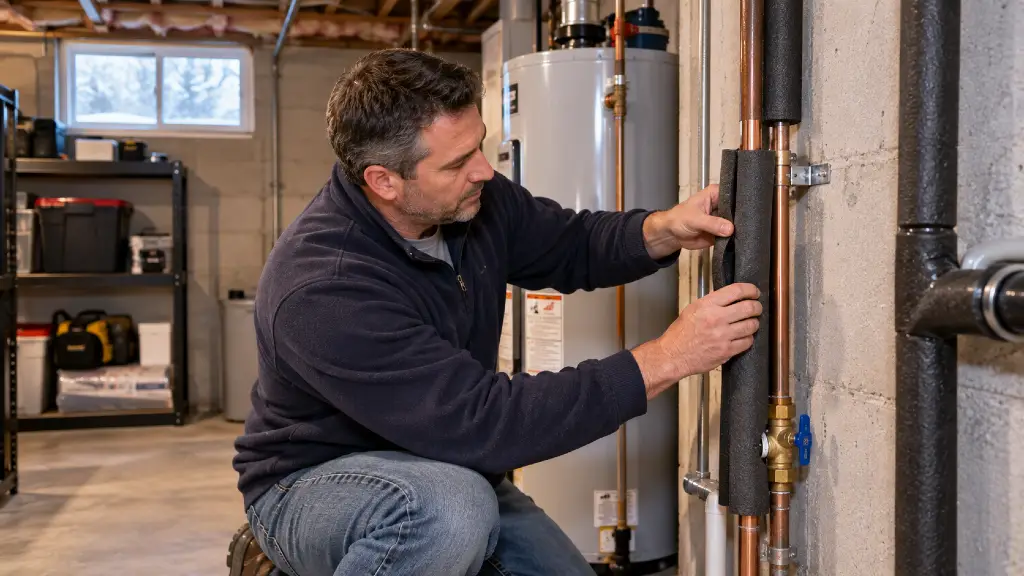
There isn’t one reliable time limit that applies to every house. The risk depends on outdoor temperature, how long the outage lasts, insulation, pipe location, construction, and indoor temperature....
View Question
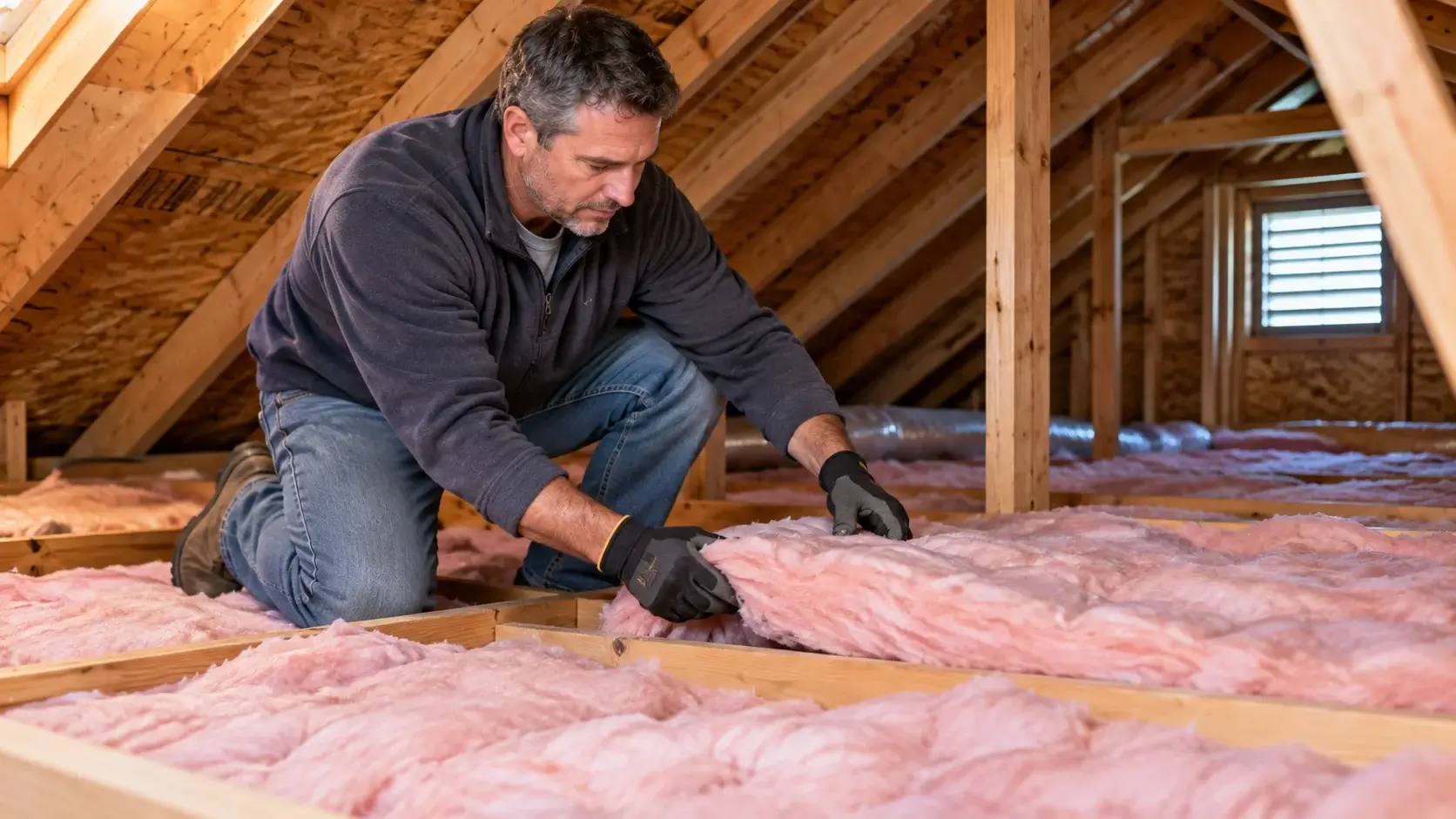
Look at the insulation across the attic rather than checking only one spot. If it is level with or below the tops of the floor joists and the joists are easily visible, additional insulation may be needed....
View Question
A hair dryer can be used to apply gradual heat to an accessible frozen pipe. Keep electrical equipment away from standing water and use caution. Never use an open flame to thaw plumbing. A portable space...
View Question
Keep the heat on and maintain a consistent indoor temperature. During extreme cold, consider allowing a small amount of water to drip from faucets supplied by vulnerable pipes and open appropriate sink...
View Question
Frequent cycling can be caused by restricted airflow, a dirty filter, thermostat problems, an oversized furnace, overheating, or other mechanical issues. If changing a dirty filter doesn’t resolve the...
View Question
For many residential heating systems, annual professional maintenance is a good practice, with fall being a convenient time for a pre-season inspection. Your furnace manufacturer may have specific maintenance...
View Question
Yes. It’s a good idea to test your furnace before cold weather arrives. Set the thermostat to Heat and raise the temperature enough to activate the system. Make sure the furnace starts normally, warm...
View Question
Caulk can be useful for sealing appropriate stationary gaps around window frames and trim. However, don’t caulk moving parts or block drainage openings designed to allow water to escape. How to Seal...
View Question