If your second floor always feels warmer than downstairs, these seven common causes—and their solutions—can help you stay comfortable while reducing strain on your HVAC system.
1. Hot Air Naturally Rises
The most obvious reason is also one of the biggest.
Warm air is lighter than cool air, causing it to rise throughout your home. Even when your air conditioner is working properly, the upper floor often collects more heat simply because of basic physics.
While you can’t stop warm air from rising, you can improve airflow to help distribute cool air more evenly throughout the house.
2. Your Attic Is Too Hot
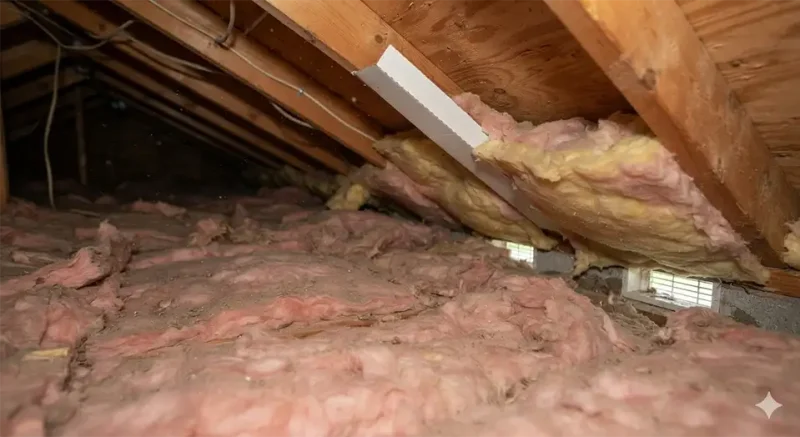
During the summer, attic temperatures can easily exceed 120–150°F.
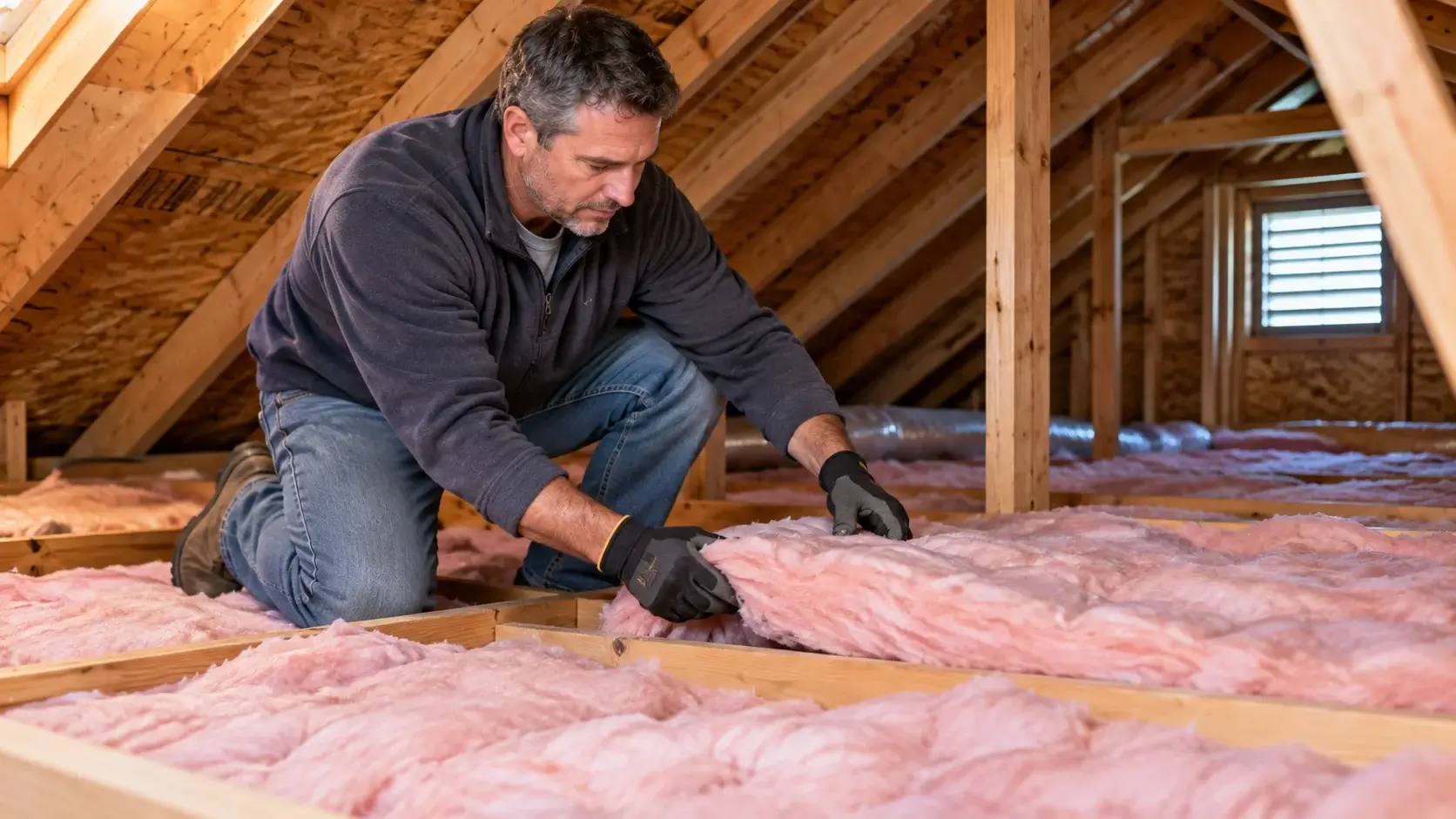
If your attic lacks proper insulation or ventilation, that heat transfers through the ceiling and into the rooms below.
Signs this may be your problem include:
- Bedrooms directly below the attic feel hottest.
- Upstairs ceilings feel warm.
- Cooling becomes more difficult during sunny afternoons.
Proper attic insulation and ventilation work together to keep excess heat out of your living space. If insulation is blocking soffit vents or your attic doesn’t have enough ventilation, heat can build up quickly and make upstairs rooms much harder to cool.
Need an Insulation or Roofing Professional?
Improving attic insulation and ventilation often requires professional installation.
Browse trusted insulation contractors and roofing professionals in the HelpHouse Contractor Directory to find experienced local experts.

3. Your HVAC System Isn’t Balanced
Most central air conditioning systems serve both floors using the same blower.
If too much cooled air is directed downstairs, the upstairs receives less airflow.
This is known as an unbalanced HVAC system.
An HVAC technician can often adjust dampers or rebalance airflow so each floor receives more consistent cooling.
4. Dirty Air Filters Restrict Airflow
A clogged HVAC filter reduces airflow throughout your entire home.
Because upstairs rooms are already harder to cool, they often become the first place where reduced airflow is noticeable.
Replacing your HVAC filter every one to three months helps your system operate more efficiently while improving airflow to every room.
5. Air Vents Are Blocked
Walk through your upstairs and make sure none of your air supply vents are blocked by furniture, curtains, storage boxes, or other items.
Depending on your home’s HVAC system, supply vents may be located in the floor, walls, or ceiling. Make sure each vent is fully open and able to circulate air freely.
Essential Summer Adjustments for Upstairs Comfort
- Set Your Thermostat Fan to “ON”: Switch the fan setting from “Auto” to “On” to keep the air constantly circulating between the floors, preventing heat from stratifying upstairs.
- Partially Close First-Floor Vents: Gently restrict the airflow to cooler downstairs rooms to force more cold air up to the hot second floor. Never close them completely, as this can damage your system.
- Clear the Returns: Ensure the large return grates upstairs are entirely unobstructed by furniture so the system can successfully suck out the trapped hot air.
Need HVAC Service?
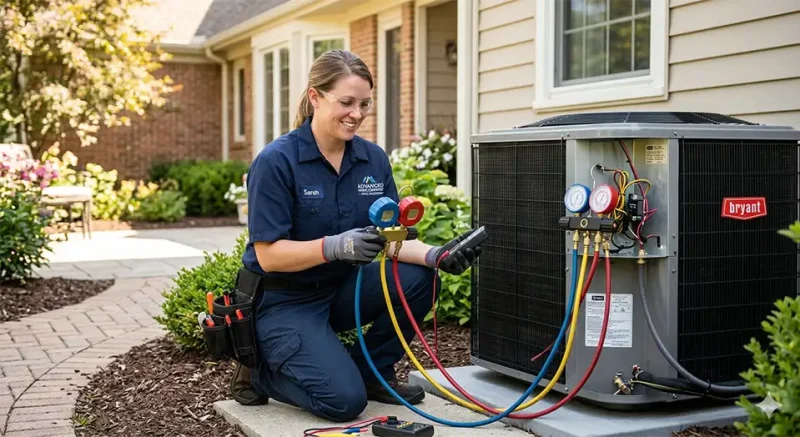
If your upstairs still isn’t cooling properly after replacing the filter and checking vents, your HVAC system may need professional service.
Find trusted HVAC contractors in the HelpHouse Contractor Directory to diagnose airflow problems and improve your home’s comfort.
6. Air Leaks Around Windows and Doors
Small gaps around upstairs windows and doors allow hot outdoor air to enter while cooled air escapes.
Older homes are especially susceptible.
Inspect for:
- Cracked caulk
- Damaged weatherstripping
- Drafts around windows
- Poorly sealed attic access doors
Sealing these leaks improves comfort while lowering energy costs.
7. Your Air Conditioner May Be Too Small—or Too Old
If your air conditioner runs continuously but still struggles to cool the second floor, the system itself may be the problem.
Possible issues include:
- Aging equipment
- Low refrigerant
- Worn components
- Improper system sizing
- Poor duct design
An HVAC inspection can determine whether repairs or replacement would improve performance.
Additional Ways to Keep Your Upstairs Cooler
While solving the underlying cause is important, these simple tips can also help reduce upstairs temperatures.
Close Curtains During Peak Sunlight
Blackout curtains or cellular shades can significantly reduce heat entering through upstairs windows.
Use Ceiling Fans Correctly
During summer, ceiling fans should rotate counterclockwise to push cool air downward.
Remember that fans cool people—not rooms—so turn them off when the room isn’t occupied.
Keep Interior Doors Open
Allowing air to circulate between rooms often improves cooling throughout the second floor.
Avoid Heat-Producing Appliances Upstairs
Electronics, televisions, gaming systems, and computers all generate heat.
Limiting their use during the hottest part of the day can help.
Schedule Annual HVAC Maintenance
Regular maintenance helps your air conditioner operate at maximum efficiency before small problems become expensive repairs.
Frequently Asked Questions
Is it normal for upstairs to be hotter than downstairs?
Yes.
Because warm air naturally rises, upstairs rooms are usually a few degrees warmer. However, if the difference is significant, poor airflow, inadequate insulation, or HVAC issues may be contributing.
Should I close downstairs vents to force more air upstairs?
Generally, no.
Closing vents can reduce HVAC efficiency and place unnecessary strain on your system. If airflow is uneven, professional balancing is usually a better solution.
Does attic insulation really make a difference?
Absolutely.
Proper attic insulation helps keep summer heat out of your living space while reducing cooling costs and improving overall comfort.
Can ceiling fans replace air conditioning?
No.
Ceiling fans make you feel cooler by moving air across your skin, but they do not actually lower the temperature of a room.
Final Thoughts for Keeping Your Upstairs Cool
If your upstairs always feels hotter than the rest of your home during the summer, you’re certainly not alone. While some temperature difference is normal, excessive heat often points to issues such as poor attic insulation, restricted airflow, blocked vents, air leaks, or an HVAC system that needs attention.
Many homeowners can improve comfort with simple DIY maintenance, while larger projects are best handled by experienced professionals.
Need Help Keeping Your Home Comfortable?
Whether you need an HVAC technician, insulation contractor, roofer, window installer, or general contractor, the HelpHouse Contractor Directory makes it easy to find trusted professionals for your next home improvement project.
Browse contractor listings, compare services, and connect with experienced local experts to keep every level of your home comfortable all summer long.

Best of General Contractor Directory



Continue Reading
Continue improving your home’s comfort with these helpful guides on HelpHouse:
- HVAC Tips for Homeowners in the Summer
- Summer Home Maintenance Checklist: 25 Essential Tasks Every Homeowner Should Complete
- How to Keep Your House Cool Without Lowering the Thermostat: 15 Smart Ways to Beat the Heat
- Best Thermostat Settings for Summer
- Summer Energy Saving Tips That Actually Work
Are you a contractor?
Help homeowners find your business by listing your company in the HelpHouse Contractor Directory.