There’s something satisfying about getting your home ready for the change of seasons. As summer fades and temperatures begin to drop, a little preparation can make your house warmer, more comfortable, and better protected when winter finally arrives.
The key is to prepare before you actually need your home heating system, outdoor plumbing, and winter equipment. Discovering a problem on the first freezing night of the year is much less convenient than finding it while the weather is still mild.
The good news is that preparing your home for colder weather doesn’t have to mean tackling everything at once. Work through these 15 steps over several weekends, starting with the jobs that could cause the most trouble if they’re left until after freezing weather arrives.
Quick Cold Weather Home Preparation Checklist
Before getting into the details, here’s a quick overview of the 15 things you should consider doing:
- Test your heating system
- Check and replace HVAC filters
- Find and seal drafts
- Inspect windows and doors
- Check your home’s insulation
- Protect pipes from freezing
- Disconnect and protect outdoor plumbing
- Clean and inspect gutters
- Check your roof and flashing
- Prepare your fireplace or wood stove
- Check for moisture and leaks
- Prepare your winter equipment
- Protect outdoor furniture and equipment
- Check safety devices and emergency supplies
- Complete a final exterior walk-around
Now let’s take a closer look at each step.
1. Test Your Heating System Before You Need It
One of the worst times to discover a heating problem is during the first major cold snap of the year.
Turn your heating system on while the weather is still reasonably mild and give it time to operate.
Pay attention to:
- Whether the system starts normally
- Strange noises
- Unusual odors
- Weak airflow
- Uneven heating between rooms
- Short cycling or repeated starts and stops
- A thermostat that doesn’t appear to control the temperature properly
If something doesn’t seem right, have the system inspected before temperatures become consistently cold.
For older heating systems or equipment that hasn’t received regular maintenance, scheduling professional service before winter can be particularly worthwhile.
Need Heating or Cooling Help?
If your furnace or heat pump needs service, visit our expanding HelpHouse Contractor Directory to find HVAC professionals who can help prepare your system for the colder months.




2. Check and Replace Your HVAC Filter
Your heating system needs adequate airflow to operate properly.
Check the HVAC filter before the start of heating season and replace it when necessary. The correct replacement schedule depends on the type of filter, your HVAC system, and conditions inside your home.
A clean filter can help maintain airflow and reduce unnecessary strain on your equipment.
If you’re not sure where your filter is located, it may be behind a return-air grille or inside the indoor air handler or furnace area, depending on your system.
Don’t automatically assume that every HVAC system uses the same type or size of filter.
3. Find and Seal Drafts
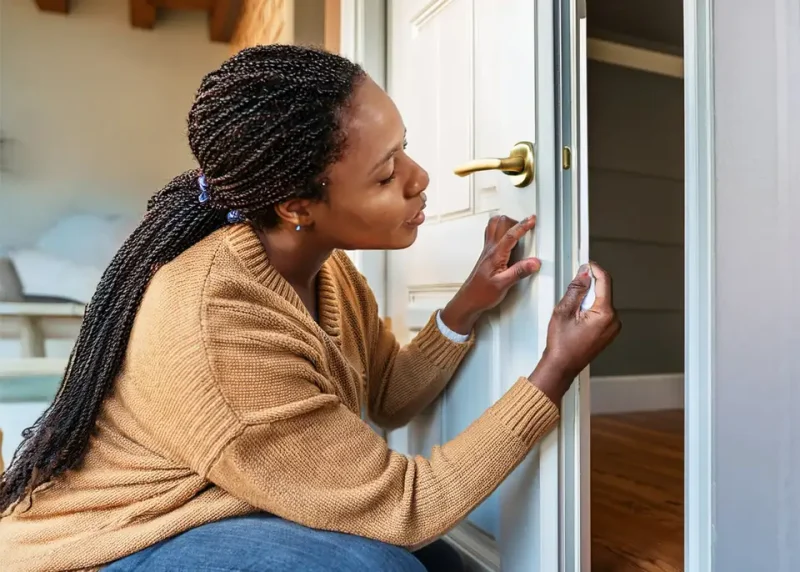
A house can lose a surprising amount of heated air through small gaps and cracks.
Before winter, walk around your home and look for obvious areas where outdoor air may enter.
Pay particular attention to:
- Window frames
- Exterior doors
- Door thresholds
- Baseboards along exterior walls
- Utility penetrations
- Areas around pipes
- Electrical penetrations
- Attic access openings
Some small gaps can be sealed with appropriate caulk or weatherstripping.
If you discover significant air leakage or aren’t sure how to correct it, an energy-efficiency professional or qualified contractor can help identify the source.
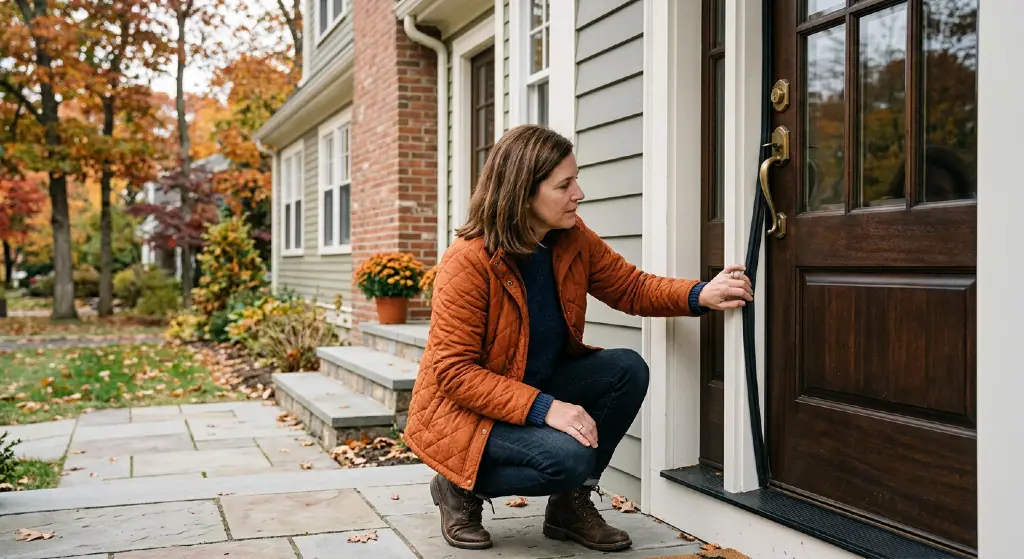
4. Inspect Your Windows and Exterior Doors
Drafts aren’t always caused by a simple crack in the wall.
Worn weatherstripping, damaged seals, poorly adjusted doors, and deteriorated caulk can all allow cold outdoor air inside.
Check each exterior door to make sure it closes tightly.
Look around windows for:
- Cracked or missing caulk
- Damaged weatherstripping
- Loose trim
- Broken seals
- Noticeable drafts
Replacing worn weatherstripping is often an inexpensive improvement that homeowners can handle themselves.
If windows are severely damaged or inefficient, however, it may be worth discussing repair or replacement options with a qualified professional.
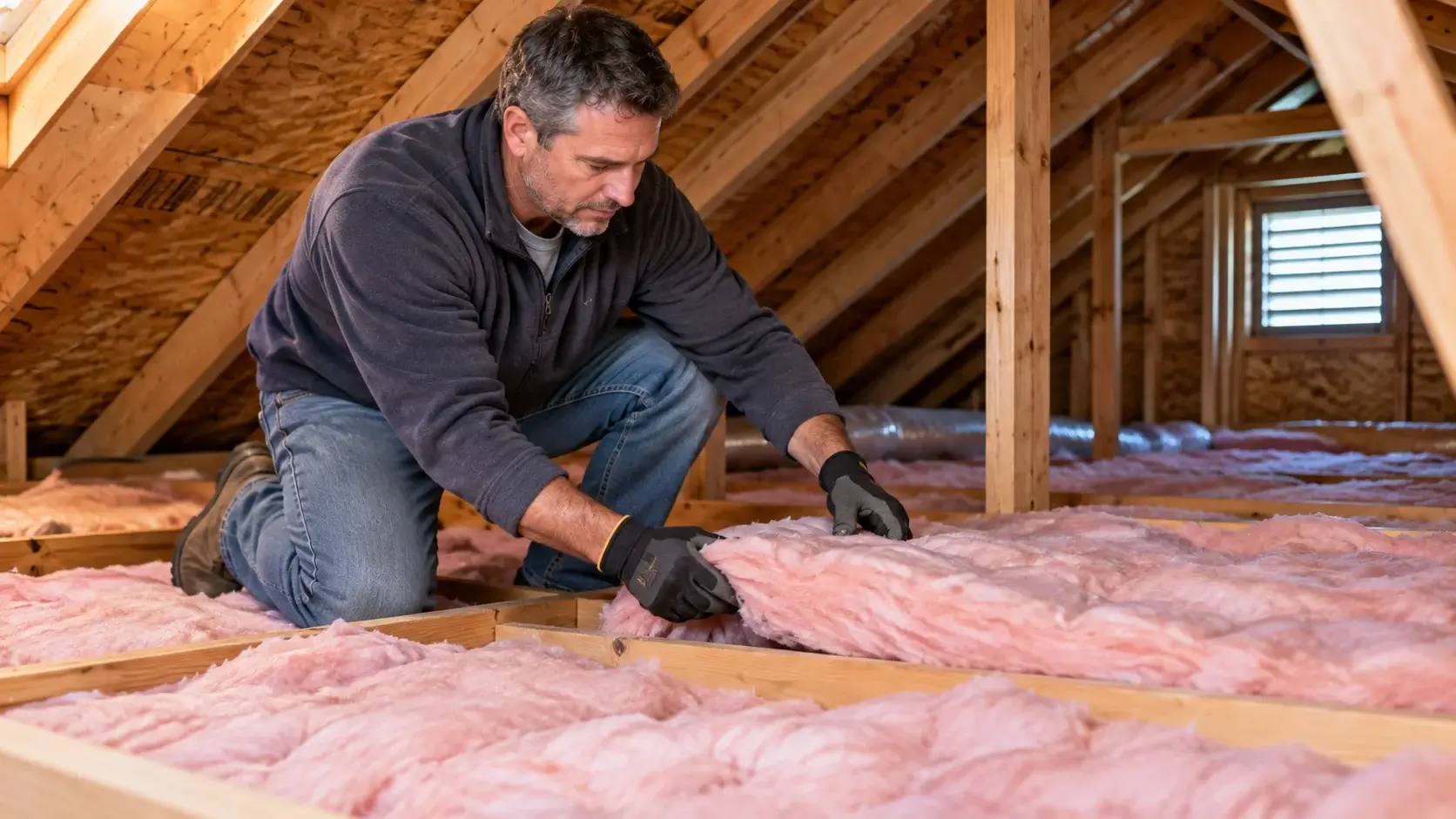
5. Check Your Home’s Insulation
Insulation helps slow the transfer of heat between your conditioned living space and the outdoors.
Before winter, pay particular attention to your attic, where inadequate insulation can contribute to heat loss.
You may notice problems such as:
- Thin or missing insulation
- Compressed insulation
- Exposed areas
- Moisture damage
- Drafts around attic openings
Don’t simply add insulation without first checking for moisture or ventilation problems.
If you’re unsure whether your home has adequate insulation, consider having the attic evaluated by an insulation professional.
A Small Improvement With Year-Round Benefits
Proper insulation isn’t only useful during winter. It can also help your home stay cooler during summer, making insulation one of the more valuable improvements for year-round comfort.
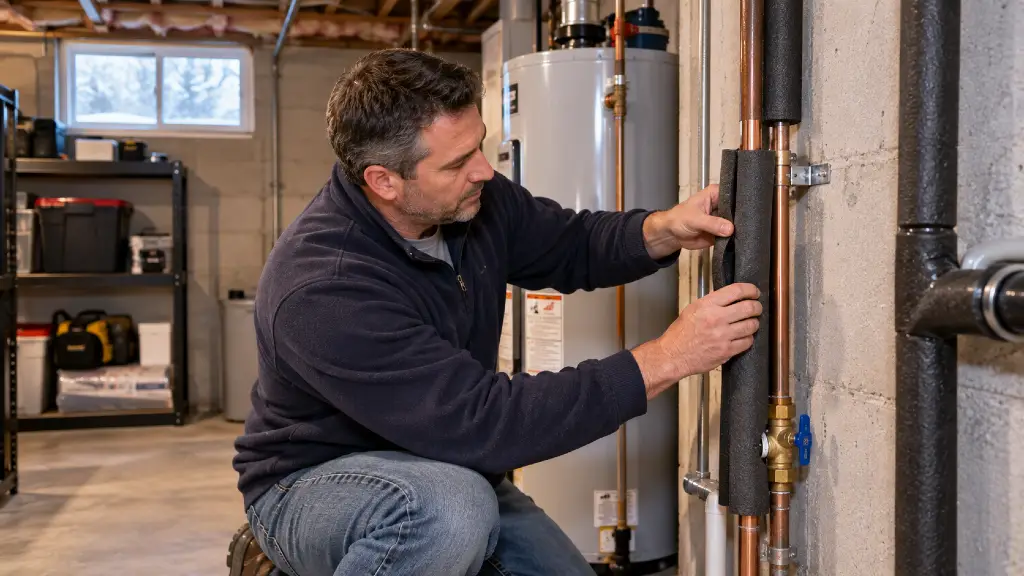
6. Protect Pipes From Freezing
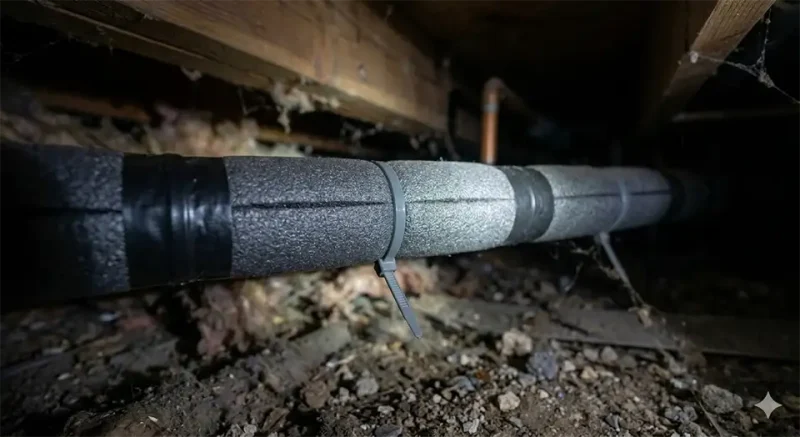
Frozen pipes can cause significant water damage if they burst.
Before temperatures drop below freezing, identify plumbing in areas that may be exposed to cold air.
Pay attention to pipes located in:
- Unheated garages
- Crawl spaces
- Basements
- Attics
- Exterior walls
- Other poorly insulated areas
Pipes in vulnerable locations may need additional insulation or other protection.
If you have had frozen pipes in the past, don’t simply wait for the same problem to happen again. Determine why the pipes froze and address the underlying vulnerability.
Know Where Your Main Water Shutoff Is
Every homeowner should know where the main water shutoff valve is located.
If a pipe does freeze and burst, shutting off the water quickly can help limit the damage.
If you don’t know how your home’s plumbing system works, a plumber can show you where the shutoff is and explain how to use it.
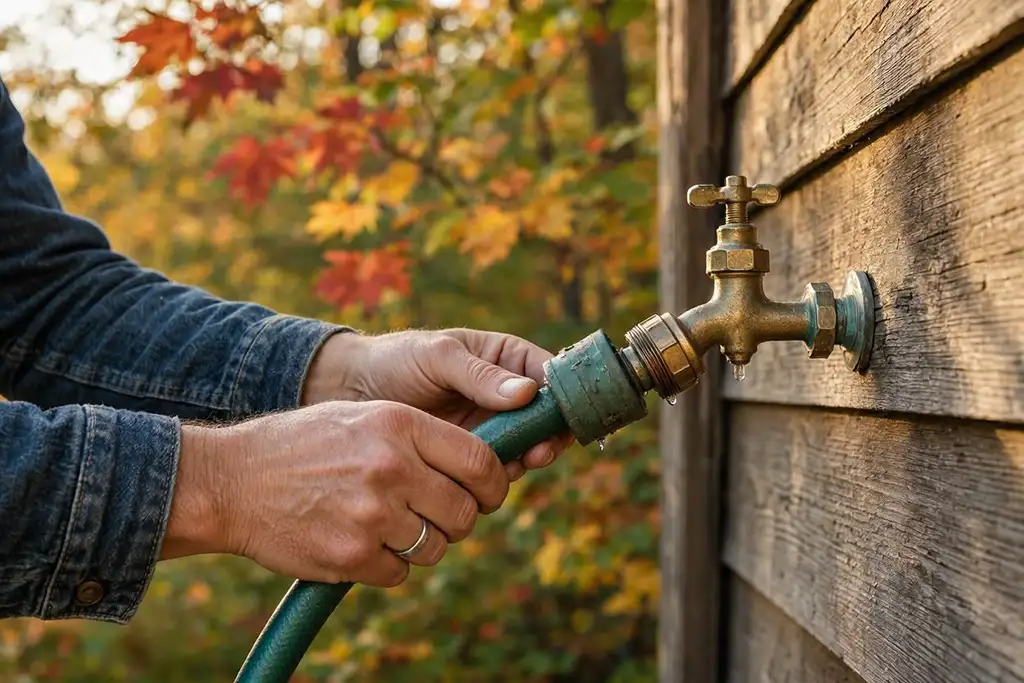
7. Disconnect and Protect Outdoor Plumbing
Garden hoses and outdoor faucets deserve special attention before freezing temperatures arrive.
Start by:
- Disconnecting garden hoses.
- Draining remaining water from hoses.
- Storing hoses in a protected location.
- Following your home’s recommended procedure for exterior faucets.
- Checking exposed plumbing for damage.
Don’t assume that every outdoor faucet or hose bib should be winterized in exactly the same way. Frost-free faucets and other systems have specific requirements.
If you’re unsure what your home needs, ask a plumber.
8. Make Sure Your Gutters and Downspouts Are Ready
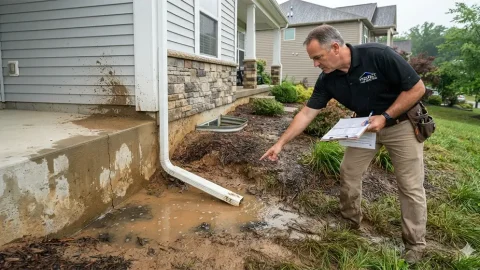
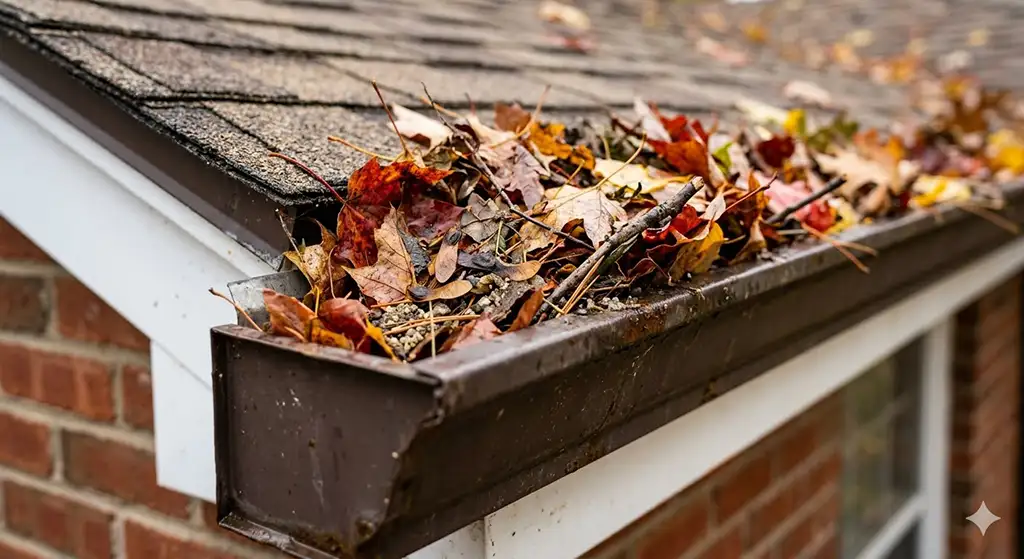
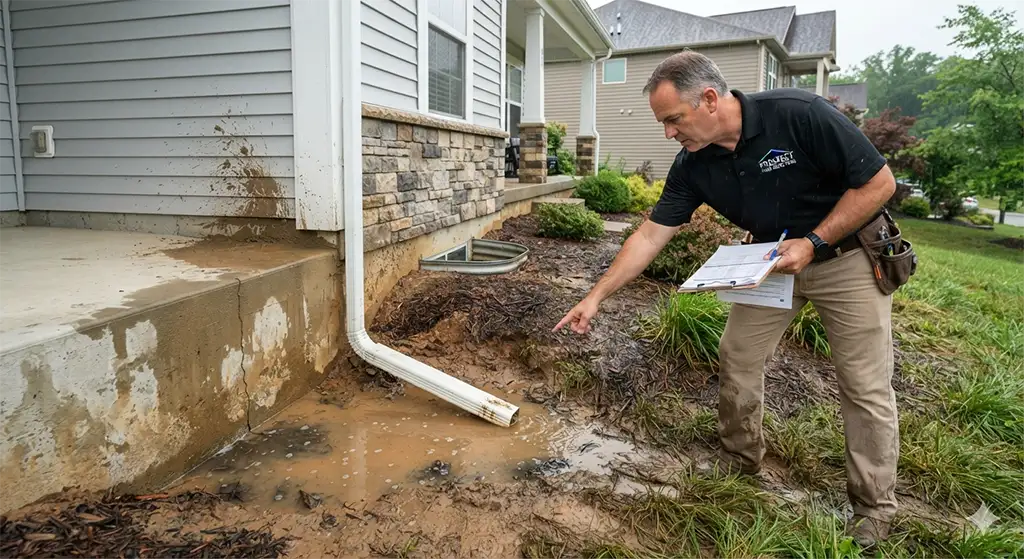
Fall leaves can quickly block gutters and downspouts.
Before the worst of the autumn weather arrives, make sure water has a clear path away from your roof and foundation.
Check for:
- Leaves and debris
- Sagging gutters
- Loose fasteners
- Damaged sections
- Blocked downspouts
- Water draining too close to the foundation
Make sure downspouts direct water away from the house.
If your gutters are difficult or dangerous to access, hire a professional rather than taking unnecessary risks on a ladder.
Related HelpHouse Guide:
Fall Home Maintenance Checklist: 25 Essential Tasks Every Homeowner Should Complete
9. Inspect Your Roof and Flashing
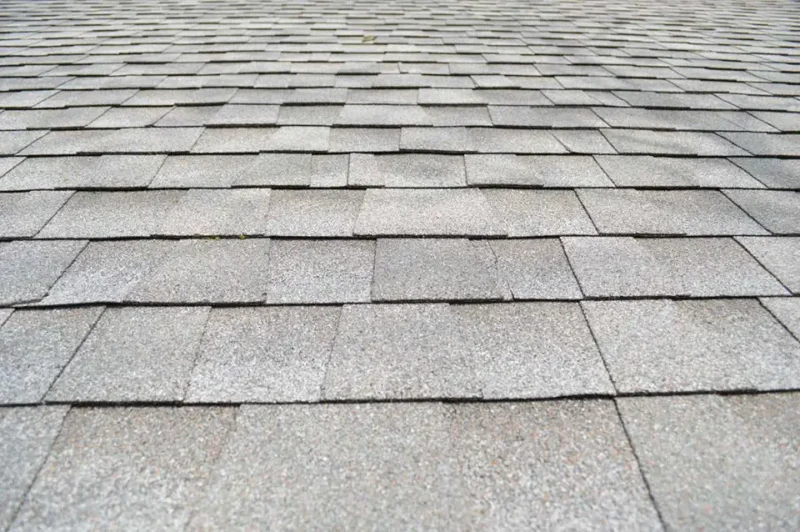
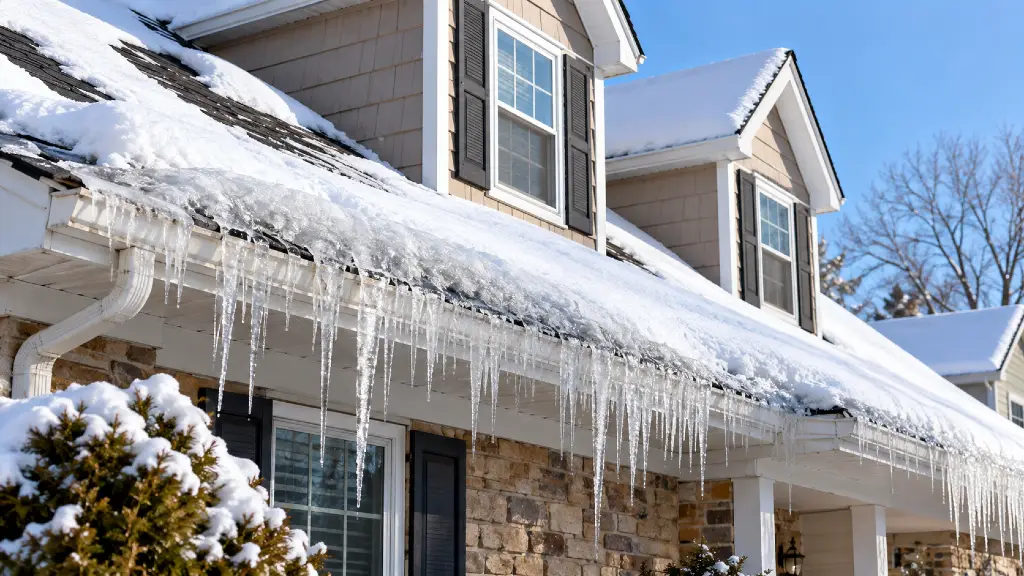
Your roof is your home’s primary defense against rain, snow, and ice.
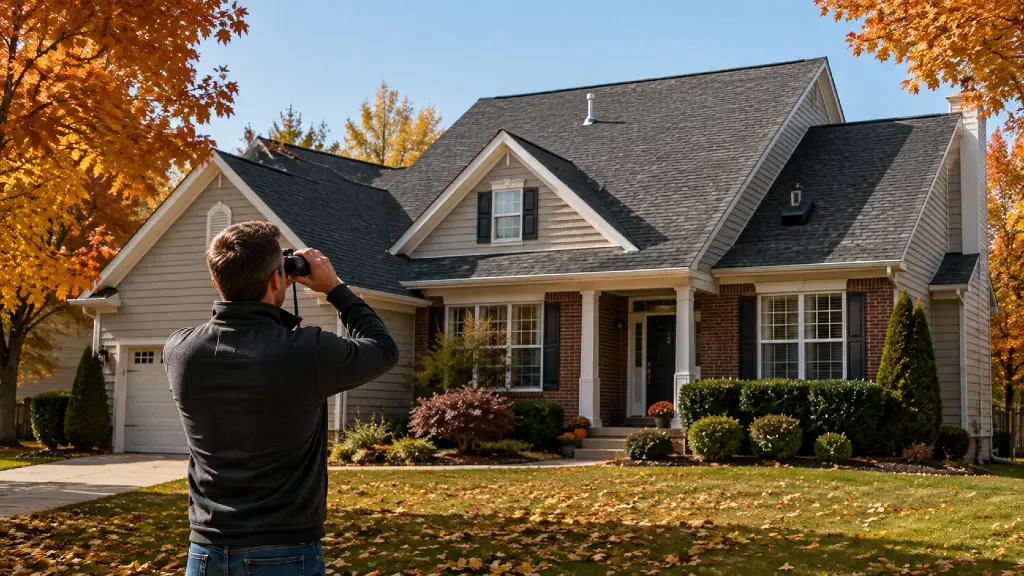
Before winter, look for obvious signs of trouble from a safe location on the ground.
Check for:
- Missing shingles
- Damaged shingles
- Sagging areas
- Damaged flashing
- Problems around vents
- Debris accumulation
- Signs of water intrusion
Don’t climb onto a steep or wet roof to perform your own inspection.
If you see something concerning, have a qualified roofing professional evaluate it.
Fixing a roof problem before winter is generally preferable to discovering a leak after snow or ice has already arrived.
10. Prepare Your Fireplace or Wood Stove
If you use a fireplace or wood-burning stove, make sure it’s ready before the first fire of the season.
Depending on the type and frequency of use, your chimney may need professional inspection and cleaning.
Also check:
- The damper
- Fireplace doors or screens
- Chimney cap
- Surrounding area
- Hearth
- Wood storage area
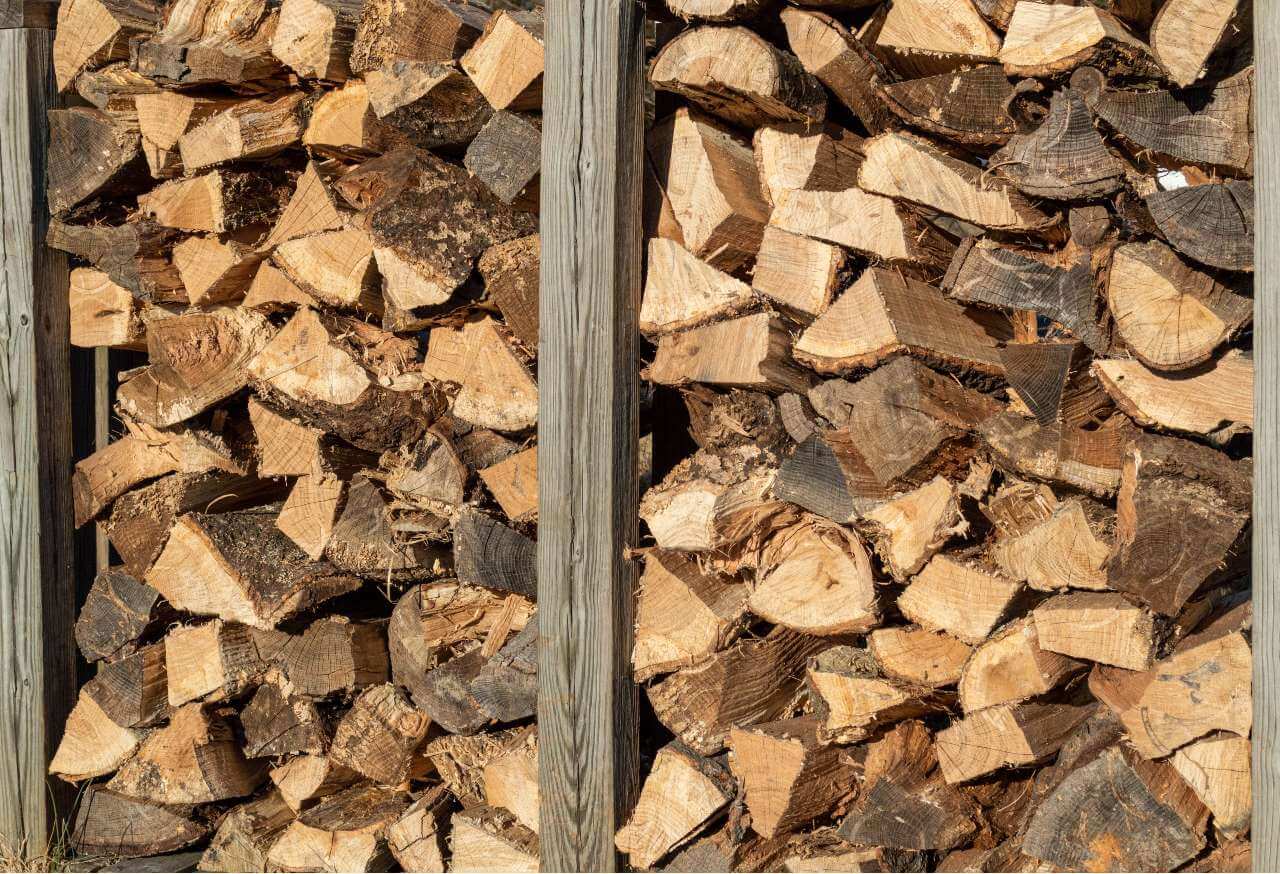
Keep firewood dry and stored appropriately.
Never use a fireplace or wood stove that appears damaged or has a suspected chimney problem until it has been properly inspected.
11. Check Your Home for Moisture and Leaks
Winter preparation isn’t only about keeping cold air out. You also want to make sure moisture isn’t getting where it shouldn’t.
Inspect your:
- Basement
- Crawl space
- Attic
- Roof
- Windows
- Exterior doors
- Plumbing connections
Look for water stains, damp insulation, musty odors, condensation, or visible leaks.
A small moisture problem can become much more difficult to address once temperatures drop.
If you find recurring moisture, concentrate on identifying the source rather than simply cleaning up the visible damage.
12. Prepare Your Winter Equipment Now
Don’t wait for the first snowstorm to discover that your snow shovel is missing or your snow blower won’t start.
Before winter arrives, locate and inspect your winter equipment.
Depending on where you live, this might include:
- Snow shovel
- Snow blower
- Ice scraper
- Winter gloves
- Ice-melting products
- Flashlights
- Batteries
- Extension cords
- Emergency supplies
If you have a snow blower or other powered equipment, follow the manufacturer’s instructions for preseason maintenance and storage.
Getting everything ready now means you won’t be scrambling when the first storm arrives.
13. Protect Outdoor Furniture and Equipment
Cold temperatures, snow, ice, and moisture can shorten the life of outdoor furniture and equipment.
Clean and store what can be moved indoors.
For items that remain outside:
- Use appropriate covers
- Secure lightweight furniture
- Store cushions indoors
- Clean outdoor equipment
- Protect sensitive materials from prolonged moisture
Don’t cover wet furniture and leave it that way for months. Allow items to dry thoroughly before storing or covering them.
14. Check Safety Devices and Emergency Supplies
Shorter days and colder weather make this a good time for a general home safety check.
Test:
- Smoke alarms
- Carbon monoxide detectors
- Flashlights
- Exterior lighting
- Emergency communication devices
Replace batteries where necessary and follow the manufacturer’s recommendations for detector replacement.
Also make sure your household knows where to find:
- First-aid supplies
- Flashlights
- Emergency contact information
- Basic tools
- Important utility shutoffs
If winter weather causes a power outage or prevents you from leaving home, having basic emergency supplies readily available can make the situation much easier to manage.
15. Complete One Final Exterior Walk-Around
After you’ve completed your major preparations, take one final walk around your property.
Look at your home as if you’re seeing it for the first time.
Ask yourself:
Could rain or melting snow get into the house?
Could freezing temperatures damage exposed plumbing?
Could wind bring a tree branch down onto the roof?
Are there obvious drafts or gaps?
Will the heating system be ready when temperatures drop?
Is there anything outside that should be secured or stored?
This final inspection can reveal small issues you may have overlooked while working through individual projects.
What Should You Do First?
If you don’t have time to complete all 15 tasks at once, prioritize the projects that can cause the most serious problems.
Start with these:
1. Heating system
Make sure you can heat your home before cold weather arrives.
2. Plumbing
Protect vulnerable pipes and outdoor faucets before freezing temperatures.
3. Roof and gutters
Address potential water intrusion before rain, snow, and ice arrive.
4. Drafts and insulation
Reduce heat loss and improve comfort before heating season.
5. Safety equipment
Make sure smoke and carbon monoxide detectors are working properly.
Once those are handled, move on to outdoor furniture, equipment, landscaping, and other seasonal projects.
When Should You Prepare Your Home for Cold Weather?
The best time depends on your local climate, but late summer and early fall are excellent times to start.
Don’t wait for the first freezing night.
Some projects—particularly HVAC service, roofing repairs, chimney work, and tree service—may require scheduling a professional. Contractors can also become busier as colder weather approaches.
Starting early gives you more time to identify problems, compare options, and complete repairs before they’re urgent.
Should You Hire a Professional?
Many cold-weather preparation tasks are straightforward DIY projects, but homeowners shouldn’t feel obligated to do everything themselves.
DIY projects may include:
- Replacing HVAC filters
- Installing basic weatherstripping
- Disconnecting garden hoses
- Testing smoke detectors
- Storing outdoor furniture
- Preparing emergency supplies
- Checking accessible areas for drafts
Consider a professional for:
- Furnace and HVAC servicing
- Roof repairs
- Chimney inspection and cleaning
- Significant plumbing work
- Large tree trimming or removal
- Electrical repairs
- Major insulation work
- Structural or foundation concerns
The goal of DIY home maintenance isn’t to do everything yourself. It’s to know what you can safely handle and when professional expertise is worth the investment.
Frequently Asked Questions
Start by making sure your heating system works properly, checking for drafts, inspecting windows and doors, protecting vulnerable plumbing, cleaning gutters, checking the roof, and inspecting insulation. Then prepare outdoor equipment and home safety supplies for winter.
There isn’t one temperature that’s ideal for every household. Your preferred setting depends on comfort, energy costs, your home’s insulation, and the people and pets living there.
A programmable or smart thermostat can help reduce heating when the home is unoccupied while maintaining comfortable temperatures when you’re home.
Check windows and doors for worn weatherstripping, damaged caulk, and visible gaps. Also inspect areas where pipes, wires, vents, and other utilities enter exterior walls.
Sealing these air leaks can improve comfort and reduce unwanted heat loss.
Protect vulnerable plumbing from freezing temperatures, disconnect outdoor hoses, follow the proper winterization procedure for exterior faucets, and make sure pipes in exposed or poorly insulated areas have appropriate protection.
If you’ve experienced frozen pipes before, have the cause investigated before the next winter.
In most cases, a central air conditioner’s outdoor condenser does not need to be completely covered for winter. Follow the manufacturer’s recommendations for your specific equipment.
If you’re concerned about leaves, debris, or other seasonal issues, ask your HVAC professional how your particular system should be prepared.
Avoid making dramatic temperature changes without considering the weather, plumbing, pets, plants, and other conditions in your home. During cold weather, completely turning off the heat can increase the risk of freezing pipes.
A programmable or smart thermostat can provide a safer way to adjust temperatures while you’re away.
Final Thoughts for Preparing Your Home for Winter
Preparing your home for colder weather is much easier when you start before winter actually arrives.
You don’t need to spend an entire weekend completing every project on this list. Start with the things that could cause serious problems if ignored—your heating system, plumbing, roof, gutters, drafts, and safety equipment. Then work your way through the remaining seasonal tasks.
A little preparation in the fall can mean a warmer, more comfortable home, fewer surprises, and potentially fewer expensive emergency repairs during the winter.
And remember: you don’t have to do everything yourself. Knowing when to tackle a project yourself and when to call a qualified professional is an important part of responsible homeownership.
Need Help Preparing Your Home for Winter?
Some cold-weather preparation projects are simple DIY tasks, while others are best handled by an experienced professional.
Whether you need an HVAC technician, plumber, roofer, insulation contractor, chimney professional, or another home improvement specialist, the HelpHouse Contractor Directory can help you find local professionals for your project.
Find a contractor in the HelpHouse Contractor Directory and get your home ready for colder weather.
More Fall Home Maintenance Help
Start with our complete seasonal checklist:
Fall Home Maintenance Checklist: 25 Essential Tasks Every Homeowner Should Complete
Fall Roof Inspection Checklist for Homeowners
When Should You Clean Your Gutters? A Homeowner’s Fall Guide
How to Winterize Outdoor Faucets Before Freezing Weather
How to Seal Drafty Windows and Doors Before Winter
How to Prepare Your Furnace Before Cold Weather
How to Prevent Frozen Pipes This Winter
How to Prepare Your Home for a Winter Power Outage
Are you a contractor?
Help homeowners find your business by listing your company in the HelpHouse Contractor Directory.