When summer temperatures soar, it’s tempting to keep lowering the thermostat to stay comfortable. Unfortunately, that often leads to higher energy bills and puts additional strain on your air conditioning system.
The good news is that you don’t always have to rely on your thermostat to keep your home cool. By making a few simple changes around your house, you can improve comfort, reduce energy usage, and help your air conditioner work more efficiently.
Here are 15 practical ways to keep your house cooler this summer—without constantly turning down the temperature.
1. Close Blinds and Curtains During the Hottest Part of the Day

Direct sunlight streaming through windows can significantly increase indoor temperatures.
Keep blinds, curtains, or blackout shades closed on windows that receive afternoon sun. This simple habit can reduce heat gain and help your air conditioner maintain a comfortable temperature.
South- and west-facing windows typically let in the most heat during the summer months.
2. Use Ceiling Fans Correctly
Ceiling fans don’t actually lower the temperature—they move air across your skin, making you feel cooler.
During the summer, ceiling fans should rotate counterclockwise to push cool air downward.
Using ceiling fans may allow you to raise your thermostat a few degrees while maintaining the same level of comfort.
3. Replace Dirty HVAC Air Filters
A clogged air filter restricts airflow, forcing your HVAC system to work harder than necessary.
Replacing your air filter every one to three months can:
- Improve airflow
- Increase cooling efficiency
- Reduce energy consumption
- Improve indoor air quality
This is one of the easiest and least expensive maintenance tasks homeowners can perform.
How to change your air filter
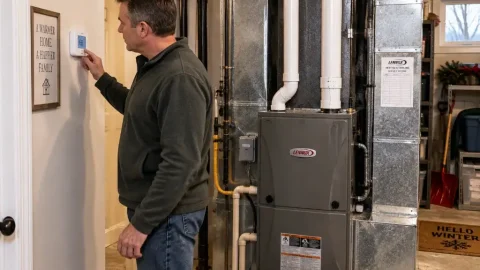
Turn off your HVAC system at the thermostat. Locate the filter grille in a hallway, wall, or the air handler unit. Slide out the dirty filter, noting its dimensions and the direction of the airflow arrow. Insert the new filter with its arrow pointing towards the furnace. You should replace disposable fiberglass or pleated filters every 30 to 90 days, depending on household pets, allergies, and seasonal system usage
Need Help With Your HVAC System?
Replacing an air filter is an easy DIY project, but if your air conditioner still isn’t cooling properly, it may be time to call a professional.
Browse trusted local HVAC contractors in the HelpHouse Contractor Directory to find experienced professionals near you.
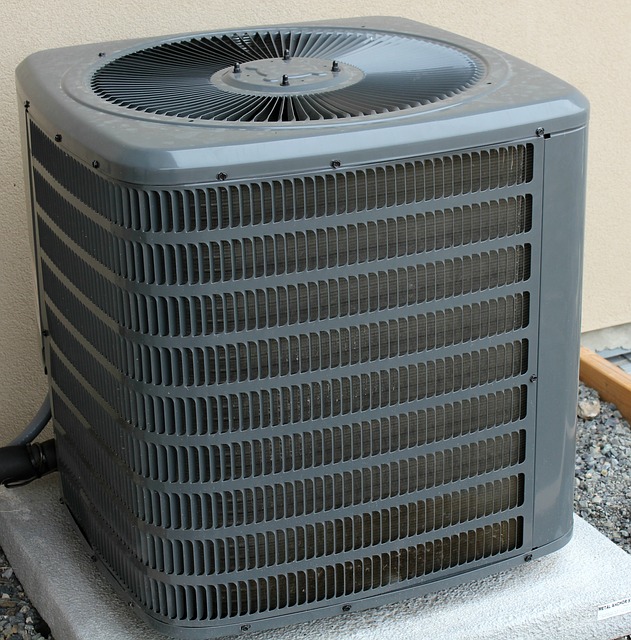
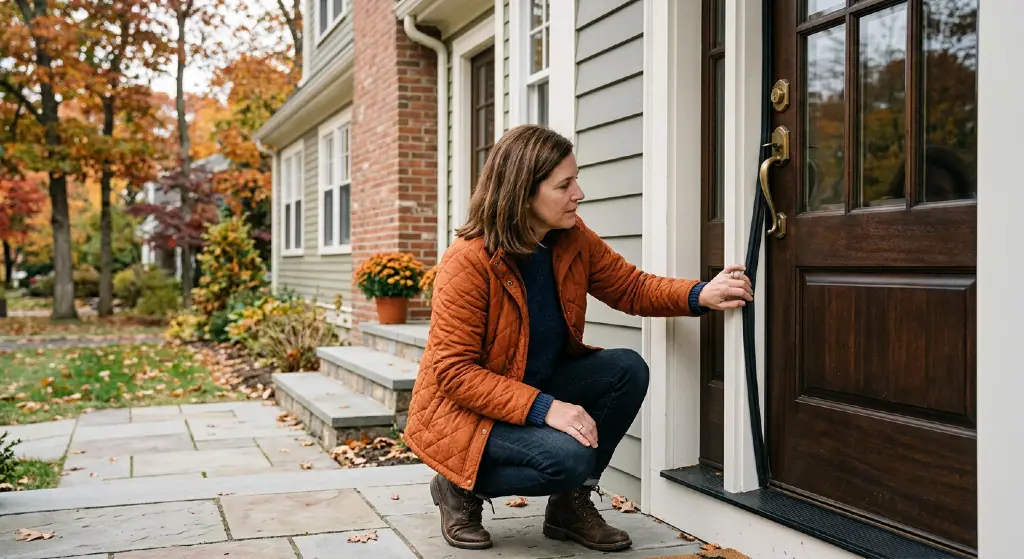
4. Seal Air Leaks Around Windows and Doors
Small gaps around windows and doors allow cool air to escape while letting hot outdoor air enter.
Inspect weatherstripping and caulking each summer and replace worn materials as needed.
Proper sealing helps your cooling system work more efficiently and may lower your monthly utility bills.
5. Avoid Using the Oven During Peak Heat

Cooking with the oven can quickly heat up your kitchen—and eventually your entire home.
Instead, consider:
- Grilling outdoors
- Using a microwave
- Cooking with an air fryer
- Preparing slow cooker meals
Your home stays cooler, and your air conditioner won’t have to work as hard.
6. Run Heat-Producing Appliances at Night
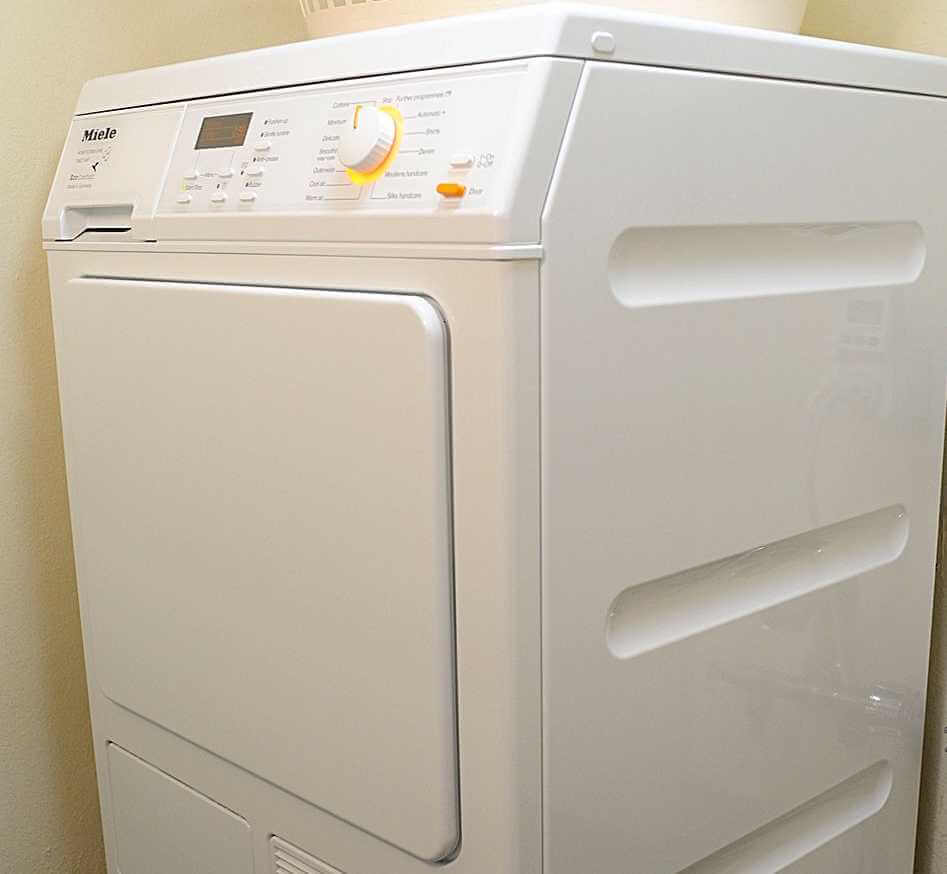
Dishwashers, clothes dryers, and washing machines all generate heat.
Whenever possible, run these appliances during the evening or early morning when outdoor temperatures are lower.
This helps reduce indoor heat buildup during the hottest part of the day.
7. Keep Supply Vents Open and Unblocked
Furniture, rugs, and curtains can accidentally block air vents.
Walk through your home and make sure every supply vent has plenty of open space around it.
Good airflow helps your HVAC system cool each room more evenly.
8. Use Kitchen and Bathroom Exhaust Fans
After cooking or showering, turn on exhaust fans to remove hot, humid air.
Lower indoor humidity makes your home feel cooler, even when the thermostat remains the same.
Need a Home Energy Upgrade?
If your home still feels warm despite these improvements, upgrading insulation, replacing drafty windows, or improving ventilation may make a noticeable difference.
Find insulation contractors, window installers, and HVAC professionals in the HelpHouse Contractor Directory.
9. Add Shade Around Your Home
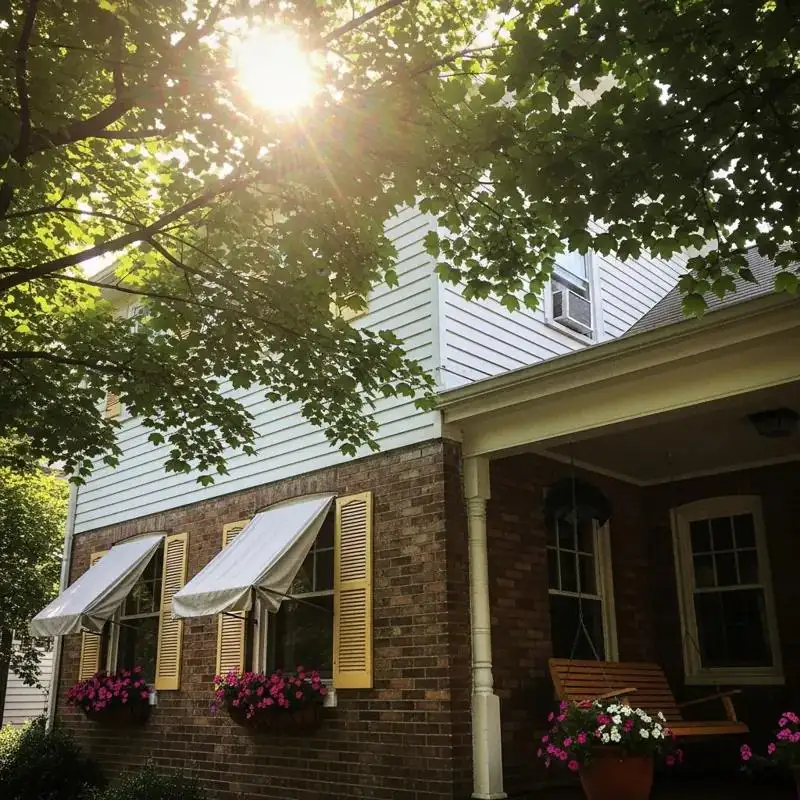
Trees, shrubs, pergolas, awnings, and shade sails can dramatically reduce the amount of direct sunlight reaching your home.
Strategic landscaping doesn’t just improve curb appeal—it can also help lower cooling costs over time.
10. Keep Interior Doors Open
Keeping interior doors open allows conditioned air to circulate more freely throughout your home.
If you have multiple floors, maintaining good airflow can help reduce temperature differences between rooms.
11. Reduce Indoor Humidity
Humidity makes your home feel warmer than it actually is.
Simple ways to reduce indoor humidity include:
- Using bathroom exhaust fans
- Running kitchen exhaust fans
- Fixing plumbing leaks
- Using a dehumidifier if necessary
Lower humidity often makes your home feel noticeably more comfortable.
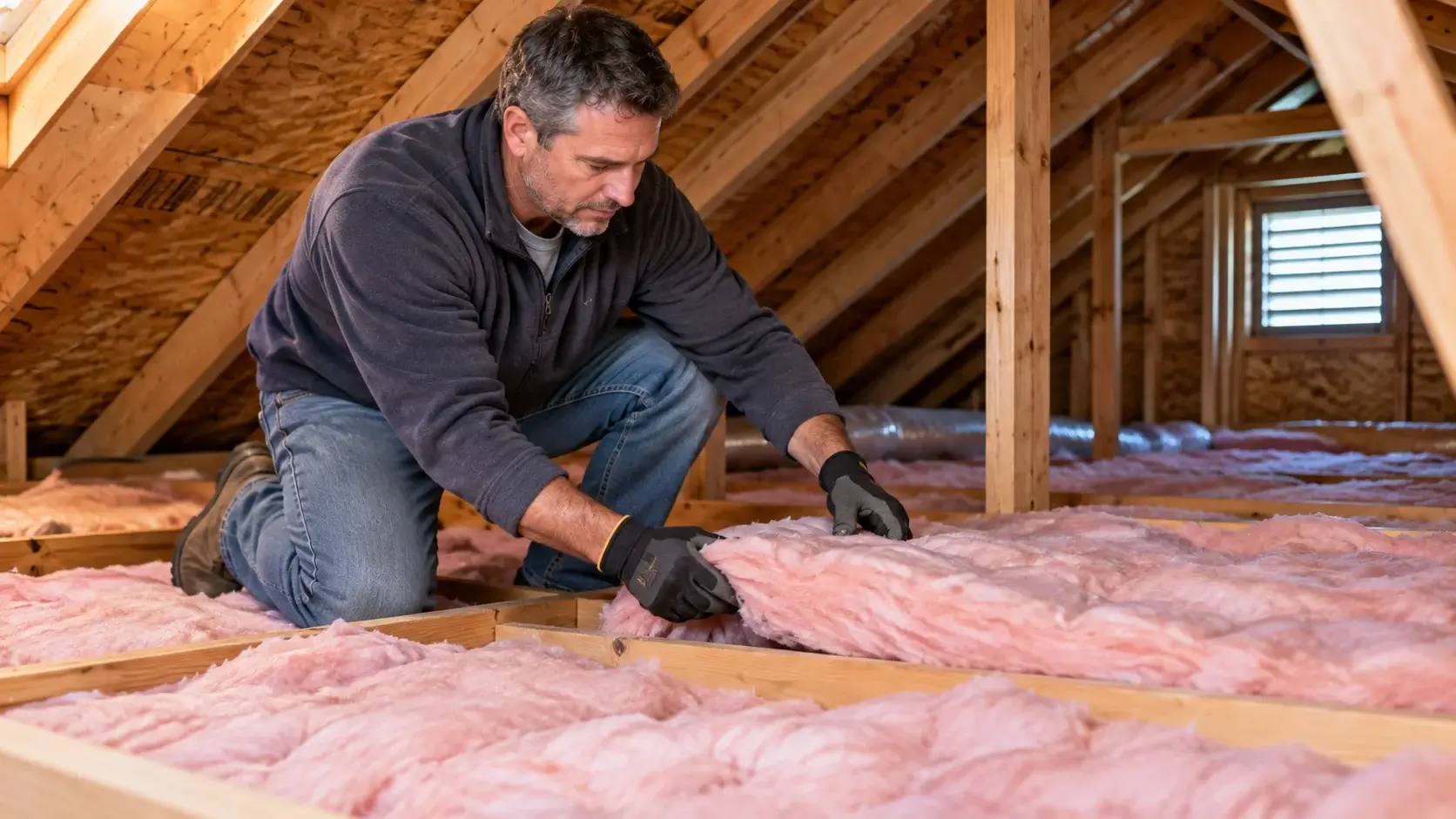
12. Check Your Attic Insulation
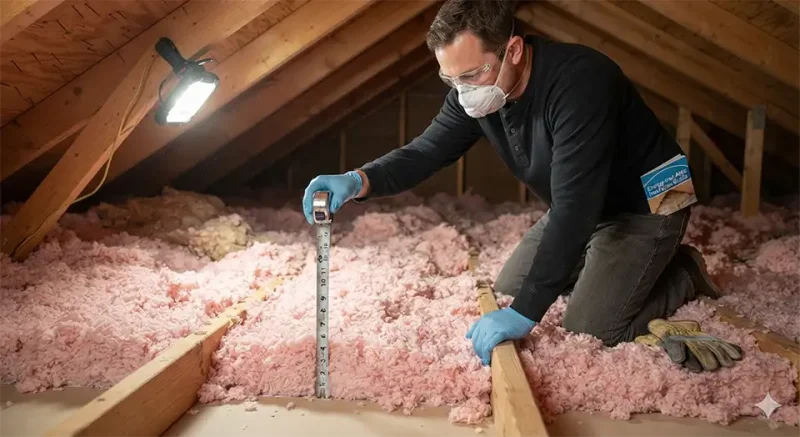
Your attic can reach extremely high temperatures during the summer.
Proper insulation helps prevent that heat from transferring into your living space.
If your upstairs rooms are consistently warmer than the rest of your home, inadequate attic insulation could be part of the problem.
13. Clean Around Your Outdoor Air Conditioner
Leaves, grass clippings, weeds, and debris can restrict airflow around your outdoor condenser unit.
Keep at least two feet of open space around the unit and gently rinse dirt from the fins using a garden hose.
Never use a pressure washer, which can damage delicate fins.
Need an HVAC Professional?
Routine maintenance helps your air conditioner last longer, but if your system struggles to keep up with the heat, professional service may be needed.
Search the HelpHouse Contractor Directory to find qualified HVAC contractors in your area.
14. Switch to LED Light Bulbs
Traditional incandescent bulbs produce much more heat than modern LED bulbs.
Replacing older bulbs with LEDs can:
- Reduce indoor heat
- Lower electricity usage
- Extend bulb life
It’s a small upgrade that benefits your home year-round.
15. Schedule Annual HVAC Maintenance
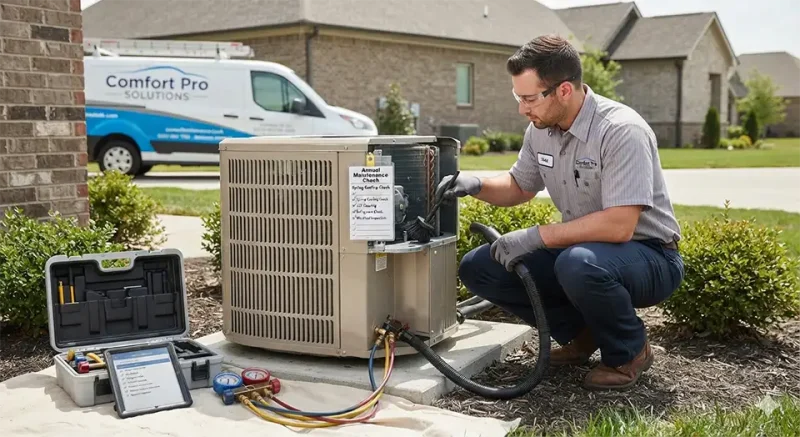
Even if your air conditioner seems to be working well, annual maintenance can improve efficiency and help prevent costly breakdowns.
A professional technician can:
- Inspect refrigerant levels
- Clean system components
- Check electrical connections
- Test system performance
- Identify small problems before they become expensive repairs
Regular maintenance helps keep your system operating at peak performance throughout the summer.
Frequently Asked Questions
What temperature should I set my thermostat during the summer?
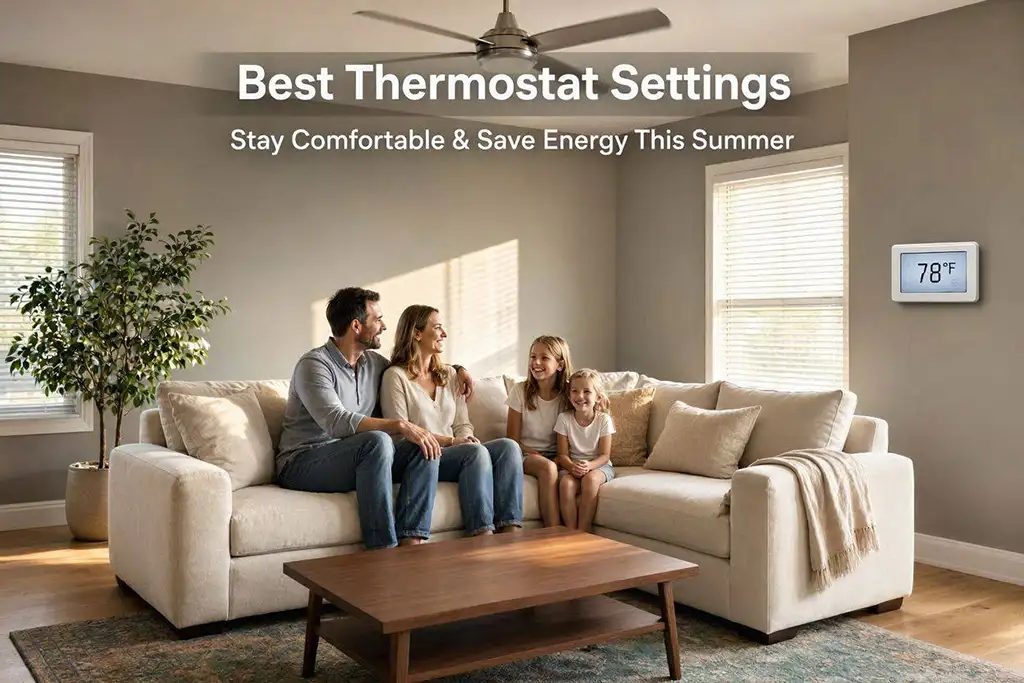
Many energy experts recommend setting your thermostat around 78°F when you’re home and increasing it slightly when you’re away to help reduce energy costs while maintaining comfort.
Why is my upstairs always hotter than downstairs?
Warm air naturally rises. Poor attic insulation, inadequate airflow, blocked vents, or an improperly balanced HVAC system can all contribute to hotter upstairs rooms.
Does closing vents in unused rooms save money?
Not usually. Most modern HVAC systems are designed to distribute air throughout the home. Closing vents can actually reduce system efficiency and increase strain on your equipment.
How often should I replace my HVAC filter?
Most homeowners should replace disposable filters every one to three months, depending on the type of filter, pets, allergies, and system usage.

Final Thoughts for Keeping Your House Cool in the Summer
Keeping your house cool during the summer doesn’t always require lowering the thermostat or paying higher energy bills. Small improvements like replacing air filters, sealing air leaks, using ceiling fans correctly, and reducing indoor heat can make a noticeable difference in both comfort and efficiency.
Many of these projects are simple DIY tasks, while others may require the expertise of a licensed professional.
Need Help With a Summer Home Project?
Whether you’re looking for an HVAC technician, insulation contractor, window installer, electrician, or handyman, the HelpHouse Contractor Directory makes it easy to find trusted professionals for your next home improvement project.
Browse contractor listings, compare services, and connect with experienced local professionals to keep your home comfortable all summer long.
Continue Your Summer Home Maintenance
- HVAC Tips for Homeowners in the Summer
- Summer Home Maintenance Checklist
- ✅ How to Keep Your House Cool Without Lowering the Thermostat
- Why Is My Upstairs Always Hot in the Summer?
- Best Thermostat Settings for Summer
- Summer Energy Saving Tips That Actually Work
Are you a contractor?
Help homeowners find your business by listing your company in the HelpHouse Contractor Directory.