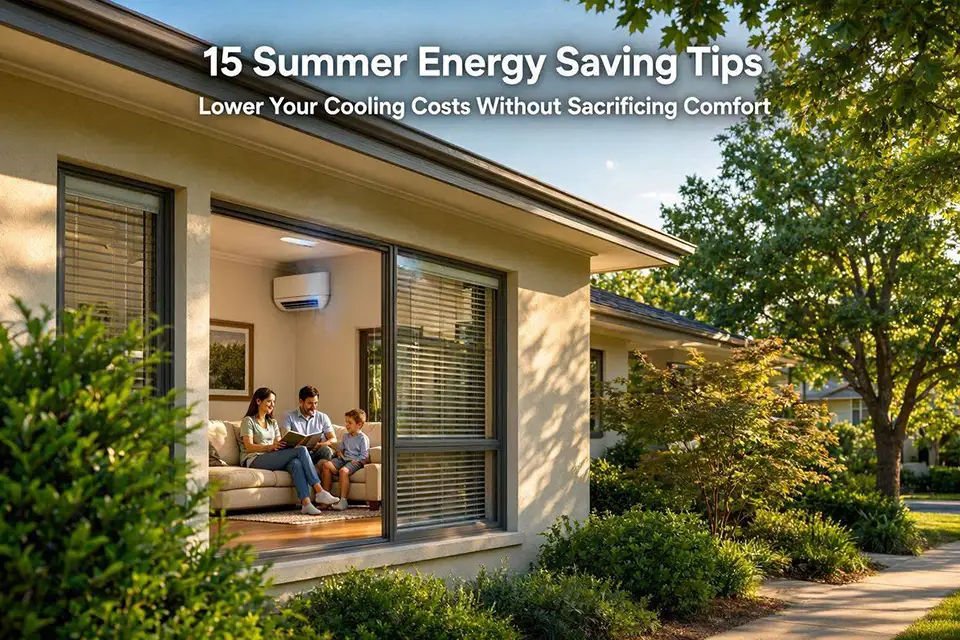
How to Lower Your Cooling Costs Without Sacrificing Comfort
Summer often brings two things homeowners don’t enjoy—hot weather and higher electric bills.
When temperatures rise, so do your energy bills. Your air conditioner works harder to keep your home comfortable, often leading to higher electricity costs during the hottest months of the year. Unfortunately, many homeowners unknowingly waste energy through simple habits that force their HVAC system to work longer than necessary.
The good news is that lowering your cooling costs doesn’t require expensive home renovations or sacrificing comfort. A combination of smart habits, routine maintenance, and a few inexpensive improvements can significantly reduce your monthly energy bill while helping your home stay cooler.
Here are 15 summer energy saving tips that actually work.
1. Set Your Thermostat to an Energy-Efficient Temperature
One of the easiest ways to lower your electric bill is by choosing the right thermostat setting.
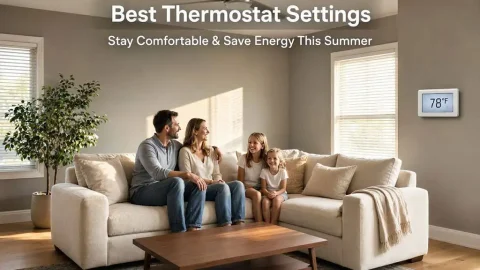
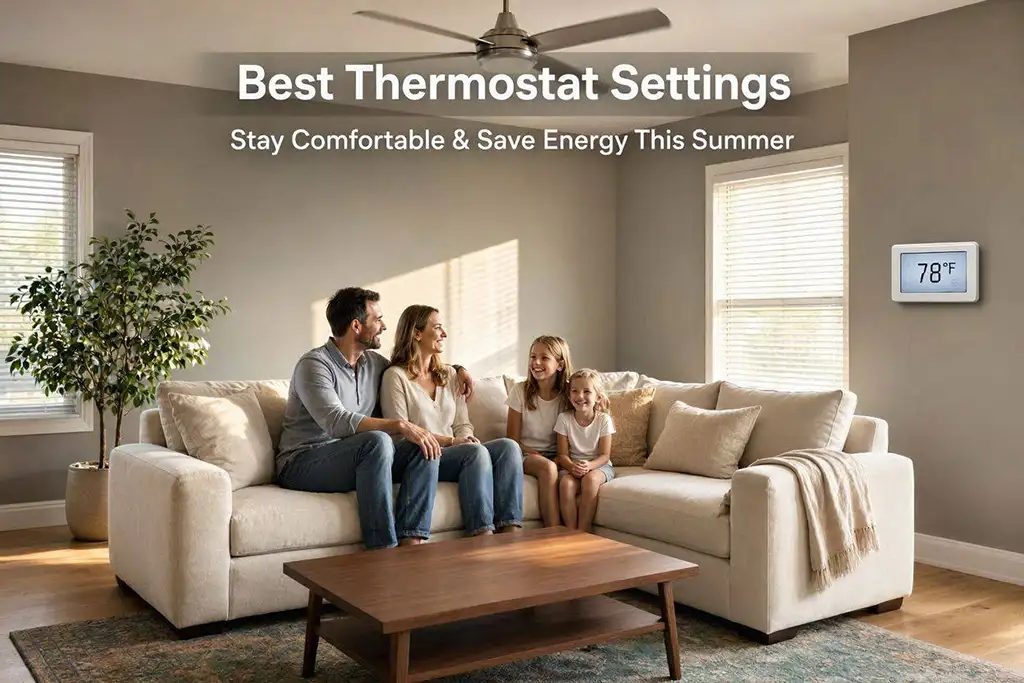
Many energy experts recommend setting your thermostat to around 78°F while you’re home and awake.
If you’ll be away for several hours, increasing the temperature to around 82–85°F can reduce unnecessary cooling while still protecting your home from excessive heat and humidity.
Small adjustments throughout the day can add up to noticeable energy savings over the course of the summer.
Related Reading: Best Thermostat Settings for Summer
2. Replace Your HVAC Air Filter Regularly (Wherever Your System Uses One)
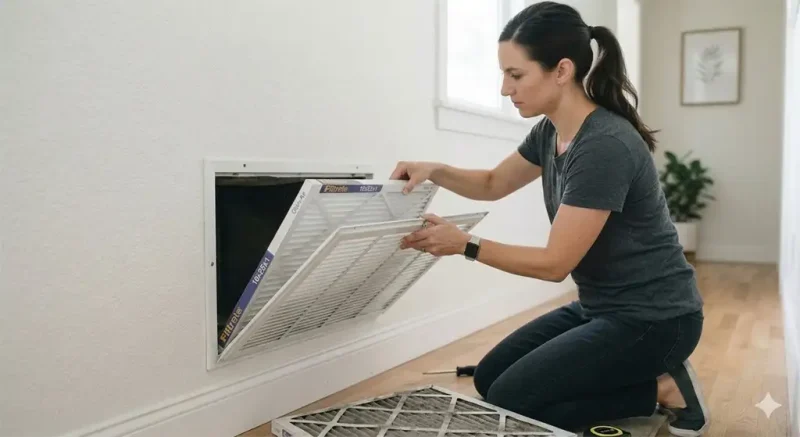
A dirty air filter restricts airflow and forces your air conditioner to work harder.
Regularly replacing your HVAC air filter is the easiest and most cost-effective way to protect your cooling system, lower your energy bills, and improve your home’s air quality.
When a filter becomes clogged with dust, pet dander, and hair, it acts like a wall. This forces the indoor blower fan to work significantly harder to pull air through the system, which spikes your electricity usage and places extreme stress on internal components.
Replacing disposable filters every one to three months helps:
- Improve airflow
- Increase cooling efficiency
- Lower energy consumption
- Improve indoor air quality
- Reduce strain on your HVAC system
It’s one of the simplest and most affordable maintenance tasks every homeowner should perform.
Depending on your home’s HVAC system, the air filter may be located behind a return air grille or inside the indoor air handler near the furnace or air conditioning equipment. Both types should be inspected regularly and replaced according to the manufacturer’s recommendations.
Routine maintenance helps your cooling system operate efficiently throughout the summer.
Need HVAC Maintenance?
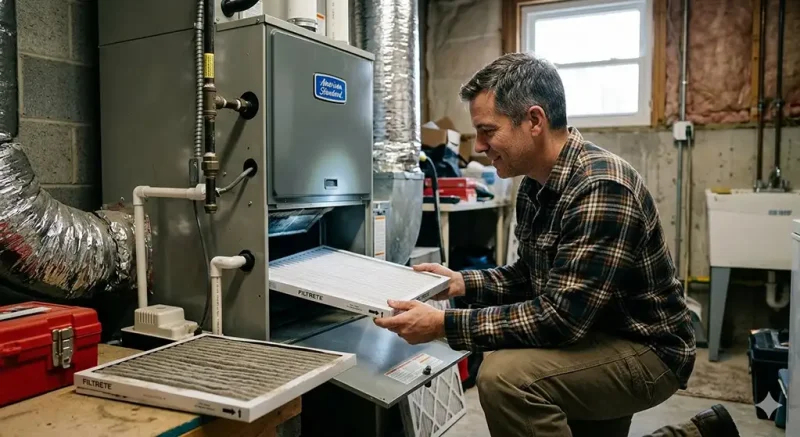
Browse trusted HVAC contractors in the HelpHouse Contractor Directory to find experienced professionals in your area.
3. Keep Blinds and Curtains Closed During the Day
Direct sunlight entering through windows can dramatically increase indoor temperatures.
During the hottest part of the day:
- Close blinds
- Close curtains
- Use blackout curtains where needed
- Keep south- and west-facing windows shaded
Reducing solar heat gain helps your air conditioner cool your home more efficiently.
4. Use Ceiling Fans Correctly
Ceiling fans don’t actually lower room temperature—they help people feel cooler.
During the summer, ceiling fans should rotate counterclockwise, pushing cool air downward.
Many homeowners find they can raise their thermostat by a few degrees while maintaining the same level of comfort.
Remember to turn fans off when rooms are unoccupied since fans cool people, not empty spaces.
5. Seal Air Leaks Around Doors and Windows
Even small gaps around windows and doors allow cooled air to escape while letting hot outdoor air inside.
Inspect:
- Window frames
- Door weatherstripping
- Exterior caulking
- Attic access doors
Proper sealing improves comfort while reducing the workload on your air conditioner.
6. Avoid Using Heat-Producing Appliances During Peak Hours
Many household appliances generate significant heat.
Whenever possible, avoid using:
- The oven
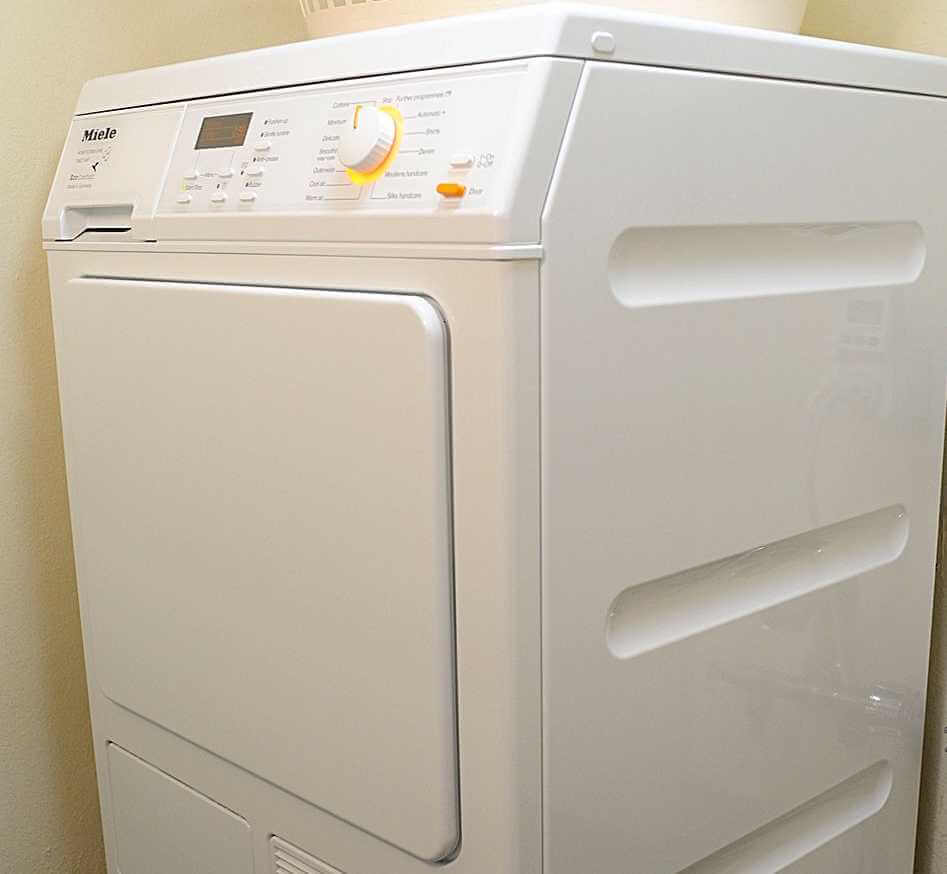
- Clothes dryer
- Dishwasher
- Hair dryers
- Space heaters (if applicable)
Instead, use these appliances during the evening when outdoor temperatures begin to cool.
Your air conditioner won’t have to remove the extra heat generated inside your home.
7. Keep Your Outdoor Air Conditioner Clean
Your outdoor condenser needs adequate airflow to operate efficiently.
Regularly remove:
- Leaves
- Grass clippings
- Weeds
- Branches
- Dirt buildup
Maintain at least two feet of open space around the unit.
If the exterior becomes dirty, gently rinse the fins with a garden hose.
Never use a pressure washer, which can damage delicate cooling fins.
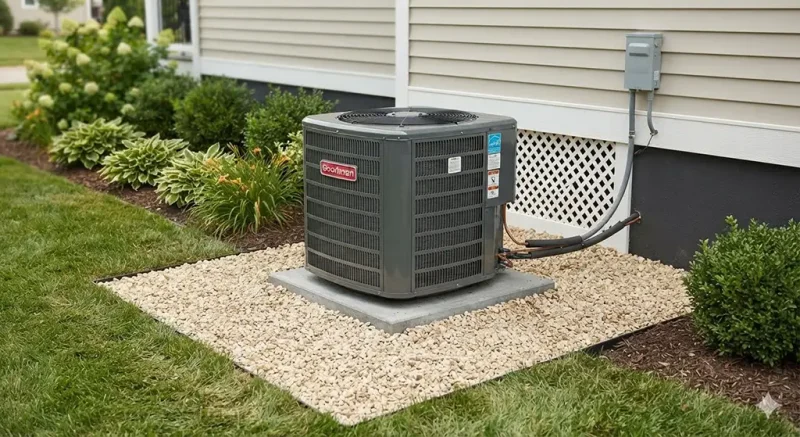
A clean outdoor condenser is vital for maintaining peak air conditioner efficiency, lowering energy bills, and extending your system’s overall lifespan. When dirt, grass clippings, leaves, and cottonwood clog the exterior condenser coils, the unit cannot effectively release the heat extracted from inside your home. This forces the compressor to run longer and work harder, which drastically increases power consumption and can trigger premature system failure during intense summer heatwaves.
How to Clean Your Outdoor Condenser Unit
Regularly servicing your outdoor equipment ensures it has the necessary “room to breathe” to transfer heat effectively.
- Cut the Power: Safety is paramount. Switch off the dedicated electrical disconnect box located near the outdoor unit, or turn off the air conditioner’s breaker at your main electrical panel.
- Clear the Perimeter: Maintain a minimum of two feet of clear space around the entire condenser unit. Cut back weeds, trim overgrown bushes, and remove accumulated leaves or twigs.
- Remove Loose Debris: Take off the outer protective caging if necessary. Hand-pick or vacuum out any large collections of leaves, grass, or debris trapped inside the base of the unit.
- Apply Coil Cleaner (Optional): For heavy grime, spray a specialized commercial foaming coil cleaner evenly across the exterior metal fins. Let it sit according to the product instructions to break down caked-on dirt.
- Gently Rinse the Coils: Use a standard garden hose equipped with a low-pressure spray nozzle. Spray from the inside out to wash the dirt backward and out of the fins. Avoid high-pressure pressure washers, which instantly bend and ruin the delicate aluminum fins.
- Straighten Bent Fins: Inspect the exterior grill. If you notice areas where the thin aluminum strips are crushed or flattened, gently restore their shape using a specialized plastic fin comb tool to maximize necessary airflow.
- Restore Power: Allow the unit to dry briefly, reinstall any protective casing panels, and plug the outdoor disconnect switch back into place
Improve Your Home’s Energy Efficiency
If your home still struggles to stay cool despite these improvements, upgrading insulation, sealing ductwork, or improving attic ventilation may provide significant energy savings.
Signs Your Condenser Needs Immediate Cleaning:
- Skyrocketing utility bills despite normal usage patterns.
- Continuous running or long cooling cycles where the system struggles to hit your thermostat setting.
- Warm or lukewarm air actively blowing out of your indoor registers.
- Short-cycling, which occurs when the system frequently cuts on and off due to internal overheating.
keep your air conditioning running efficiently all summer, find trusted insulation contractors, HVAC professionals, and home improvement specialists in the HelpHouse Contractor Directory.
Find HVAC Contractors Near Me




8. Reduce Indoor Humidity
Humidity often makes your home feel warmer than the thermostat indicates.
Reducing indoor humidity can improve comfort while allowing higher thermostat settings.
Simple ways to lower humidity include:
- Running bathroom exhaust fans after showers
- Using kitchen exhaust fans while cooking
- Repairing plumbing leaks
- Using a dehumidifier if necessary
Lower humidity often means lower cooling costs
9. Upgrade to LED Light Bulbs
Traditional incandescent light bulbs generate much more heat than modern LED bulbs.
While the difference may seem small, every heat-producing light inside your home adds to your air conditioner’s workload.
LED bulbs offer several advantages:
- Use significantly less electricity
- Produce far less heat
- Last much longer than incandescent bulbs
- Reduce cooling costs during the summer
Replacing frequently used bulbs is an inexpensive upgrade that saves energy year-round.
10. Cook Outdoors More Often
Summer is the perfect time to enjoy outdoor cooking.
Using your oven or stovetop can quickly heat your kitchen, forcing your air conditioner to work even harder.
Whenever possible, consider:
- Grilling outdoors
- Using a smoker
- Preparing meals on a patio
- Cooking during the cooler evening hours
You’ll keep unwanted heat outside while reducing indoor cooling demands.
11. Schedule Annual HVAC Maintenance
Just like your vehicle, your air conditioner performs best with routine maintenance.
A professional HVAC inspection typically includes:
- Checking refrigerant levels
- Cleaning system components
- Inspecting electrical connections
- Testing airflow
- Identifying worn parts before they fail
A well-maintained system uses less energy and is less likely to break down during the hottest days of summer.
Need an HVAC Professional?
Regular maintenance can improve efficiency, extend the life of your air conditioner, and help prevent expensive emergency repairs.
Browse trusted HVAC contractors in the HelpHouse Contractor Directory to schedule seasonal maintenance.
12. Don’t Block Supply Vents
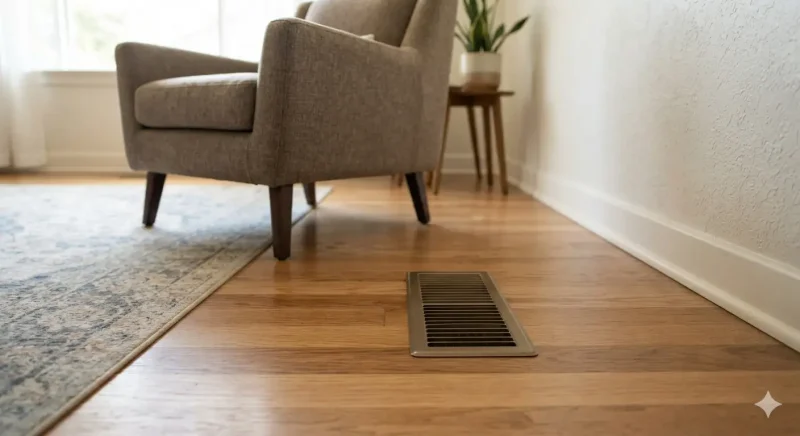
Your HVAC system is designed to circulate conditioned air throughout your home.
Blocked supply vents reduce airflow and force your air conditioner to work harder.
Walk through your home and make sure vents aren’t covered by:
- Furniture
- Curtains
- Area rugs
- Storage boxes
Good airflow helps maintain even temperatures and improves overall efficiency.
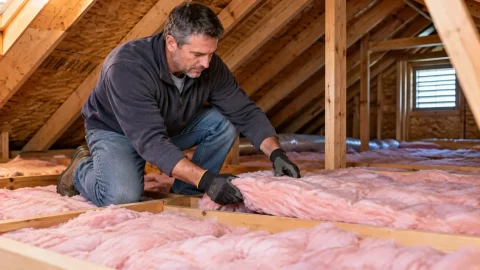
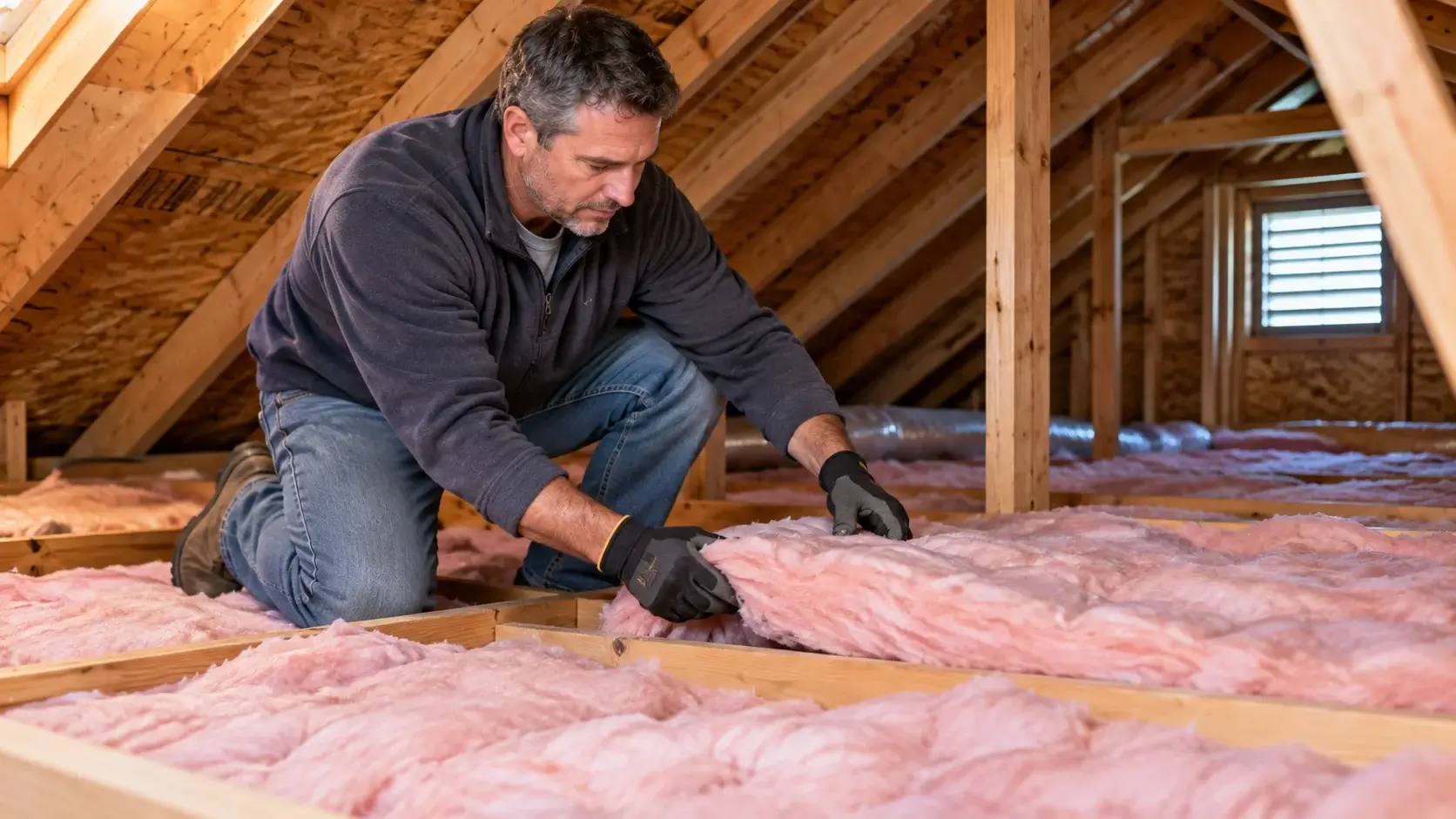
13. Improve Attic Insulation
Many homeowners overlook one of the largest sources of unwanted summer heat—the attic.
Poor insulation allows heat to transfer into your living space throughout the day.
If your upstairs is consistently warmer than downstairs, improving attic insulation and ventilation may significantly improve comfort while lowering cooling costs.
Proper attic insulation benefits your home during both summer and winter.
14. Use a Programmable or Smart Thermostat
Programmable thermostats automatically adjust temperatures based on your schedule.
For example:
- Increase the temperature while you’re at work.
- Begin cooling shortly before you return home.
- Maintain comfortable sleeping temperatures overnight.
Smart thermostats take this even further by learning your habits and allowing adjustments from your smartphone.
Over time, they can reduce unnecessary energy use while maintaining comfort.
15. Plant Trees for Natural Shade
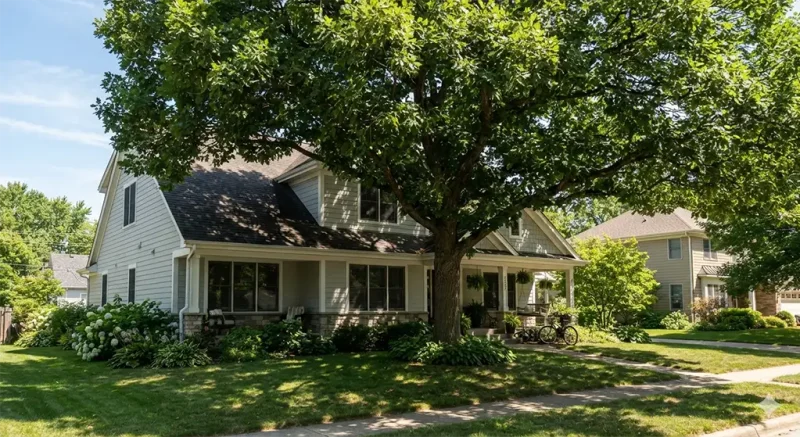
Landscaping isn’t just about curb appeal.
Properly placed shade trees can help reduce the amount of direct sunlight reaching your home during the hottest parts of the day.
Trees planted near west- and south-facing windows may help:
- Reduce indoor temperatures
- Lower cooling costs
- Improve outdoor comfort
- Increase property value
It’s one of the few home improvements that becomes more effective as the years pass.
Common Summer Energy Mistakes
Many homeowners unknowingly waste energy through simple habits.
Avoid these common mistakes:
Setting the Thermostat Too Low
Lower temperatures don’t cool your house faster—they simply make your air conditioner run longer.
Ignoring Dirty Air Filters
Restricted airflow forces your HVAC system to work harder while reducing cooling performance.
Leaving Blinds Open All Day
Direct sunlight quickly raises indoor temperatures.
Forgetting About Attic Heat
A poorly insulated attic can make your air conditioner fight an uphill battle every afternoon.
Skipping Annual HVAC Maintenance
Routine maintenance often prevents small issues from becoming costly repairs.


Frequently Asked Questions
For many homes, the air conditioning system is the largest consumer of electricity during the summer months, especially during extended periods of hot weather.
Yes.
Increasing your thermostat by just a few degrees can noticeably reduce the amount of time your air conditioner operates, lowering energy consumption.
Most homeowners benefit from using a programmable or smart thermostat that automatically adjusts temperatures while the home is unoccupied.
Yes.
Although ceiling fans use electricity, they consume far less energy than an air conditioner and can help you feel comfortable at slightly higher thermostat settings.
Most filters should be replaced every one to three months, depending on the filter type, pets, allergies, and how often your system runs.
Final Thoughts on our Summer Energy Saving Tips That Actually Work
Reducing your summer energy bill doesn’t require sacrificing comfort or investing in expensive home improvements. Simple habits like replacing HVAC filters, using ceiling fans correctly, sealing air leaks, and choosing efficient thermostat settings can significantly reduce cooling costs while helping your home stay comfortable throughout the hottest months of the year.
Many of these improvements are easy DIY projects, while others—such as insulation upgrades, HVAC maintenance, or ductwork repairs—may require professional assistance.
Taking a proactive approach now can help lower your energy bills, reduce wear on your cooling system, and keep your home comfortable all summer long.
Need Help Improving Your Home’s Energy Efficiency?
Whether you’re looking for an HVAC contractor, insulation specialist, electrician, window installer, or handyman, the HelpHouse Contractor Directory makes it easy to find trusted local professionals for your next home improvement project.
Browse contractor listings, compare services, and connect with experienced contractors who can help improve your home’s comfort and reduce energy costs.
Continue Your Summer Home Maintenance
Continue learning with these related HelpHouse guides:
- HVAC Tips for Homeowners in the Summer
- Summer Home Maintenance Checklist: 25 Essential Tasks Every Homeowner Should Complete
- How to Keep Your House Cool Without Lowering the Thermostat
- Why Is My Upstairs Always Hot in the Summer?
- Best Thermostat Settings for Summer
Are you a contractor?
Help homeowners find your business by listing your company in the HelpHouse Contractor Directory.