Saving a little money here and there can add up to a lot of money over the year, cash that you should be spending on more worthwhile things, or even saving. Check around your home and see if any of these 5 things are taking away too much of your hard earned money.
Fix Water Leaks
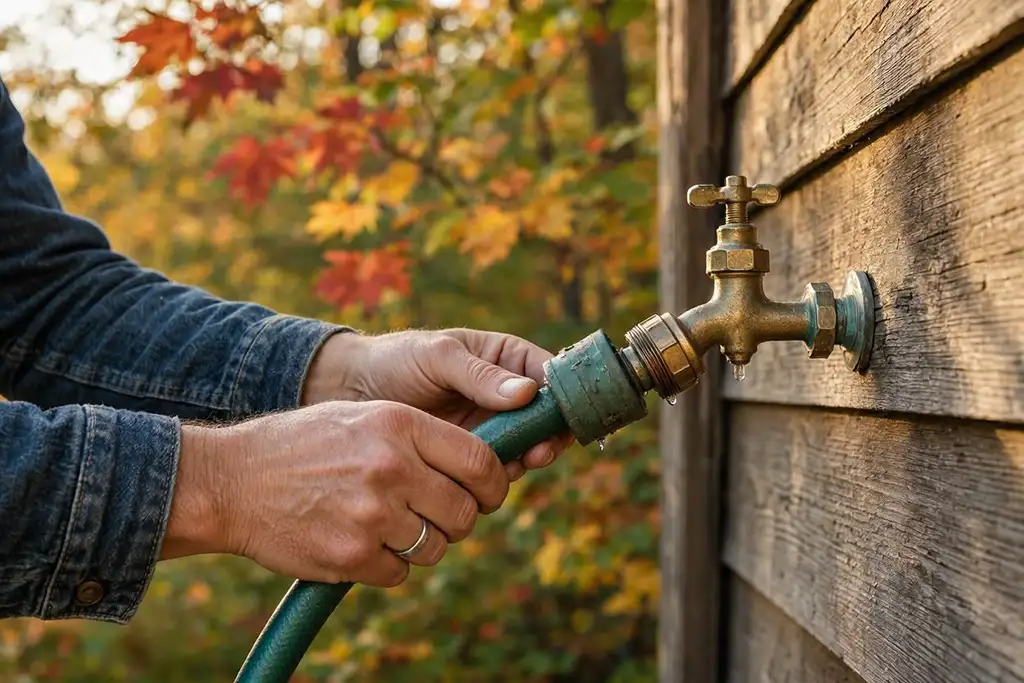
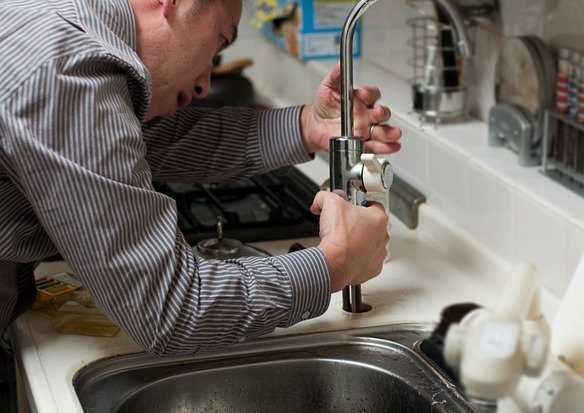
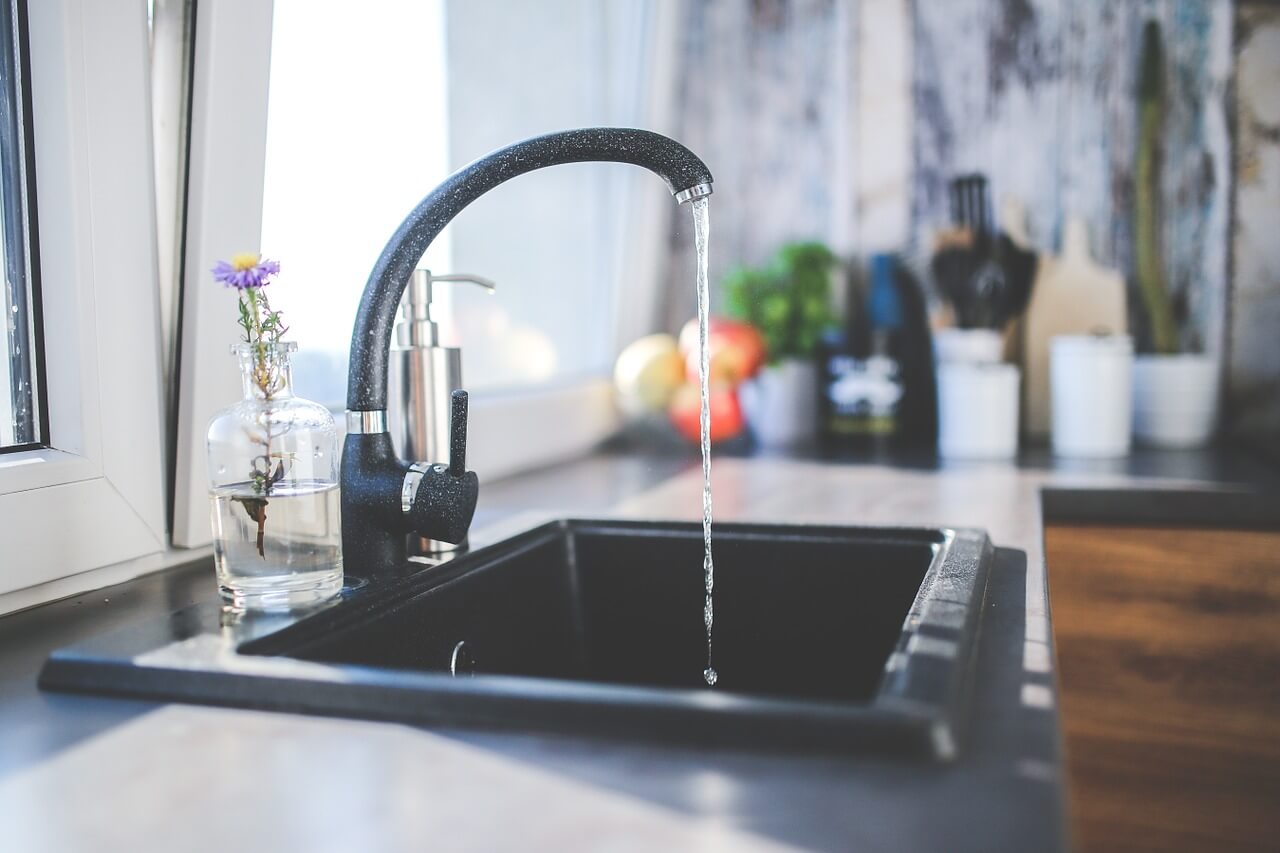
Along with keeping you up all night, a dripping faucet or leaking toilet in your home will also cost you in more painful ways, like in your wallet. If your bathroom faucet drips at just 10 drops a minute, you’re wasting over 300 gallons of water a year. Even if this isn’t a lot of money to you, you should fix it. If not for any other reason, you can fix it to help save our planet.
More expensively, the average running toilet wastes approximately 200 gallons of water every day, or around 6,000 gallons a month, and that could cost you hundreds of dollars over the year depending on how fast the toilet leaks.
Replacing the toilet tank “guts”, or just the rubber flapper valve, is a basic do-it-yourself toilet leak repair and only costs around $20, versus hiring a professional plumber. The instructions on most DIY kits, like the Korky brand toilet repair kit, are so simple to follow that even a novice should be able to fix a toilet leak in under an hour.
Check out this drip calculator from from the USGS to see how much money you could be wasting from leaking faucets in your home.
Find Professional Plumbers Near Me

Program Your Thermostat, or Buy A Smarter One
According to the U.S. Department of Energy, you can save up to 10% a year on your heating and cooling costs simply by adjusting your thermostat to 7-10 degrees from your normal temperature settings for eight hours each day.
If you don’t have a smart thermostat, program yours to heat or cool the house to the temperature you want before you get home, but consider buying a smart thermostat. You can operate a smart thermostat from your smartphone when you are away from home, and some smart thermostats can even sense when people are in room, some will even learn your temperature preferences.
Unplug Electricity Leeches
You may not realize how many household devices that are left plugged in are silently sapping your electricity all day and night long, even when they’re not in use. These energy leaches are also called “wall warts” and “bricks”:
A wall wart is a power adapter that contains the plug for a wall outlet, called a “wart” because it also covers up the socket next to it making it unusable. A “brick” is that large black box attached to a power plug, typically found on television and computer electric cords. Part of the external power supply, a power brick converts AC power to lower-voltage DC to protect the circuits, and provides power for the computer to charge its battery.
To help save money on your monthly electric bill, unplug second or third TV’s that aren’t in use, and check all your household outlets for things seldom used, like DVD players, gaming consoles, stereo/CD players, etc. and unplug them when not in use.
To get a better idea on how much money you can save by unplugging these Energy Leeches, power company giant Duke Energy has a Energy Vampire Calculator to help you visualize how much you can save every year by simply unplugging these..?
Find Electricians Near Me



Don't Cover Your Air Vents
Make sure all of your home’s heating and cooling air vents are not being blocked, by anything. Common culprits that you might not realize are blocking air flow are throw rugs and runners, blankets and throws for your sofa, and even furniture that is too close to the vents, restricting air flow to the room. A room with a clogged air ducts won’t be able to reach the temperature you’ve set your thermostat to, and your HVAC system work twice as hard to warm or cool your home properly, resulting in hire energy bills and a shorter life cycle of your system.
You should also routinely clean your air vents. To clean your home’s air vents, first turn off the power connected to your heating and air conditioning system, unscrew and remove the grills and air duct covers and clean them with a cleaning brush, using soap and water if they’re very dirty. Vacuum inside the ducts as much as possible, using a heavy duty shop vacuum or at least the wand attachments from your household vacuum, or hire a professional. If you can’t reach the ceiling vents with the vacuum, use your broom to to sweep the dust away, just be sure to protect yourself and other items from the falling dust.
If your fridge is a newer model and doesn’t have any of the above ways to turn off your ice maker, consult the appliance’s owner’s manual.
Find HVAC Technicians Near Me



Use Ice Cube Trays
Making ice increases your refrigerator’s energy use by 12 to 20 percent, so unless you really use a lot of ice, consider turning off your refrigerator’s built-in ice maker off. To turn off your refrigerator’s ice maker look for a switch on the front of it. If you see one turn it to the “off” position. If there is an on/off slide switch instead, turn it off by sliding the switch so the paddle is under the icemaker. If your ice make doesn’t have an on/off switch or a slide switch, look for a metal bar (called the fill bar) on the side of the ice maker and lift or adjust it to the up position to turn off. You might hear a click when it is locked into position.
While you’re at it, check your refrigerator and freezer’s temperature settings. Odds are good they are set lower than they have to be. You can increase your refrigerator temperature to 37 degrees Fahrenheit and your freezer temperature setting at 0 degrees Fahrenheit. These settings will keep your food fresh while saving on your energy consumption.
Look around your home and see what else you can find to cut down on costs and energy usage. Remember, taking small steps now to cut unnecessary expenses can add up to big savings later.