When the first truly cold night arrives, the last thing you want to discover is that your furnace won’t turn on, isn’t heating your home properly, or starts making strange noises after sitting mostly unused for months.
That’s why fall is the best time to prepare your furnace for winter. A few simple checks can help you catch problems before you need your heating system every day, while professional maintenance can identify issues that aren’t obvious to the average homeowner.
Preparing your furnace doesn’t necessarily mean taking it apart or performing complicated repairs. There are several things homeowners can safely check themselves, including the thermostat, air filter, vents, surrounding area, and visible signs of trouble. More technical work involving gas, oil, electrical components, burners, combustion, or heat exchangers should be left to a qualified heating professional.
ENERGY STAR recommends having heating systems checked before the heating season begins, and notes that fall is a good time to schedule heating-system maintenance before contractors become busy with winter service calls.
When should you prepare your furnace for winter?
The best time to prepare your furnace is before you actually need it.
For many homeowners, early to mid-fall is ideal. You don’t necessarily have to turn the furnace on as soon as temperatures begin dropping, but you should make sure the system is ready before the first extended stretch of cold weather.
Preparing early gives you time to schedule a repair or maintenance visit if you discover a problem. It also helps avoid the situation where your furnace stops working during the first major cold snap, when heating contractors may already be dealing with a large number of emergency calls.
Here are the most important things to check.
1. Turn on the thermostat and test the heating system
If your furnace hasn’t been used for several months, test it before cold weather arrives.
Set your thermostat to Heat and raise the temperature several degrees above the current indoor temperature. Give the system enough time to start its normal heating cycle.
Pay attention to what happens when the furnace starts.
Does it turn on normally? Does warm air eventually come from the supply vents? Does it shut off normally after reaching the thermostat setting?
You should also listen for anything unusual.
A brief startup sound is normal, but loud banging, grinding, squealing, repeated clicking, unusual vibration, or other noises that weren’t present before may indicate a problem that should be investigated.
Don’t wait until the coldest night of the year to discover that your furnace isn’t working properly.
2. Check or replace the furnace filter
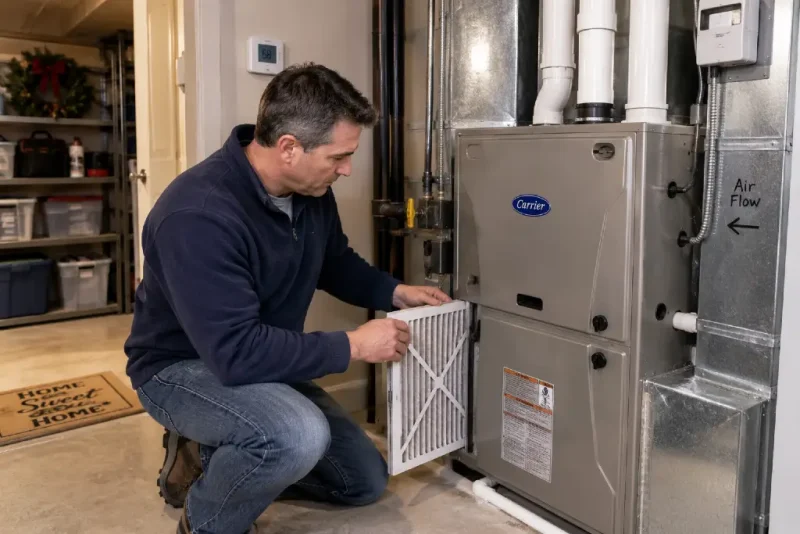
Your furnace filter is one of the simplest parts of the heating system for a homeowner to check, and it can have a significant effect on airflow.
A dirty filter restricts airflow and can make the heating system work harder. ENERGY STAR recommends checking HVAC filters monthly during periods of heavy use and replacing them when they are dirty; the appropriate replacement interval also depends on the type of filter and your particular system.
Before replacing a filter, check the size printed on the existing filter and make sure the replacement is compatible with your system. Pay attention to the airflow arrow and install the filter in the correct direction.
Don’t automatically assume that a more restrictive filter is better. Your HVAC system is designed for a particular amount of airflow, so follow the manufacturer’s recommendations.
HelpHouse tip: We have a separate guide that goes into greater detail about filter replacement:
How Often Should You Replace Your Home’s Air Filters?
3. Make sure supply and return vents are clear
Walk through the house and check the heating vents.
Depending on your home’s design, supply vents may be located in the floor, walls, or ceilings. Make sure furniture, rugs, curtains, boxes, or other objects aren’t blocking them.
Also check your return-air grilles. Returns need to be able to pull air back into the heating system.
Blocking either supply or return airflow can affect how effectively your system heats the house.
If one room consistently stays much colder than the rest of the house, don’t automatically assume the furnace itself is failing. The problem could involve airflow, ductwork, insulation, windows, doors, zoning, or the balance of the system.
4. Check the thermostat
Your thermostat controls when the furnace turns on and off, so make sure it is working properly before winter.
Check that:
- The thermostat is set to Heat
- The desired temperature is appropriate
- The display is working correctly
- Batteries are replaced if your thermostat uses them
- The thermostat isn’t blocked by furniture, curtains, or another heat source
- Programmable schedules are set correctly
If you have a smart thermostat, check the schedule before the heating season begins. A forgotten summer schedule can result in an uncomfortable surprise when temperatures suddenly drop.
If the thermostat says the heat is running but the furnace doesn’t respond, there may be a problem with the thermostat, furnace, electrical system, or another component.
5. Inspect the area around the furnace
Take a look at the area immediately surrounding the furnace.
Keep boxes, clothing, cleaning supplies, paper, paint, chemicals, and other combustible materials away from the heating equipment. The furnace should have the clearance required by the manufacturer.
This is also a good time to remove accumulated dust, leaves, pet hair, and other debris from the general area.
However, don’t start disassembling the furnace or attempting to clean internal components unless you know exactly what you’re doing and the manufacturer’s instructions specifically allow it.
Fuel-burning appliances involve combustion, gas or oil, electrical components, and venting. Improper servicing can create serious safety hazards.
6. Check visible vents and exhaust pipes
If your furnace uses fuel such as natural gas or oil, make sure the associated exhaust and intake areas are not blocked.
Outside, look for leaves, branches, nests, snow, ice, or other debris that could interfere with an appliance vent.
This becomes especially important after winter weather arrives. Snow should not be allowed to block outside vents for fuel-burning heating equipment. The Consumer Product Safety Commission warns that blocked or defective venting can contribute to carbon monoxide poisoning.
Never modify, cover, or disconnect furnace venting yourself.
If you notice a damaged, loose, corroded, or questionable vent pipe, have it inspected by a qualified professional.
7. Pay attention to unusual furnace odors
A furnace may produce a temporary dusty smell when it is first turned on after sitting unused for a while. That’s not necessarily a sign of a serious problem.
However, a persistent or unusual odor should not be ignored.
If you smell gas, leave the area and follow the appropriate emergency procedures for your utility and local emergency services. Do not attempt to locate or repair a gas leak yourself.
Likewise, burning smells, strong electrical odors, or other unusual smells that continue after startup deserve professional attention.
When it comes to heating equipment, it’s better to investigate a questionable smell than assume it’s normal.
8. Watch for short cycling
Pay attention to how long your furnace runs.
A furnace normally cycles on and off as needed to maintain the temperature set on the thermostat. But if it repeatedly starts and stops after only a short period, it may be short cycling.
Short cycling can have several possible causes, including airflow problems, thermostat issues, an oversized system, overheating, or mechanical problems.
A dirty filter is one possible contributor, which is another reason to check the filter before heating season begins.
If replacing a dirty filter doesn’t resolve the problem, don’t keep guessing. Have the system evaluated by a qualified heating professional.
9. Check for uneven heating throughout the house
When you test the furnace, walk through the house and see whether different rooms are heating normally.
A small difference between rooms isn’t necessarily unusual, particularly in larger or older homes. But a room that is consistently much colder than the rest of the house could indicate a problem worth investigating.
Possible causes include:
- Blocked or closed supply vents
- Poor airflow
- Ductwork problems
- Inadequate insulation
- Drafty windows or doors
- Poor air sealing
- Thermostat location
- An improperly balanced system
- Problems with zoning equipment
Don’t immediately assume you need a new furnace simply because one room is cold.
Sometimes the solution has more to do with the home’s insulation, ductwork, or air leaks than the furnace itself.
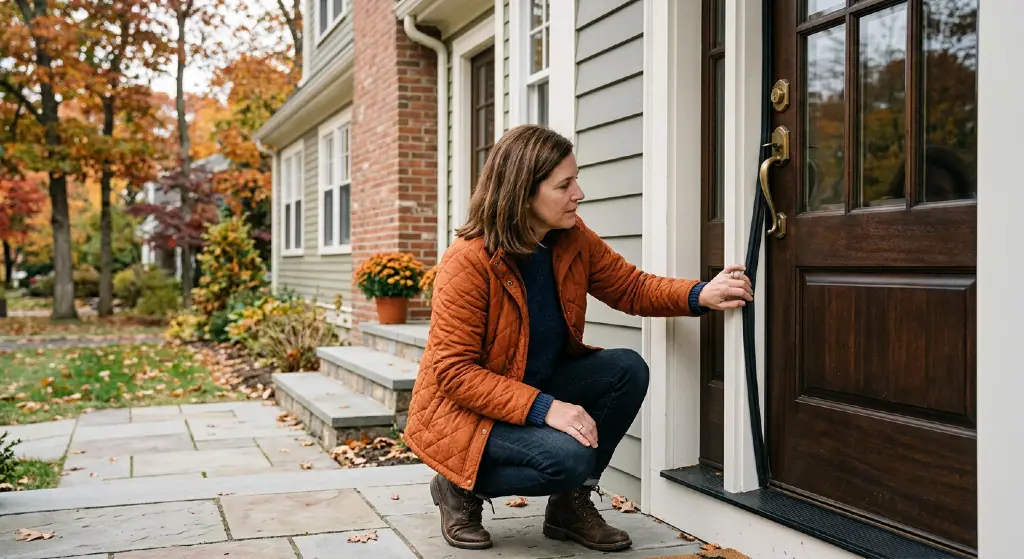
For example, our guide on How to Seal Drafty Windows and Doors Before Winter can help homeowners address common sources of heat loss around the building envelope.
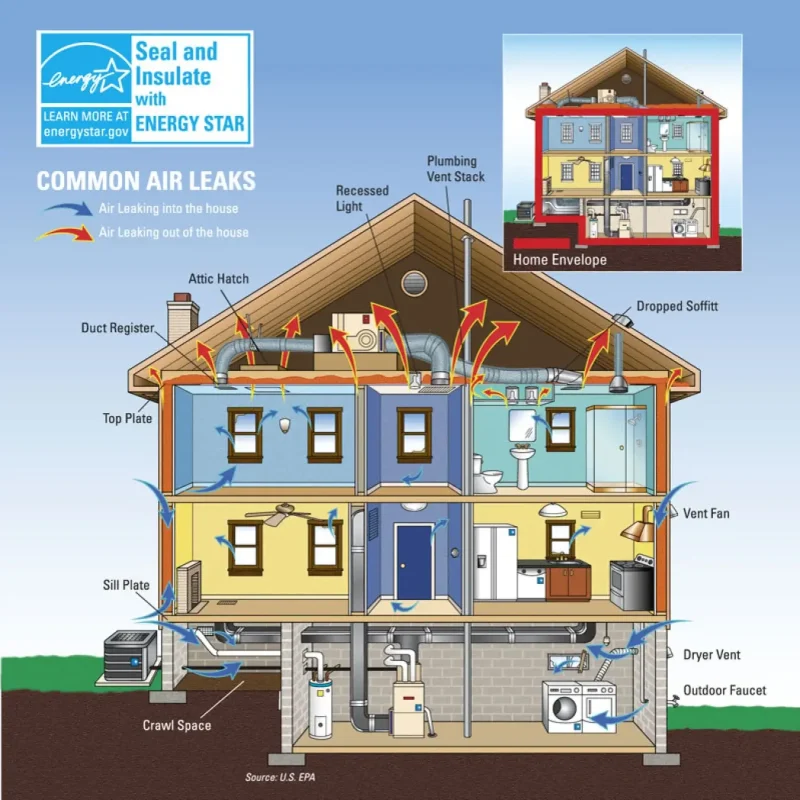
🛠️ Official US Energy Guide & Air-Sealing Solutions
To balance the temperatures across your home’s layout, the federal Energy Saver Program recommends addressing three tiers:
- Air Sealing: Seal the hidden gaps between your living spaces and the attic using caulk and spray foam.
- Duct Optimization: Check your registers to ensure they aren’t blocked by furniture. You can also review the Energy.gov Duct Sealing Guide to see how insulation wraps protect long duct runs.
- Smart Zoning: Consider utilizing smart thermostats with remote room sensors or introducing mini-split systems to control troublesome zones independently.
10. Schedule professional furnace maintenance
One of the most important steps in preparing a furnace for winter is having it professionally inspected and serviced.
ENERGY STAR recommends annual pre-season heating-system checkups and specifically recommends scheduling heating maintenance in the fall. A professional maintenance visit can include checks that aren’t appropriate for most homeowners to perform themselves, including electrical connections, controls, starting cycles, and heating-specific components.
For fuel-burning heating equipment, professional inspection is especially important.
The Consumer Product Safety Commission recommends annual professional inspection of fuel-burning heating systems and associated venting because improperly maintained or blocked systems can contribute to carbon monoxide hazards.
What does furnace maintenance include?
The exact service depends on the type of furnace and the contractor, but a professional may inspect and test components such as:
- Thermostat operation
- Electrical connections
- Safety controls
- Burners
- Gas or oil connections
- Combustion
- Heat exchanger
- Blower components
- Starting and shutdown cycles
- Venting
- Flue connections
- Airflow
- Other system-specific components
The technician should also identify worn or failing components before they become a major problem.
Need a professional to service your furnace before winter? Find a Heating and Cooling Contractor near you on HelpHouse.
11. Test your carbon monoxide alarms

If your home has a fuel-burning furnace, winter is an especially important time to make sure your carbon monoxide alarms are working properly.
Carbon monoxide is colorless and odorless, which means you cannot rely on your senses to detect it. Fuel-burning appliances, including furnaces, can produce CO if they malfunction or if their venting is defective or blocked.
The CPSC recommends CO alarms on every level of the home and outside sleeping areas, with battery backup or battery operation as appropriate. It also recommends testing alarms regularly.
Test your alarms according to the manufacturer’s instructions and replace batteries when required.
If a carbon monoxide alarm sounds, do not ignore it or attempt to diagnose the source yourself. Get outside to fresh air and contact emergency services as appropriate. The CPSC specifically advises against reentering a home until emergency responders have determined that it is safe.
12. Don’t ignore strange furnace noises
You know what your furnace normally sounds like.
That makes you one of the best people to notice when something changes.
Pay attention to sounds such as:
- Loud banging
- Grinding
- Persistent squealing
- Repeated clicking
- Rattling
- Excessive vibration
- Unusual humming
- Repeated ignition attempts
Not every unusual sound means the furnace is about to fail, but new or persistent noises should be investigated.
It’s generally easier and less expensive to address a developing mechanical problem during the fall than to wait until the furnace stops working during a freezing winter night.
13. Check the age and condition of your furnace
If your furnace is older, fall is also a good time to consider whether you’re better off repairing it or replacing it.
You don’t necessarily need to replace a furnace simply because it has reached a certain age. A well-maintained system may continue operating effectively for years.
However, frequent repairs, rising energy costs, declining performance, difficulty finding replacement parts, or a major component failure can change the equation.
If your technician says the furnace needs a major repair, ask about the expected remaining service life of the system and how the repair compares with replacement.
Getting that information before the furnace completely fails gives you more time to make an informed decision.
What about heat pumps?
Not every home uses a traditional furnace.
Many homes use heat pumps, boilers, electric heating systems, or other equipment. The basic principle is the same: prepare the heating system before you depend on it for winter comfort.
If your home uses a heat pump, don’t assume that furnace-specific maintenance instructions apply to your equipment. Follow the manufacturer’s maintenance recommendations and have the system professionally inspected as recommended.
ENERGY STAR’s heating and cooling maintenance guidance applies to central air conditioners, furnaces, and heat pumps, while individual maintenance requirements vary by system.
Should you turn your furnace on before winter?
Yes. It’s a good idea to test the heating system before the first major cold spell rather than waiting until you actually need it.
You don’t need to run the furnace for hours. The purpose is simply to make sure the thermostat calls for heat, the system starts normally, warm air reaches the living areas, and there aren’t obvious problems such as strange noises, odors, or repeated cycling.
If something doesn’t seem right, you’ll have time to arrange service before temperatures become dangerously cold.
When should you call a heating professional?

Some furnace maintenance is appropriate for homeowners. Other work should be left to a qualified professional.
Call a heating professional if:
- The furnace won’t turn on
- The furnace repeatedly shuts off
- The system short cycles
- There are unusual or persistent noises
- You smell gas
- You notice unusual burning or electrical odors
- The furnace isn’t producing enough heat
- Some areas of the home remain unusually cold
- The system repeatedly trips a breaker
- You see damaged venting
- You suspect a carbon monoxide problem
- The furnace needs internal repairs
- The system hasn’t received professional maintenance
- You’re considering repair versus replacement
Don’t attempt to repair gas lines, burners, heat exchangers, electrical components, or other specialized furnace components unless you’re properly qualified to do so.
The CPSC specifically advises consumers not to service fuel-burning appliances without the necessary knowledge, skill, and tools.
Most experts suggest servicing your heating unit once a year, ideally in the fall before heavy use begins. If your furnace or boiler is more than 15 years old and needs frequent repairs, it is time to have a professional evaluate it for replacement.
Quick furnace preparation checklist
Before cold weather arrives, walk through this list:
☐ Test the furnace before you need it
☐ Check or replace the furnace filter
☐ Make sure supply vents are clear
☐ Make sure return-air grilles are unobstructed
☐ Check thermostat settings and batteries
☐ Inspect the area around the furnace
☐ Check visible exterior vents for obstructions
☐ Listen for unusual furnace noises
☐ Watch for unusual odors
☐ Check for short cycling
☐ Check for uneven heating throughout the home
☐ Test smoke and carbon monoxide alarms
☐ Schedule professional furnace maintenance
☐ Ask about repairs if the system is showing signs of trouble
☐ Consider repair versus replacement if the furnace is older or requiring frequent repairs
Frequently Asked Questions
The best time to prepare your furnace is in the fall, before you need it regularly. Testing the system and scheduling professional maintenance before the first major cold spell gives you time to address problems before heating demand increases.
Yes. It’s a good idea to test your furnace before cold weather arrives. Set the thermostat to Heat and raise the temperature enough to activate the system. Make sure the furnace starts normally, warm air reaches the living areas, and there are no unusual noises, odors, or repeated shutdowns.
For many residential heating systems, annual professional maintenance is a good practice, with fall being a convenient time for a pre-season inspection. Your furnace manufacturer may have specific maintenance recommendations, so check the owner’s manual as well.
If the filter is dirty, yes. A clean filter helps maintain proper airflow through the heating system. Check your filter regularly during the heating season and replace it according to the filter manufacturer’s and HVAC system manufacturer’s recommendations.
There are several possible causes. Blocked vents, restricted airflow, ductwork problems, inadequate insulation, drafty windows and doors, thermostat problems, or an improperly sized or malfunctioning heating system can all contribute to inadequate heating.
If the furnace is running continuously but the home isn’t reaching the desired temperature, have the system evaluated rather than assuming the furnace needs to be replaced.
Frequent cycling can be caused by restricted airflow, a dirty filter, thermostat problems, an oversized furnace, overheating, or other mechanical issues. If changing a dirty filter doesn’t resolve the problem, contact a heating professional to diagnose the system.
A temporary dusty smell can occur when a furnace is first turned on after sitting unused for a period of time. However, a persistent burning smell, strong electrical odor, or gas smell should not be ignored. If you suspect a gas leak or carbon monoxide problem, leave the area and follow appropriate emergency procedures.
Frequent repairs, declining performance, increasing operating costs, difficulty obtaining replacement parts, or a major component failure may indicate that replacement is worth considering. However, age alone doesn’t necessarily mean a furnace needs to be replaced. Ask an HVAC professional to compare the cost of repair with the expected remaining life and performance of the system.
Homeowners can safely perform basic checks such as testing the thermostat, replacing an appropriate air filter, clearing vents, and checking for obvious exterior obstructions. More technical work involving gas, oil, electrical components, combustion, burners, heat exchangers, or internal furnace components should be performed by a qualified professional.
Yes. If your home has fuel-burning heating equipment, make sure your carbon monoxide alarms are working properly before the heating season. Test them according to the manufacturer’s instructions and replace batteries or the alarm itself when required.
First, check that the thermostat is set to Heat and that its temperature setting is above the current room temperature. If applicable, check the thermostat batteries and make sure the furnace has power. You can also check whether the furnace filter is severely clogged.
If these basic checks don’t solve the problem, contact a qualified heating professional rather than attempting to repair the furnace yourself.
Prepare your furnace before the first cold snap
A furnace failure in the middle of winter is never convenient, but many problems can be identified before the heating season gets into full swing.
Start with the simple homeowner checks: test the thermostat, inspect the filter, clear the vents, check the area around the furnace, and pay attention to anything that seems unusual. Then have the system professionally serviced if it is due for maintenance or if you find signs of a problem.
Most importantly, don’t treat heating equipment as something to worry about only after it stops working. Fall is the time to make sure your furnace is ready for winter.
If your furnace needs professional maintenance, repair, or replacement, use the HelpHouse Contractor Directory to find a heating and cooling professional in your area.
Need help getting your furnace ready for winter?
Find a Heating and Cooling Contractor on HelpHouse.
Related HelpHouse articles
I’d use these internal links in the finished article:
- How to Prepare Your Home for Colder Weather: 15 Things to Do Before Winter
- How Often Should You Replace Your Home’s Air Filters?
- How to Seal Drafty Windows and Doors Before Winter
- Fall Home Maintenance Checklist: 25 Essential Tasks Every Homeowner Should Complete
- How to Winterize Outdoor Faucets Before Freezing Weather
- How to Thaw Frozen Water Pipes and Prevent Pipes From Freezing
Are you a contractor?
Help homeowners find your business by listing your company in the HelpHouse Contractor Directory.