When temperatures climb during the summer, many homeowners automatically lower the thermostat to stay comfortable. While setting your thermostat to 68°F may cool your home quickly, it also forces your air conditioner to work harder, increasing both energy usage and utility bills.
Finding the right thermostat setting isn’t just about comfort—it’s also about improving energy efficiency, reducing wear on your HVAC system, and saving money throughout the cooling season.
Here’s what homeowners should know about choosing the best thermostat settings for summer.
What Is the Best Thermostat Setting During the Summer?
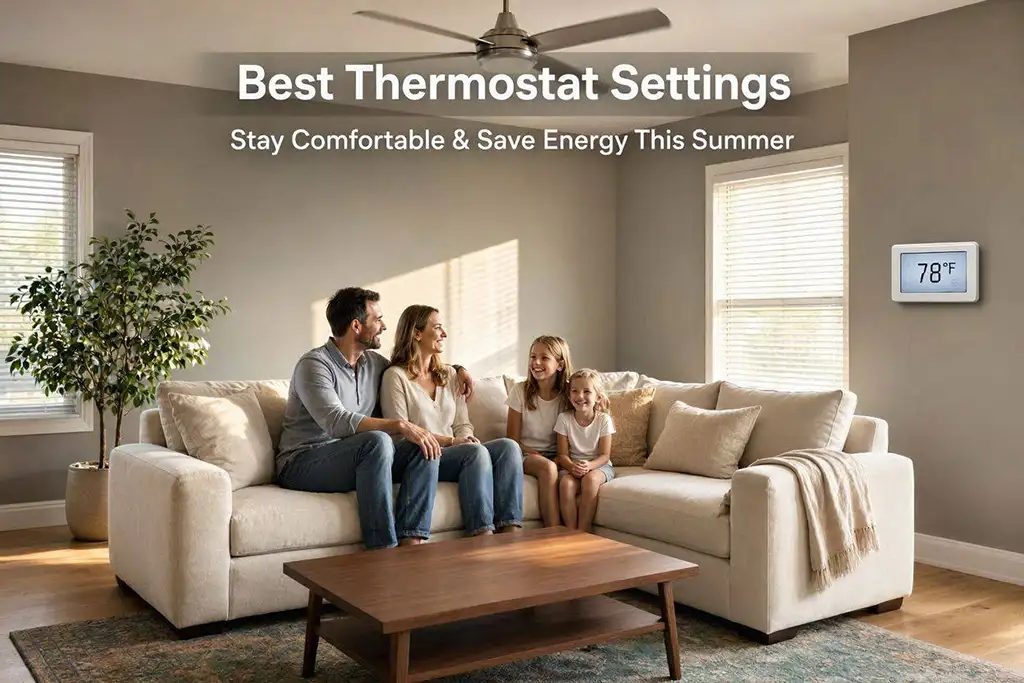
For most households, 78°F (26°C) is widely recommended as a good balance between comfort and energy efficiency while you’re home and awake.
If you’re comfortable using ceiling fans, closing blinds during the hottest part of the day, and maintaining your HVAC system, many homeowners find 78°F surprisingly comfortable.
Remember, every degree you lower the thermostat increases the workload on your air conditioner.
Recommended Summer Thermostat Settings
While everyone has different comfort preferences, the following temperatures work well for many homes.
| Situation | Recommended Setting |
|---|---|
| Home during the day | 78°F |
| Sleeping | 74–76°F |
| Away from home | 82–85°F |
| Vacation | 85°F (depending on pets, plants, and humidity) |
These settings help reduce cooling costs without allowing excessive heat or humidity to build up inside your home.
Why Not Set the Thermostat Much Lower?
Many homeowners believe lowering the thermostat to 68°F or 70°F cools the house faster.
Unfortunately, that’s a common misconception.
Most residential air conditioners cool at roughly the same rate regardless of the thermostat setting.
Lowering it much further simply causes the system to run longer before shutting off.
That means:
- Higher electric bills
- More wear on the HVAC system
- Less efficient operation
Use Ceiling Fans to Feel Cooler
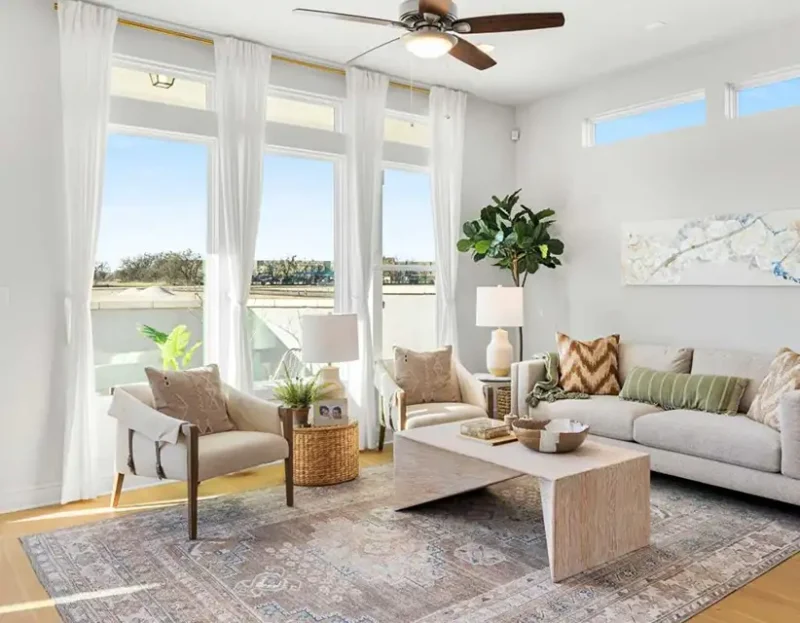
Ceiling fans don’t lower the actual room temperature—they create airflow that helps your body feel cooler.
During the summer, ceiling fans should rotate counterclockwise.
Using ceiling fans may allow you to raise the thermostat by several degrees while maintaining the same level of comfort.
Need an HVAC Professional?
If your air conditioner struggles to keep your home comfortable even with proper thermostat settings, it may be time for professional maintenance.
Browse trusted HVAC contractors in the HelpHouse Contractor Directory to find experienced professionals near you.
Consider a Smart Thermostat
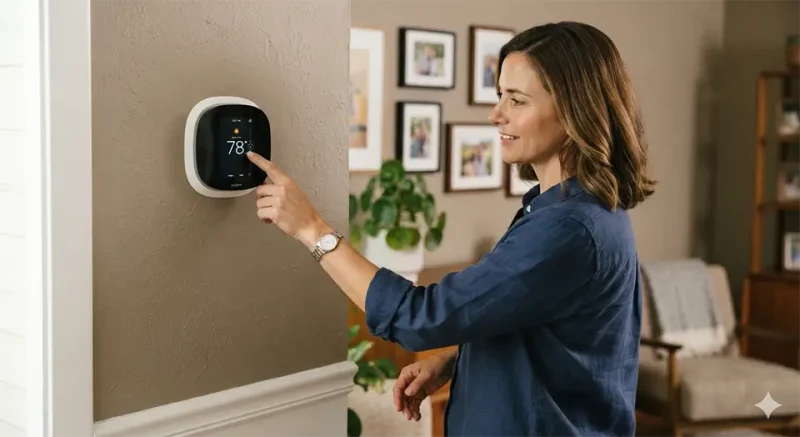
Smart thermostats automatically adjust temperatures based on your schedule.
Many can:
- Learn your daily routine
- Reduce cooling while you’re away
- Increase comfort before you return home
- Monitor energy usage
- Allow remote adjustments using your phone
Over time, a smart thermostat may help reduce cooling costs while making your home more comfortable.
Keep Sunlight Out During Peak Hours
Sunlight entering through windows adds significant heat to your home.
During the afternoon:
- Close blinds
- Close curtains
- Use blackout curtains where needed
- Keep south- and west-facing windows shaded
Reducing solar heat gain helps your air conditioner maintain a comfortable temperature without lowering the thermostat.
Change Your HVAC Filter Regularly
A dirty air filter restricts airflow and forces your cooling system to work harder.
Replacing the filter every one to three months helps:
- Improve airflow
- Increase efficiency
- Improve indoor air quality
- Reduce strain on your air conditioner
It’s one of the easiest ways to improve summer comfort.
Reduce Indoor Heat
Many everyday appliances generate heat.
During hot afternoons, try to avoid:
- Running the oven
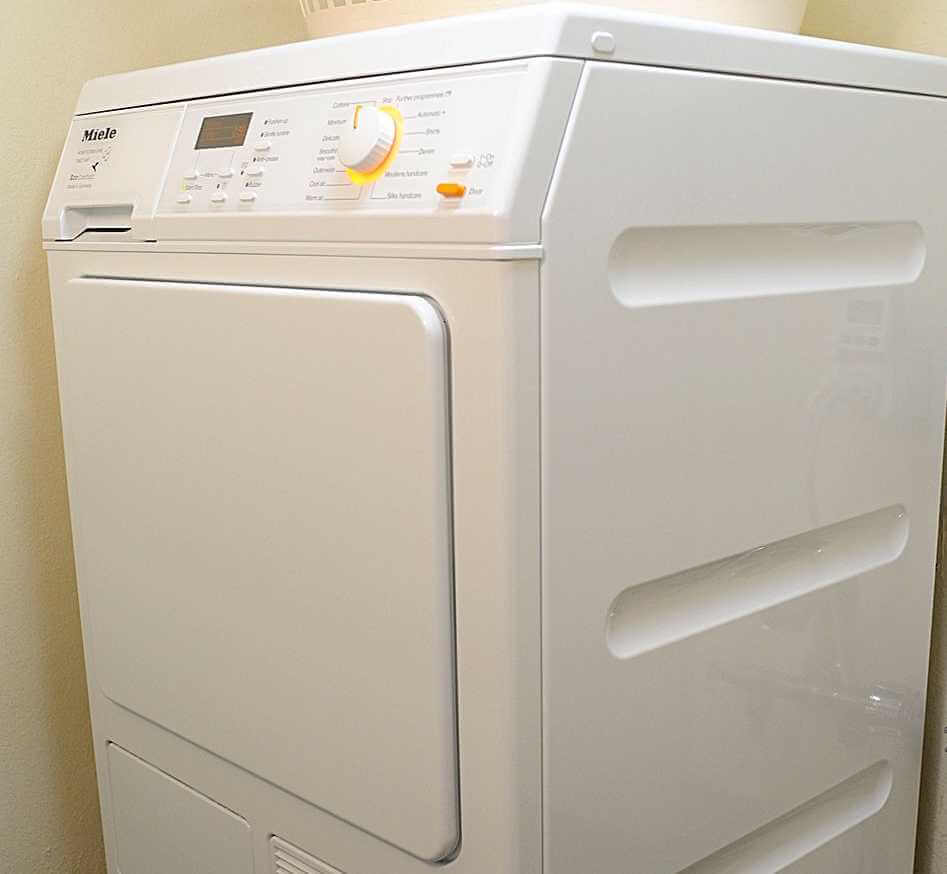
- Using the clothes dryer
- Running the dishwasher until evening
- Leaving unnecessary lights on
Small changes can reduce the workload on your air conditioner.
Don’t Forget About Humidity
Humidity plays a major role in how comfortable your home feels.
A home with high humidity often feels warmer even if the thermostat reads the same temperature.
Ways to reduce humidity include:
- Using bathroom exhaust fans
- Running kitchen exhaust fans
- Fixing plumbing leaks
- Using a dehumidifier when necessary
Lower humidity often allows homeowners to increase thermostat settings without sacrificing comfort.
Program Your Thermostat
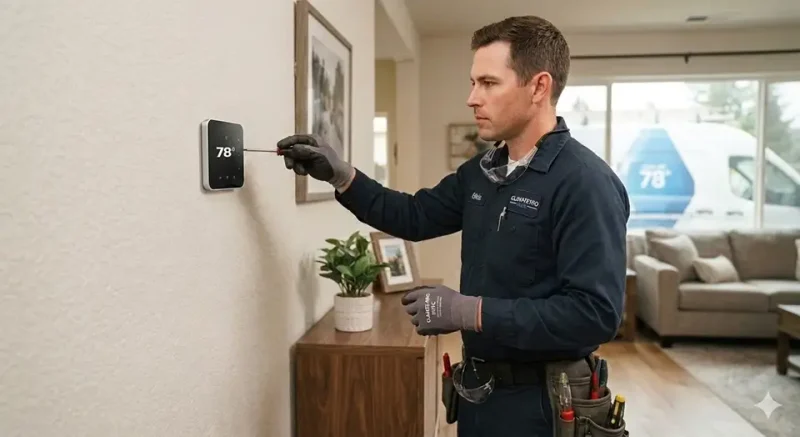
If your thermostat allows scheduling, create automatic temperature changes throughout the day.
Example schedule:
- 6:00 AM — 76°F
- 8:00 AM — 82°F
- 5:30 PM — 78°F
- 10:00 PM — 75°F
This keeps your home comfortable while reducing unnecessary cooling when nobody is home.
Need Help Improving Energy Efficiency?
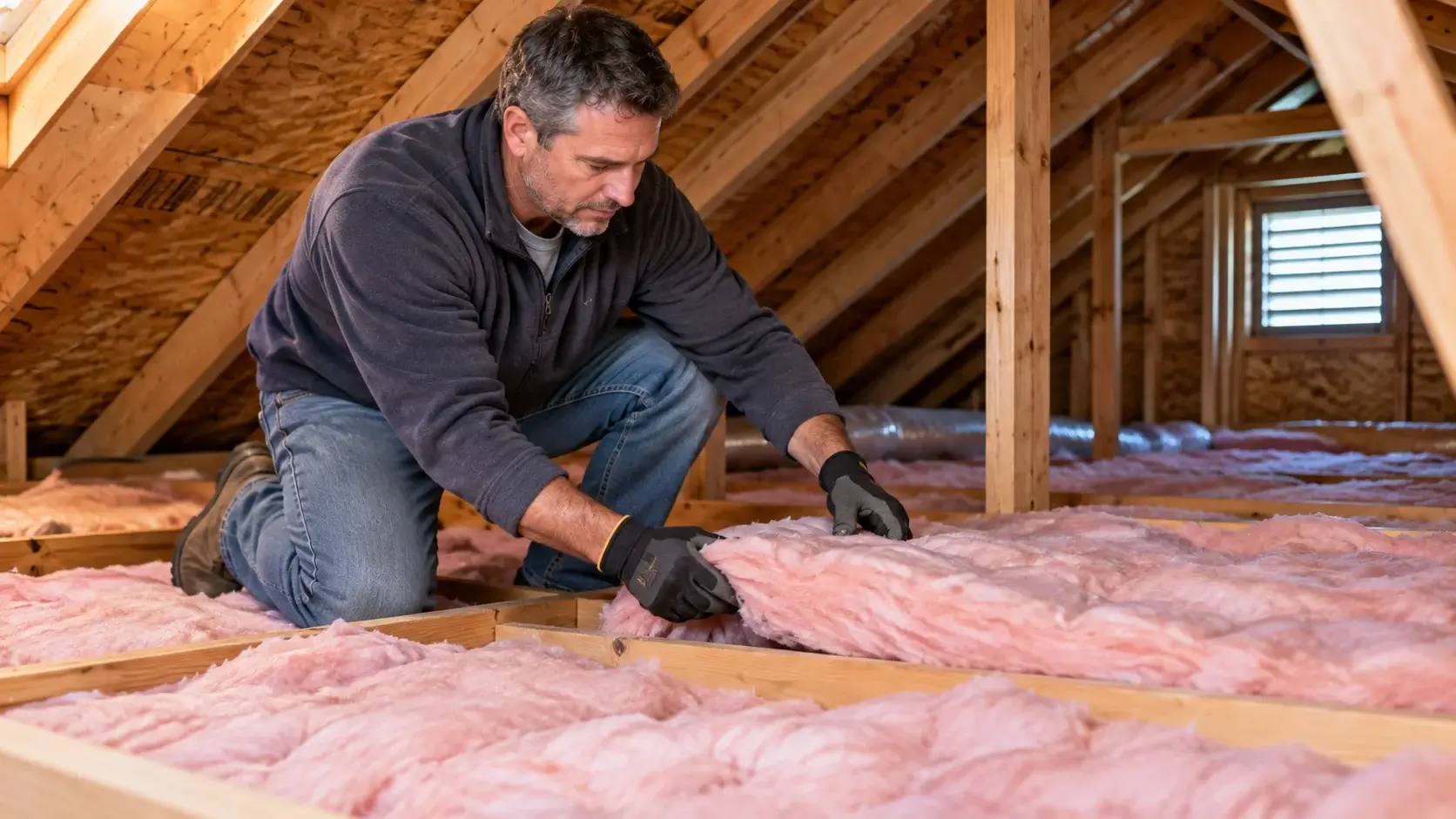
If your home still feels uncomfortable despite proper thermostat settings, improving insulation, sealing air leaks, or upgrading your HVAC system may provide significant savings.
Find trusted HVAC contractors, insulation professionals, and energy-efficiency experts in the HelpHouse Contractor Directory.


Common Thermostat Mistakes
Avoid these common mistakes:
Constantly changing the thermostat
Frequent adjustments don’t cool your home faster.
Setting temperatures too low
Lower settings increase energy usage without speeding up cooling.
Ignoring air filter replacement
Restricted airflow reduces system performance.
Blocking supply vents
Furniture, curtains, and rugs can reduce airflow.
Forgetting annual HVAC maintenance
Routine service keeps your system operating efficiently.
Frequently Asked Questions
Is 78°F really comfortable?
For many homeowners, yes.
Using ceiling fans, reducing sunlight, and controlling humidity often makes 78°F feel surprisingly comfortable.
Should I turn my AC off when I leave?
Generally no.
It’s usually better to increase the thermostat several degrees rather than turning the system off completely, especially during periods of extreme heat.
Does lowering the thermostat cool the house faster?
No.
Most residential air conditioners cool at a consistent rate regardless of how low you set the thermostat.
Can a smart thermostat save money?
Yes.
Smart thermostats help reduce unnecessary cooling while maintaining comfort based on your schedule.
Final Thoughts on What Are the Best Thermostat Settings
Choosing the best thermostat settings for summer is one of the easiest ways to stay comfortable while reducing energy costs. Combined with regular HVAC maintenance, proper insulation, good airflow, and simple energy-saving habits, the right thermostat settings can help your cooling system operate more efficiently all season long.
Small adjustments today can lead to lower utility bills and a more comfortable home throughout the summer.
Need Help Keeping Your Home Cool?
Whether you need an HVAC technician, insulation contractor, electrician, or energy-efficiency expert, the HelpHouse Contractor Directory helps you connect with trusted local professionals for your next home improvement project.
Browse contractor listings, compare services, and find experienced contractors who can help improve your home’s comfort and efficiency.
Continue Your Summer Home Maintenance
Continue learning with these related HelpHouse guides:
- HVAC Tips for Homeowners in the Summer
- Summer Home Maintenance Checklist: 25 Essential Tasks Every Homeowner Should Complete
- How to Keep Your House Cool Without Lowering the Thermostat
- Why Is My Upstairs Always Hot in the Summer?
- Summer Energy Saving Tips That Actually Work



Are you a contractor?
Help homeowners find your business by listing your company in the HelpHouse Contractor Directory.