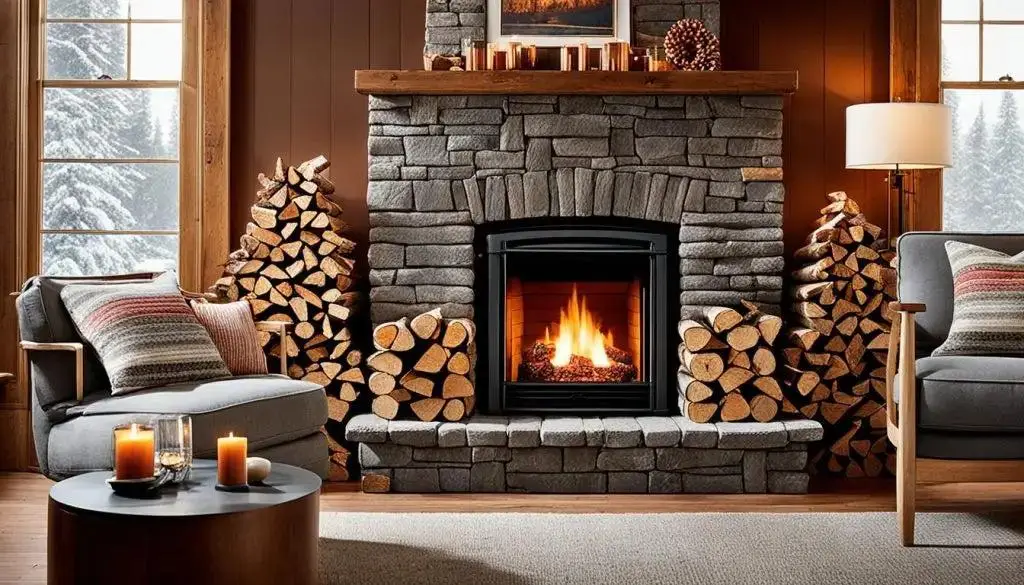
A fireplace can make your home more comfortable during the coldest months, but before you light your first seasonal fire, it’s important to make sure the fireplace and chimney are ready for regular use. Creosote buildup, blocked flues, damaged masonry, and poorly functioning dampers can create fire and carbon monoxide hazards that may not be obvious during a quick visual check.
Winterizing your fireplace and chimney involves more than cleaning out last season’s ashes. It means checking for visible damage, arranging a professional inspection when needed, preparing your firewood, and establishing safe habits before the heating season gets underway. These steps can help you enjoy your fireplace while reducing the risk of chimney fires and other winter home hazards.
1. Schedule a Professional Chimney Inspection
One of the most important steps in preparing your fireplace for winter is arranging a chimney inspection. Even if your fireplace appeared to work properly last season, soot, creosote, animal nests, loose masonry, or other problems may have developed since it was last used.
The National Fire Protection Association recommends having chimneys, fireplaces, and vents inspected at least once a year and cleaned, repaired, or serviced as necessary. A qualified chimney professional can examine accessible components, assess the condition of the flue, and identify issues that require attention before you start burning wood regularly.
A professional inspection is particularly important if you have recently purchased a home, have not used the fireplace for several seasons, experienced a chimney fire, or noticed smoke entering the living area. If you suspect damage or a blockage, do not use the fireplace until it has been evaluated.
When choosing a chimney professional, look for relevant training, experience, insurance, and applicable credentials. Ask what the inspection includes and whether the professional will provide written findings and recommendations. You can use the HelpHouse Contractor Directory to look for local professionals who handle chimney inspection, sweeping, and repairs.
2. Understand Creosote Buildup and Chimney Cleaning
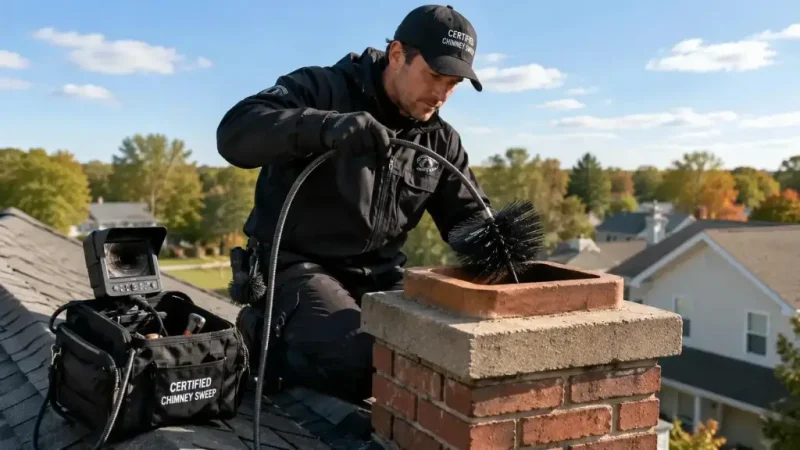
Creosote is a combustible deposit that forms when wood smoke cools and condenses inside a chimney. It can accumulate along the flue walls, particularly when wood burns incompletely or the chimney does not maintain appropriate operating temperatures.
As creosote builds up, it can restrict the passage of smoke and increase the risk of a chimney fire. A chimney fire can damage the flue, surrounding building materials, and other parts of the home, even when the damage is not immediately visible from the fireplace opening.
You should not rely on the appearance of your fireplace alone to determine whether the chimney needs cleaning. Some deposits are difficult to see without the appropriate inspection, and a clean-looking firebox does not necessarily mean the flue is safe.
Have the chimney cleaned when an inspection indicates it is necessary. A qualified chimney sweep has the tools and experience to remove deposits and identify problems that may require repair. Avoid attempting to remove substantial creosote buildup yourself, particularly if you cannot safely access the chimney or determine the condition of its interior.
Burning properly seasoned firewood and using the fireplace according to the manufacturer’s instructions can help reduce creosote formation, but these practices do not eliminate the need for inspection and maintenance.
3. Check the Chimney Cap, Crown, and Exterior Masonry
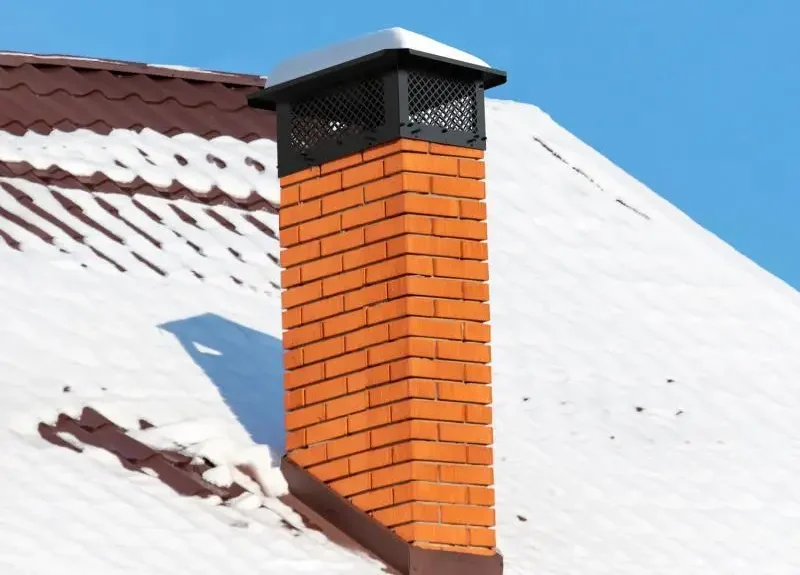
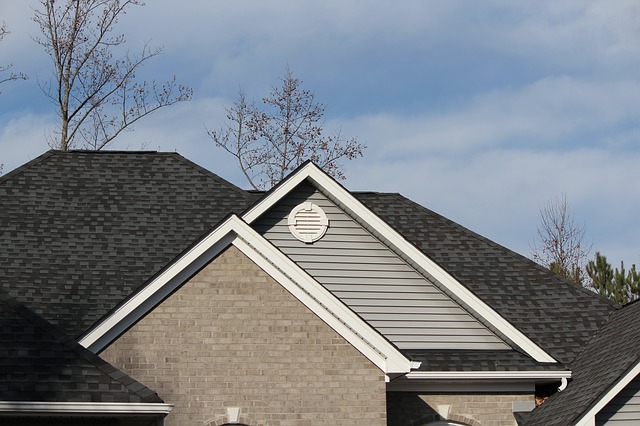
The chimney’s exterior helps keep rain, snow, animals, and debris from causing problems inside the flue. Before winter weather arrives, inspect the visible chimney from the ground for signs of deterioration.
Look for missing or loose bricks, crumbling mortar, visible cracks, damaged flashing where the chimney meets the roof, and a chimney cap that appears loose or damaged. A properly fitted cap helps keep precipitation and animals out while allowing combustion gases to escape as designed.
The chimney crown—the top surface surrounding the flue opening—also deserves attention. Cracks or deterioration can allow water to penetrate the masonry. When that moisture freezes and expands, it can worsen existing damage and contribute to loose bricks, damaged mortar, and leaks.
Do not climb onto a roof or chimney to inspect these components unless you have the appropriate training and fall-protection equipment. A ground-level visual check can reveal obvious concerns, but it cannot replace a closer professional inspection.
If you notice cracked masonry, missing mortar, water stains near the fireplace, or a damaged chimney cap, arrange an assessment by a qualified chimney or masonry contractor before using the fireplace. Addressing small problems early can help prevent moisture intrusion and more extensive repairs later.
4. Inspect the Fireplace, Firebox, and Damper
The firebox is the area where the fire burns, and its condition affects how safely your fireplace operates. Before the first fire of the season, look for visible cracks, loose firebricks, damaged mortar joints, or signs that previous fires may have damaged the surrounding materials.
Check the fireplace doors or screen for damage, and make sure the hearth is clear of combustible decorations, furniture, paper, and stored firewood. A properly fitted fireplace screen helps contain sparks and embers, but it does not make an unattended fire safe.
The damper controls airflow through many traditional fireplaces. When the fireplace is not in use and the fire is completely extinguished, a properly functioning damper can help reduce unwanted drafts and heat loss. Before lighting a fire, however, make sure the damper is fully open so smoke and combustion gases can escape through the chimney.
Never light a fire if you cannot confirm that the damper is open or if smoke has previously entered the room for unexplained reasons. A blocked or improperly functioning flue can allow dangerous gases to accumulate indoors.
If the damper sticks, the firebox shows substantial cracking, or you notice smoke stains or persistent odors, have the fireplace inspected before using it. Repairs involving damaged fireboxes, flues, or other safety-critical components should be handled by an appropriately qualified professional.
5. Choose and Store Firewood Properly
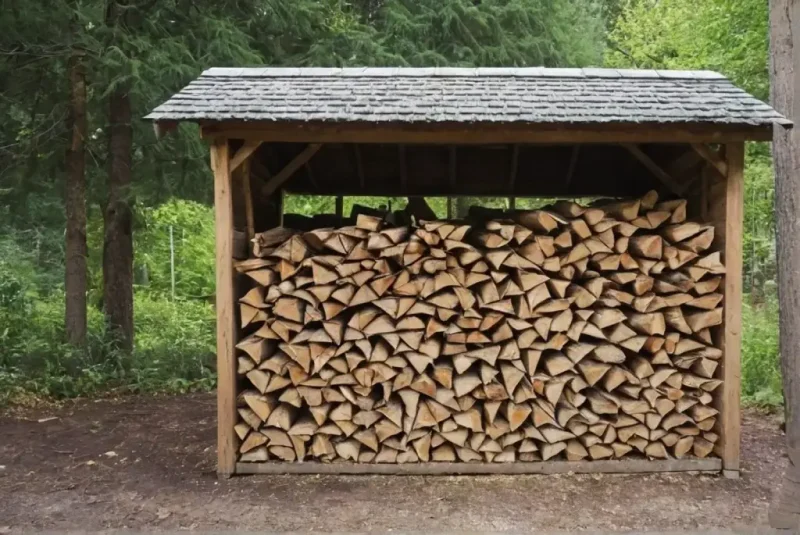
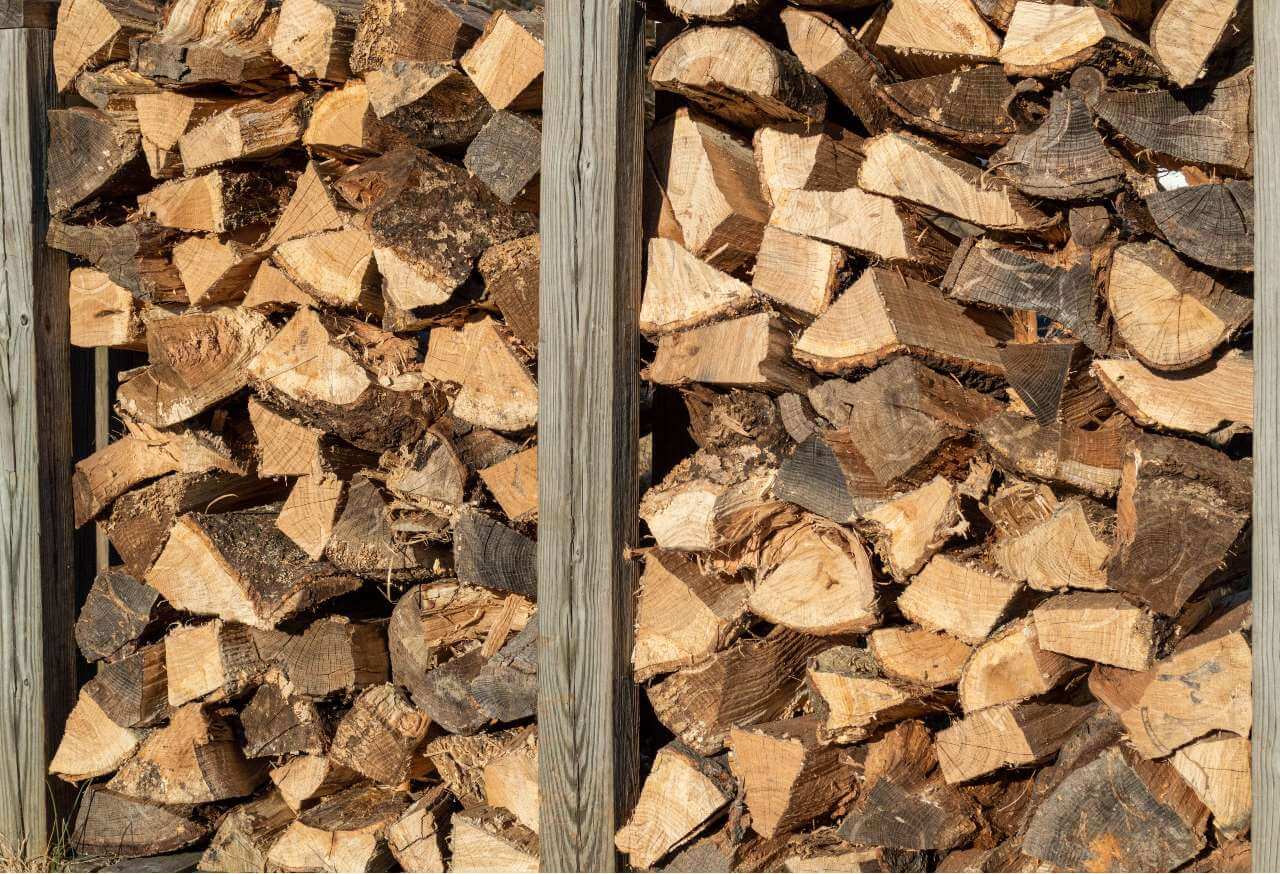
The type and condition of the wood you burn affect fireplace performance, smoke production, and creosote accumulation. Properly seasoned wood has had time to dry, making it more suitable for burning than freshly cut or damp wood.
Whenever possible, use dry, seasoned firewood and follow the fireplace manufacturer’s recommendations for fuel. A moisture meter can help you assess firewood moisture content; for typical cordwood burning, a moisture content below 20% is a common target.
Store firewood off the ground on a suitable rack, with protection from rain and snow. A cover over the top of the stack helps keep precipitation off, while open sides allow air to circulate and moisture to escape.
Keep large woodpiles away from the house and other combustible structures, following local fire-safety guidance. Bring only a modest amount of wood indoors for immediate use, and inspect it for insects before bringing it inside.
Never burn treated or painted lumber, plywood, household garbage, plastics, or other materials not intended for fireplace use. These materials may release harmful pollutants, damage the appliance, or create unsafe burning conditions.
6. Prepare Your Fireplace Tools and Safety Equipment
Before the heating season begins, make sure you have the basic equipment needed to manage a fire safely. Keep fireplace tools in good condition and store them in a stable holder away from walkways and combustible furnishings.
A properly fitted fireplace screen or closed fireplace doors, where appropriate for the appliance, can help prevent sparks from escaping into the room. Keep a sturdy metal container available for disposing of ashes, and place it outdoors on a noncombustible surface after use. Never assume ashes are cold simply because they look gray; embers can remain hot for a surprisingly long time.
Check that smoke alarms and carbon monoxide alarms are installed in the appropriate locations and working correctly. Test them according to the manufacturers’ instructions, replace expired units, and make sure everyone in the household understands what to do if an alarm sounds.
If you use a fireplace insert, wood stove, or other solid-fuel appliance, follow its specific operating and maintenance instructions. Different appliances have different clearance, ventilation, and fuel requirements.
For more ways to protect your household from winter heating hazards, read our guide to Winter Home Fire and Heating Safety.
7. Prevent Drafts Without Blocking Fireplace Ventilation
A fireplace that is not being used can be a source of unwanted drafts and heat loss. However, sealing the fireplace incorrectly can create safety problems, particularly if the chimney serves another appliance or the fireplace is still in use.
Start by checking whether the damper closes properly when the fireplace is completely cold and no appliance is operating through that flue. If the damper is damaged or does not fit properly, ask a qualified professional about repair options.
Removable fireplace draft stoppers or chimney balloons may be suitable for some unused fireplaces, but they must be used according to their instructions and removed before any fire is lit. Never install a device that blocks a flue needed by an operating appliance, and make sure everyone in the household knows when a draft blocker is in place.
If you rarely use your fireplace and want to improve energy efficiency, a chimney professional can help determine which sealing or damper improvements are appropriate for your home’s setup.
For additional ways to reduce heat loss, see How to Improve Your Home’s Insulation Before Winter.
8. Know When Fireplace Repairs Require a Professional
Some fireplace preparation tasks, such as removing cold ashes, organizing firewood, and checking visible surfaces, are manageable for many homeowners. Other problems require professional evaluation because mistakes can create serious fire or carbon monoxide risks.
Contact a qualified chimney professional if you notice:
- Cracked bricks, deteriorating mortar, or damage to the chimney crown.
- A damaged or missing chimney cap.
- Heavy creosote deposits or evidence of a previous chimney fire.
- Smoke entering the home during normal fireplace operation.
- A damper that will not open or close correctly.
- Water leaks, persistent dampness, or unexplained odors around the fireplace.
- Loose firebricks or cracks in the firebox.
A chimney sweep may be able to perform the inspection, cleaning, or maintenance required, while structural masonry repairs may call for a specialist with appropriate chimney repair experience. Ask the contractor to explain the problem, identify any urgent safety concerns, and provide a written estimate before work begins.
You can use the HelpHouse Contractor Directory to look for professionals who offer chimney, masonry, or related home maintenance services. Confirm that each contractor offers the specific service you need and has the appropriate qualifications and insurance.
If you suspect a chimney fire, evacuate the home if there is immediate danger and call 911 from a safe location. Do not continue using the fireplace until it has been professionally inspected, even if the fire appears to have gone out.
Fireplace and Chimney Winterization Checklist
Use this checklist before your first regular winter fire:
- Schedule an annual chimney and fireplace inspection.
- Arrange chimney cleaning if recommended by the inspection.
- Check the visible chimney exterior for cracks, loose bricks, or deteriorating mortar.
- Have the chimney cap, crown, and roof flashing checked for damage.
- Inspect the firebox for visible cracks or loose firebricks.
- Make sure the damper operates properly and opens fully before lighting a fire.
- Stock dry, seasoned firewood and store it in a suitable location.
- Keep combustible furnishings and decorations away from the hearth.
- Check smoke and carbon monoxide alarms.
- Keep fireplace tools and ash containers in good condition.
- Review safe fireplace operation and emergency procedures with everyone in the household.
Frequently Asked Questions
The National Fire Protection Association recommends inspecting chimneys, fireplaces, and vents at least once a year. Cleaning, maintenance, or repairs should be performed as necessary based on the inspection findings and the type and frequency of use.
Homeowners can perform basic fireplace housekeeping, but chimney cleaning and inspection can involve hidden deposits, difficult access, and potential structural or venting problems. For a chimney used regularly, professional inspection and cleaning when needed are the safer approach, particularly when you suspect substantial creosote buildup or damage.
Visible dark deposits, flaky buildup, or shiny, tar-like material may indicate creosote accumulation, but appearance alone cannot reliably establish whether a chimney is safe. Have a qualified chimney professional inspect the flue and determine whether cleaning is necessary.
Close a traditional fireplace damper only when the fire is completely extinguished, the fireplace is cold, and the flue is not needed for another operating appliance. Always open the damper fully before lighting a fire. Never close it while embers are still producing smoke or combustion gases.
Use dry, properly seasoned firewood suitable for your fireplace or appliance. Well-dried wood generally burns more cleanly than wet or freshly cut wood. Avoid treated, painted, or manufactured wood products unless the appliance manufacturer specifically permits them.
Final Thoughts on Fireplace and Chimney Winterization
Winterizing your fireplace and chimney before the heating season is an important part of keeping your home safe and comfortable. An annual inspection, appropriate chimney cleaning, properly seasoned firewood, and a functioning damper can help reduce risks and identify problems before they become emergencies.
Don’t overlook signs of damage or assume that a fireplace is safe simply because it worked well last year. If you notice cracks, smoke problems, heavy creosote, or deteriorating masonry, arrange a professional assessment before lighting another fire.
A little maintenance before winter can help you enjoy the warmth of your fireplace with greater peace of mind throughout the colder months.
More Winter Home Maintenance
Continue preparing your home for colder weather with these related HelpHouse guides:
- Winter Home Fire and Heating Safety: How to Protect Your Home
- How to Prepare Your Home for a Winter Power Outage
- How to Prepare Your Furnace for Winter
- How to Prevent Frozen Pipes This Winter (and What to Do If They Freeze)
- How to Prepare Your Home for Colder Weather: 15 Things to Do Before Winter
- How to Improve Your Home’s Insulation Before Winter
- How to Prevent Ice Dams on Your Roof This Winter
- How to Winterize Outdoor Faucets Before Freezing Weather
Need help with chimney maintenance or repairs? Browse the HelpHouse Contractor Directory to find professionals for your home maintenance needs.
Are you a contractor?
Help homeowners find your business by listing your company in the HelpHouse Contractor Directory.