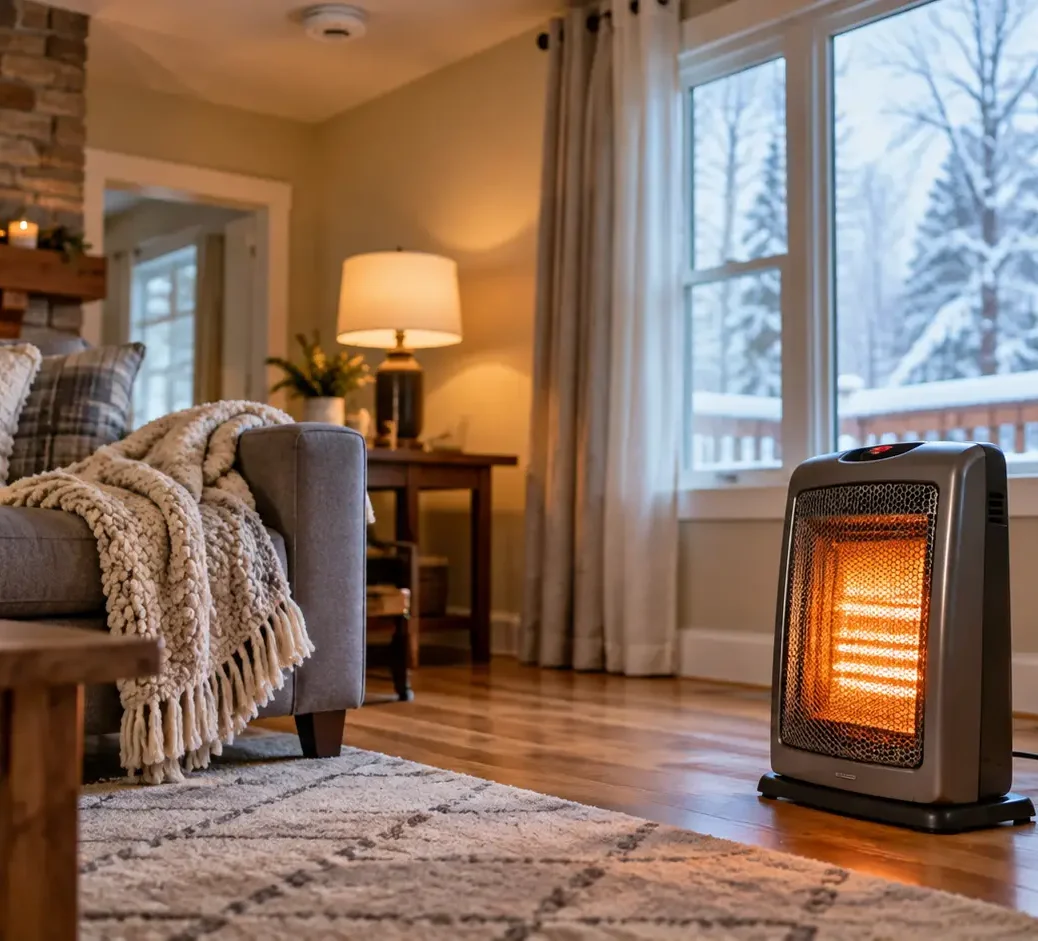
When temperatures drop, homeowners rely more heavily on furnaces, fireplaces, wood stoves, and portable space heaters to stay warm. These heating sources make winter more comfortable, but they can also introduce fire and carbon monoxide hazards if equipment is poorly maintained or used incorrectly.
Winter home fire safety starts with a few essential precautions: keeping combustible materials away from heat sources, maintaining heating equipment, testing smoke and carbon monoxide alarms, and knowing how to respond if a heating emergency occurs. Taking these steps before the coldest weather arrives can help protect your home, your belongings, and everyone inside.
1. Use Space Heaters Safely
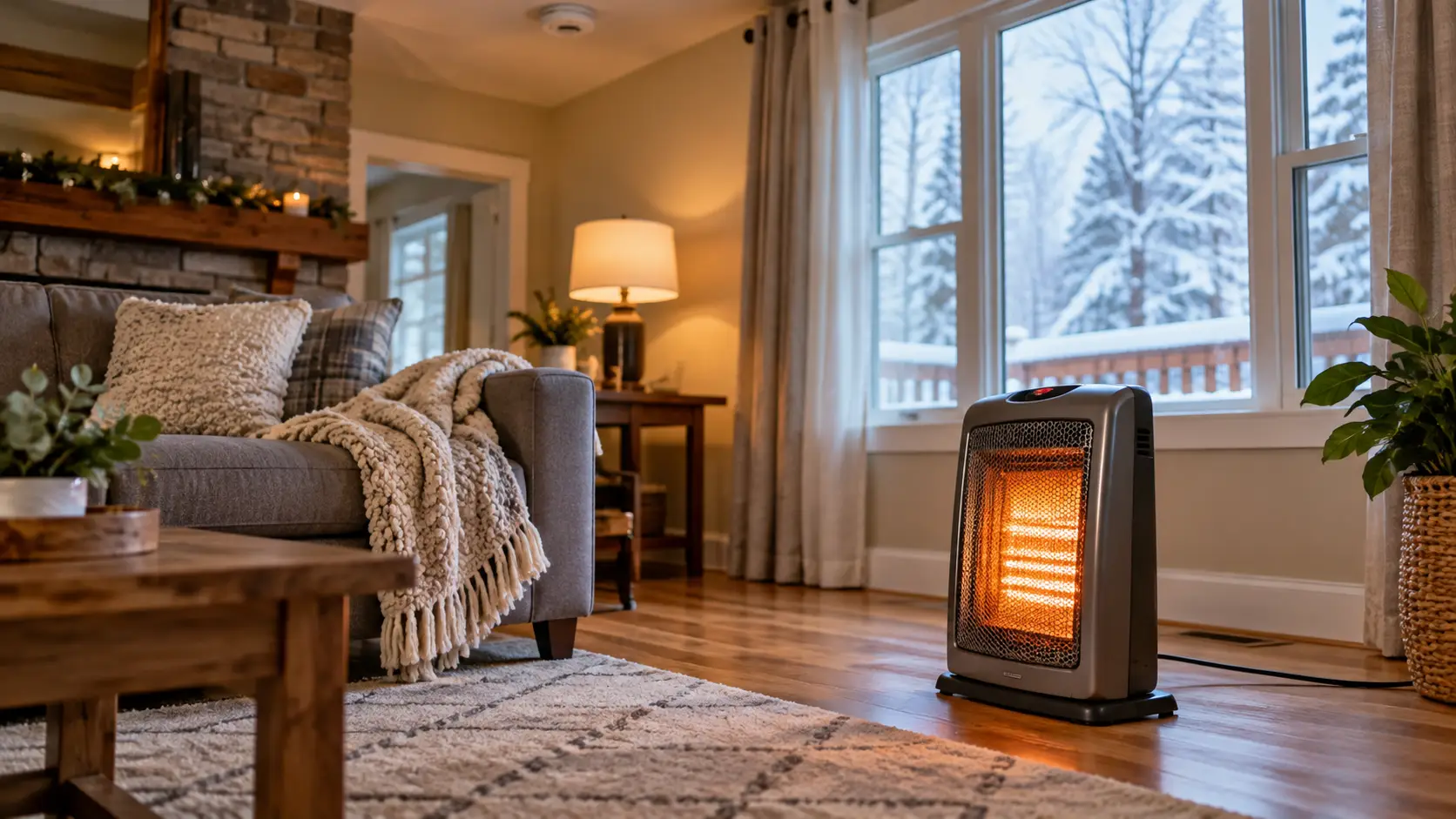
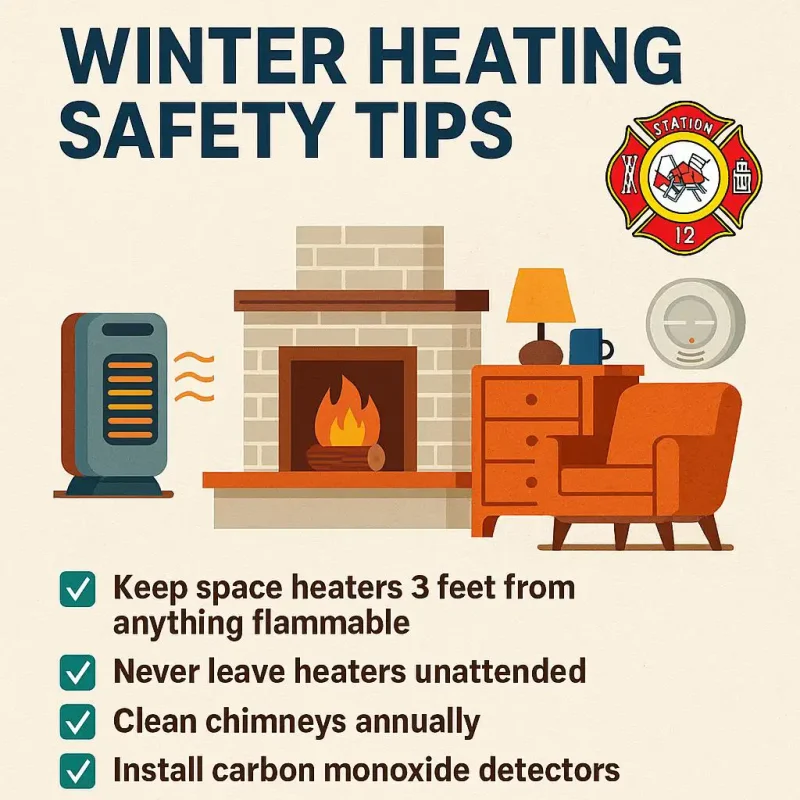
Portable space heaters can provide supplemental warmth in a chilly room, but they need careful placement and supervision. The U.S. Consumer Product Safety Commission recommends keeping portable heaters at least three feet away from anything that can burn, including curtains, bedding, upholstered furniture, clothing, and paper.
Follow these space heater safety rules throughout winter:
- Maintain a three-foot clearance. Keep the heater away from furniture, curtains, bedding, decorations, and other combustible materials on every side.
- Plug electric heaters directly into a wall outlet. Never use an extension cord or power strip, and do not run the heater’s electrical cord beneath rugs or carpeting.
- Place the heater on a stable, level surface. Keep it somewhere it cannot easily be knocked over by children, pets, or foot traffic.
- Turn it off when leaving the room or going to bed. Do not leave a portable heater operating unattended.
- Inspect the cord and plug. Stop using a heater with frayed wiring, a damaged plug, unusual odors, or signs of overheating.
- Choose an appropriately certified model. Look for testing and certification from a recognized safety organization, and follow the manufacturer’s operating instructions.
Keep portable heaters away from water and damp locations unless the product is specifically designed for that environment. If a plug or outlet becomes unusually hot, discontinue use and have a qualified electrician investigate the problem.
Never use a gas oven, charcoal grill, outdoor propane heater, or other appliance intended for outdoor use to heat your home. These alternatives can create serious fire and carbon monoxide hazards.
2. Inspect Your Furnace and Heating System
Your furnace or boiler may run for hours at a time during cold weather. Regular maintenance helps the system operate safely and can reveal developing problems before they become expensive repairs or dangerous failures.
Before the heating season gets underway, arrange for a qualified HVAC professional to inspect and service your heating equipment according to the manufacturer’s recommendations. Fuel-burning systems should receive appropriate professional inspection, including checks of combustion, venting, and exhaust pathways.
Homeowners can also take several routine precautions:
- Replace or clean the furnace filter according to the manufacturer’s instructions.
- Keep the area around the furnace, boiler, and other heating equipment clear of boxes, cleaning products, paint, gasoline, and other combustible materials.
- Make sure supply and return vents are not blocked by furniture, rugs, or stored belongings.
- Pay attention to unusual noises, persistent odors, repeated shutdowns, or changes in heating performance.
- Keep flammable liquids and household chemicals away from equipment that produces heat.
Never attempt to repair gas lines, alter combustion equipment, or modify furnace safety controls yourself. If you smell gas, leave the building without operating electrical switches or using a phone indoors, then contact your gas utility or emergency services from a safe location.
If your heating system is malfunctioning, repeatedly tripping a breaker, or showing signs of overheating, arrange for a qualified professional to investigate rather than continuing to operate it.


3. Check Smoke Alarms and Carbon Monoxide Detectors
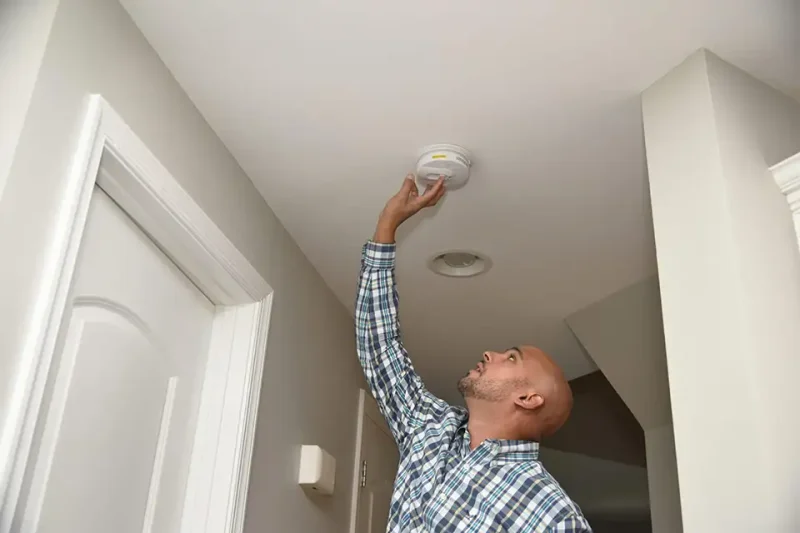
Working alarms are among the most important safeguards in a winter home. Smoke alarms provide warning of a developing fire, while carbon monoxide (CO) alarms can alert occupants to a dangerous buildup of this invisible, odorless gas.
Carbon monoxide can be produced by improperly operating or inadequately vented fuel-burning appliances, including furnaces, boilers, fireplaces, and generators.
Before winter arrives, check that:
- Smoke alarms are installed on every level of your home, inside each bedroom, and outside separate sleeping areas.
- Carbon monoxide alarms are installed on each level and outside sleeping areas, following the manufacturer’s instructions and applicable local requirements.
- Every alarm is tested monthly using its test button.
- Batteries are replaced as needed, and alarms are replaced according to their expiration dates and manufacturer guidance.
- Everyone in the household knows what the alarms sound like and understands what to do when one activates.
Do not remove alarm batteries because of nuisance alerts or ignore an alarm that sounds repeatedly. If a carbon monoxide alarm activates, get everyone outside into fresh air immediately and call emergency services from outside. Do not reenter until emergency responders say it is safe.
Headaches, dizziness, nausea, weakness, and confusion can be symptoms of carbon monoxide exposure. If several people in the home develop similar symptoms, leave immediately and seek emergency assistance rather than trying to locate the source yourself.
4. Reduce Fireplace and Wood Stove Fire Risks
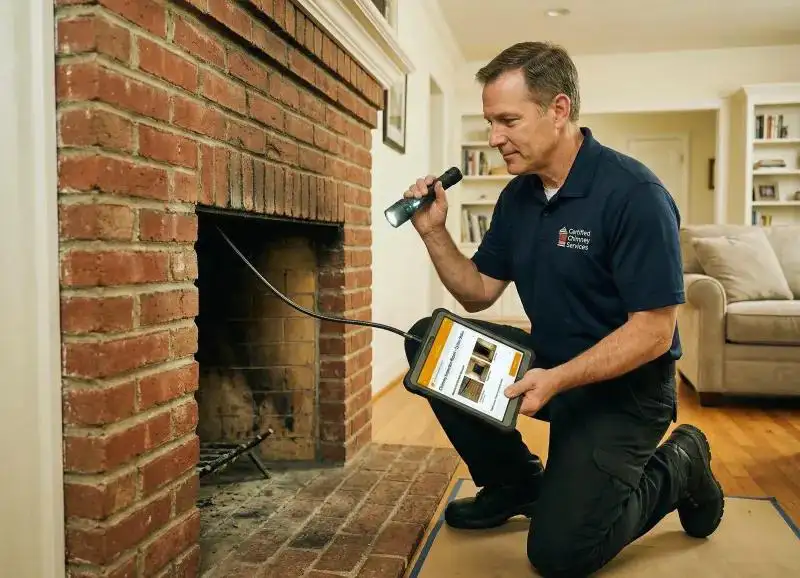
Fireplaces and wood stoves provide warmth during cold weather, but safe operation depends on proper maintenance and careful handling of burning materials.
Before using a fireplace or wood stove regularly, have the chimney, flue, and related components inspected and cleaned when necessary by a qualified chimney professional. Creosote buildup, obstructions, damaged masonry, and defective venting can increase fire and carbon monoxide risks.
During use, follow these precautions:
- Keep a properly fitted glass or metal fireplace screen in place to contain sparks and embers.
- Maintain at least three feet of clearance between the fire and combustible materials.
- Burn only the fuel permitted by the appliance manufacturer.
- Never burn household trash, plastic, or other materials that can release hazardous fumes or create excessive residue.
- Never leave a fire unattended, and extinguish it before leaving home or going to bed.
- Allow ashes to cool completely, then place them in a covered metal container outside, at least ten feet from the house and other combustible structures.
Never assume that ashes are cold because they look gray. Embers can remain hot enough to ignite combustible materials long after a fire appears to be out.
If your home has a fireplace, wood stove, or other solid-fuel heating appliance, schedule any needed inspection or repairs before relying on it during a winter storm. A separate article in this winter series will cover fireplace and chimney winterization in greater detail.
5. Practice Electrical Fire Prevention
Winter often brings additional electrical demand from space heaters, holiday lighting, heated blankets, and other household equipment. Overloaded circuits, damaged cords, and improperly used electrical devices can increase fire risk.
To reduce electrical hazards, avoid plugging several high-wattage appliances into the same outlet or circuit. Never use a damaged power cord, and replace frayed or cracked cords rather than covering the damage with tape.
Keep electrical cords away from heat sources, water, doorways, and areas where furniture can pinch them. Do not place cords beneath rugs, where damage or overheating may go unnoticed.
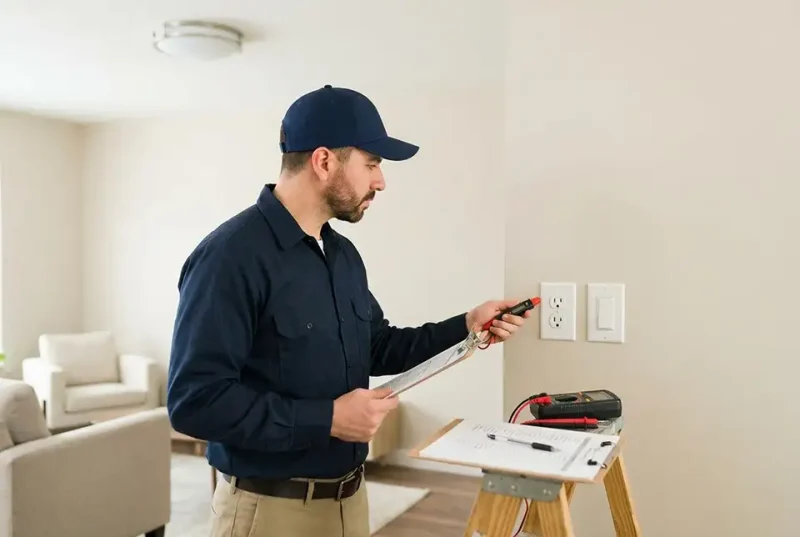
If a circuit breaker trips repeatedly, an outlet feels hot, lights flicker when a heater starts, or you notice buzzing or a burning smell near an electrical fixture, stop using the affected equipment and contact a qualified electrician. Do not repeatedly reset a breaker without determining why it tripped.
For holiday decorations, inspect light strings and extension cords for damage, follow the manufacturer’s limits for connecting multiple strings, and turn decorations off when you go to bed or leave the house.




6. Prepare for Winter Power Outages Without Creating New Hazards
A winter power outage can tempt homeowners to improvise heating or lighting arrangements. Unfortunately, some of the most common emergency alternatives introduce serious fire and carbon monoxide hazards.
Keep battery-powered flashlights or lanterns available rather than relying on candles for emergency lighting. If you use candles under ordinary circumstances, never leave them unattended, and keep them away from curtains, decorations, and other combustible materials.
If you own a portable generator, operate it outdoors only, at least 20 feet from the home and away from doors, windows, and vents. Direct exhaust away from occupied buildings, and follow the generator manufacturer’s instructions. Never operate a generator in a house, basement, garage, shed, or other enclosed or partially enclosed space.
Never bring a charcoal grill or outdoor fuel-burning heater inside for warmth. These devices can produce dangerous concentrations of carbon monoxide even when a door or window is open.
Keep outdoor furnace and appliance exhaust vents clear of snow and ice so combustion gases can escape properly. If an outage affects your heating system, use only heating alternatives specifically designed for safe indoor use and follow all instructions.
For additional outage preparation steps, read How to Prepare Your Home for a Winter Power Outage.
7. Make a Household Fire Escape Plan
Even with careful prevention, emergencies can happen. A clear escape plan helps everyone in the household respond quickly instead of losing valuable time deciding what to do.
Identify two ways out of each room when possible, and make sure windows, doors, and escape routes can be opened and accessed. Keep hallways and exits free of boxes, furniture, and other obstructions.
Choose an outdoor meeting place a safe distance from the house. Make sure children understand how to recognize a smoke alarm and know that they should leave immediately rather than hide or stop to collect belongings.
Practice the escape plan with everyone in the household, including older adults and anyone who may need assistance. If a fire occurs, get outside, stay outside, and call 911. Never return to a burning building to retrieve possessions.
8. Know When to Call a Professional
Some winter safety tasks are appropriate for homeowners, while others require specialized training and equipment. Testing alarms, clearing accessible vents of snow, replacing ordinary furnace filters, and checking visible cords are generally straightforward tasks when performed according to manufacturer instructions.
More complicated problems should be handled by qualified professionals. Consider arranging service if you notice:
- A furnace or boiler that repeatedly shuts down or produces unusual odors or sounds.
- Damaged chimney masonry, suspected creosote buildup, or smoke entering the living area.
- Frequently tripping breakers, overheated outlets, or signs of damaged electrical wiring.
- Gas-fired equipment with suspected venting or combustion problems.
- Heating equipment that has not received its recommended professional maintenance.
Use the HelpHouse contractor directory to find appropriate local professionals for HVAC service, chimney inspection, or electrical work. Choose a contractor with the qualifications, licensing where required, insurance, and experience appropriate to the job.
Do not delay emergency action while waiting for a repair appointment. If you suspect a fire, gas leak, or carbon monoxide exposure, leave the building and contact emergency services or the appropriate utility from a safe location.
Winter Home Fire and Heating Safety Checklist
Use this checklist before the coldest part of winter and revisit it periodically throughout the heating season.
- Keep portable heaters at least three feet from combustible materials.
- Plug electric space heaters directly into wall outlets.
- Turn off portable heaters when leaving the room or going to bed.
- Check furnace filters and arrange recommended heating-system maintenance.
- Keep combustible storage away from furnaces, boilers, and other heat sources.
- Test smoke and carbon monoxide alarms monthly.
- Check alarm batteries and replacement dates.
- Arrange chimney inspection and cleaning when needed.
- Inspect accessible electrical cords and avoid overloaded circuits.
- Keep outdoor combustion-air and exhaust vents clear of snow and ice.
- Confirm that generators and other outdoor fuel-burning equipment will be used safely.
- Review and practice the household fire escape plan.
Frequently Asked Questions
What is the most important winter home fire safety rule?
Keep combustible materials at least three feet from heating equipment, including space heaters, fireplaces, wood stoves, and other heat sources. Maintain equipment properly, follow manufacturer instructions, and never leave portable heaters operating while sleeping or away.
The safest practice is to turn off portable space heaters before going to bed. Follow the manufacturer’s instructions, and never leave a portable heater operating unattended.
How often should a furnace be inspected?
Arrange professional inspection and maintenance at the intervals recommended by the manufacturer, commonly once a year for residential heating systems. Fuel-burning equipment and its venting should receive appropriate professional attention before the heating season.
How do I know if my home has a carbon monoxide problem?
How do I know if my home has a carbon monoxide problem?
Carbon monoxide cannot be seen or smelled. A working CO alarm is essential, and symptoms such as headache, dizziness, nausea, or confusion may indicate exposure. If an alarm sounds or exposure is suspected, get everyone outside immediately and call emergency services from a safe location.
Should I use my fireplace during a winter power outage?
A fireplace may provide heat if it is designed for use, properly maintained, and operated safely. Have the chimney and venting inspected, maintain appropriate clearance from combustible materials, and never use a fireplace with suspected venting problems. A fireplace is not a substitute for a safe emergency heating plan.
Keep Your Home Warm and Safe This Winter
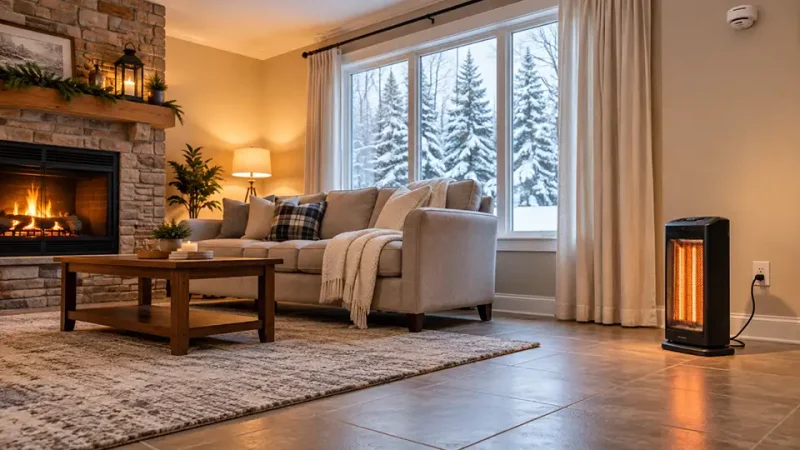
Winter fire prevention is largely about preparation, maintenance, and consistent habits. A properly maintained heating system, correctly positioned space heaters, functioning smoke and carbon monoxide alarms, and a practiced escape plan can make a meaningful difference when temperatures fall.
Take time to address maintenance problems before severe weather arrives, and use qualified professionals whenever a repair involves electrical wiring, fuel-burning equipment, or chimney safety. A little preparation now can help keep your home safer and more comfortable throughout the winter season.
Final Thoughts Home Fire and Heating Safety
Winter home fire and heating safety comes down to prevention, regular maintenance, and knowing when to call a professional. Before temperatures drop further, check your heating equipment, test your smoke and carbon monoxide alarms, and make sure portable heaters and fireplaces can be used safely.
Don’t wait for a heating problem or winter emergency to address a potential hazard. Taking care of these essential tasks now can help protect your family, reduce the risk of property damage, and keep your home comfortable throughout the colder months.
If your furnace, electrical system, or chimney needs professional attention, use the HelpHouse Contractor Directory to find a qualified professional for the job.
More Winter Home Maintenance
Continue preparing your home for colder weather with these related HelpHouse guides:
- How to Prepare Your Home for a Winter Power Outage
- How to Prepare Your Furnace for Winter
- How to Prevent Frozen Pipes This Winter (and What to Do If They Freeze)
- How to Prepare Your Home for Colder Weather: 15 Things to Do Before Winter
- How to Improve Your Home’s Insulation Before Winter
- How to Prevent Ice Dams on Your Roof This Winter
- How to Winterize Outdoor Faucets Before Freezing Weather
Need help with a heating system, electrical problem, or chimney maintenance? Browse the HelpHouse Contractor Directory to find professionals who can help protect your home this winter.
Are you a contractor?
Help homeowners find your business by listing your company in the HelpHouse Contractor Directory.