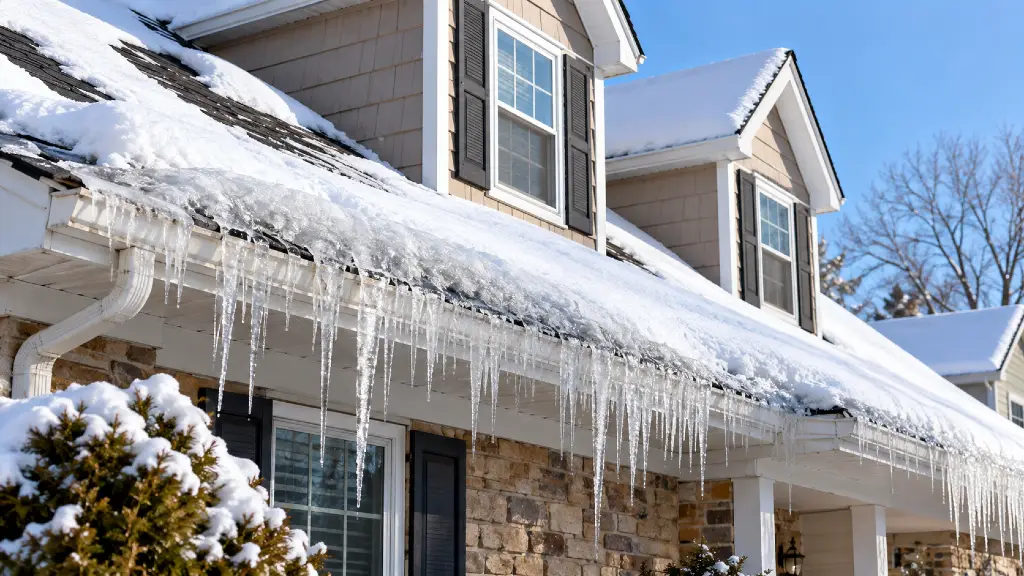
Your roof has an important job: protecting everything inside your home from rain, wind, snow, ice, and other weather. By the time fall arrives, your roof may have already endured months of summer heat, storms, strong winds, and heavy rain.
Before winter adds another round of challenging weather, fall is a good time to look for signs of damage and address small problems before they become expensive repairs.
You don’t necessarily need to climb onto your roof to perform a basic inspection. In fact, homeowners should avoid walking on steep, wet, or damaged roofs. Many important problems can be spotted safely from the ground, attic, or upper windows.
Use this fall roof inspection checklist to identify potential problems and decide when it’s time to call a roofing professional.
Quick Fall Roof Inspection Checklist
☐ 1. Look for missing or damaged shingles
☐ 2. Check for damaged or missing flashing
☐ 3. Inspect areas around chimneys and vents
☐ 4. Look for signs of water damage inside your attic
☐ 5. Check for sagging areas
☐ 6. Look for moss, algae, or excessive debris
☐ 7. Inspect roof edges and soffits
☐ 8. Check gutters and roof drainage
☐ 9. Look for signs of storm damage
☐ 10. Know when to call a roofing professional
Let’s take a closer look at each one.
1. Look for missing or damaged shingles
Shingles can become damaged or displaced by high winds, falling branches, severe weather, and years of exposure to the elements.
From the ground, use binoculars if necessary and look for:
- Missing shingles
- Cracked shingles
- Curling or buckling shingles
- Shingles that appear loose
- Large areas with missing granules
- Uneven sections of the roof
You may also find pieces of roofing material in your yard after a major storm.
Don’t assume a small area of damage is harmless. A missing or damaged shingle can create an opportunity for water to reach the roof deck underneath.
If you see damaged shingles, have the area evaluated rather than waiting until winter weather exposes the problem.
2. Check for damaged or missing flashing
Roof flashing is used around areas where the roof meets other structures or penetrations, helping keep water from getting inside.
Common locations include:
- Chimneys
- Roof valleys
- Skylights
- Vents
- Roof edges
- Areas where different roof sections meet
Flashing can loosen, crack, corrode, or deteriorate over time.
Some flashing problems are difficult to see from the ground, so don’t try to climb onto the roof simply to inspect a questionable area.
If you notice exposed, bent, loose, or damaged flashing, have a roofing professional take a closer look.
3. Inspect areas around chimneys and roof vents
Roof penetrations deserve special attention because they’re potential pathways for water to enter your home.
If your home has a chimney, plumbing vents, exhaust vents, skylights, or other roof penetrations, inspect the surrounding areas from a safe location.
Look for:
- Damaged materials
- Missing flashing
- Cracks
- Gaps
- Signs of water staining
- Loose components
If you have a chimney, also check the visible chimney structure for obvious deterioration.
A problem around a roof penetration may not cause an obvious leak until heavy rain, snow, or ice arrives.
4. Look for signs of water damage in your attic
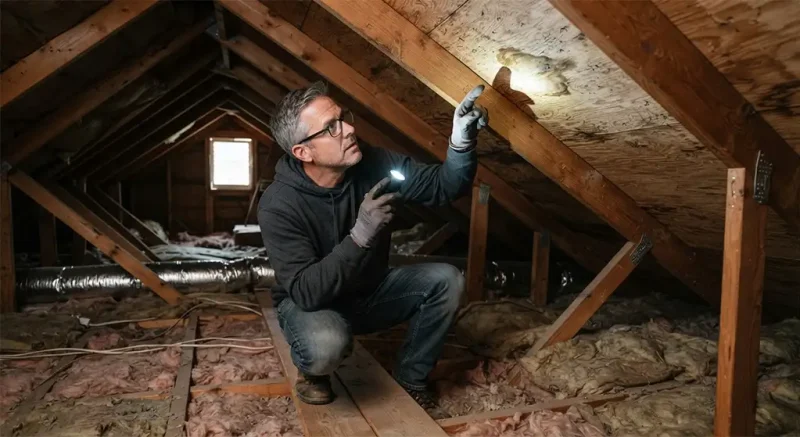
Some roof problems are easier to find from inside your home than from outside.
If your home has an accessible attic, look for signs that water may have entered through the roof.
Check for:
- Water stains
- Darkened wood
- Damp insulation
- Mold or mildew
- Musty odors
- Discoloration around roof penetrations
- Evidence of previous leaks
Don’t assume an old water stain means the problem is gone. The source may have been repaired, but it could also still be active.
If you find signs of moisture, determine where the water is coming from before simply replacing damaged materials.
5. Check for sagging areas
A roof should generally have a consistent appearance.
If you notice a section that appears to sag, dip, or bow, it deserves immediate attention.
Sagging can have several possible causes, including moisture damage or structural problems.
This is not a DIY repair.
Don’t climb onto a roof that appears structurally compromised. Instead, contact a qualified roofing professional or appropriate structural specialist for an evaluation.

6. Look for moss, algae, or excessive debris
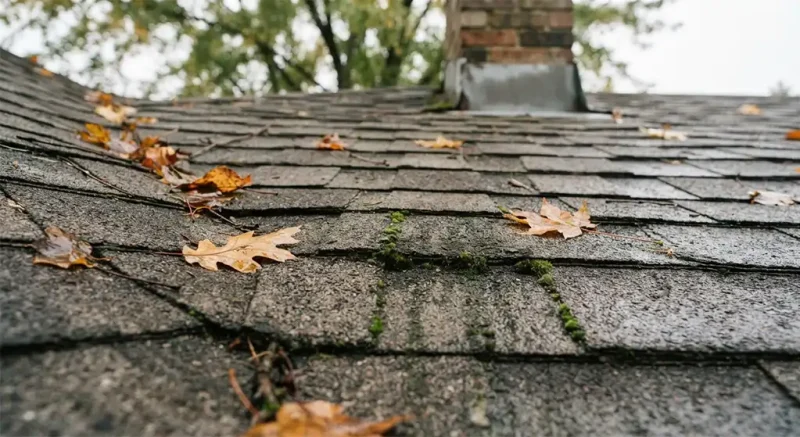
Moss and algae are common on some roofs, particularly in areas with shade and moisture.
A small amount of surface growth doesn’t necessarily mean your roof is failing, but extensive growth deserves attention.
Also look for:
- Leaves
- Pine needles
- Branches
- Dirt
- Accumulated debris
Debris can hold moisture against roofing materials and may also block drainage pathways.
Never pressure-wash your roof without knowing that the roofing material and manufacturer’s recommendations permit it. Aggressive cleaning methods can damage some roofing systems.
If significant moss or debris has accumulated, ask a roofing professional about the safest cleaning approach.
7. Inspect roof edges and soffits
The edges of your roof deserve attention because they’re exposed to weather and connect with other parts of your home’s exterior.
From the ground, inspect the visible roof edges and look for:
- Damaged fascia
- Rotting wood
- Peeling paint
- Gaps
- Loose materials
- Signs of water staining
Also take a look at your soffits and exterior vents.
Make sure ventilation openings aren’t blocked by leaves, nests, or other debris.
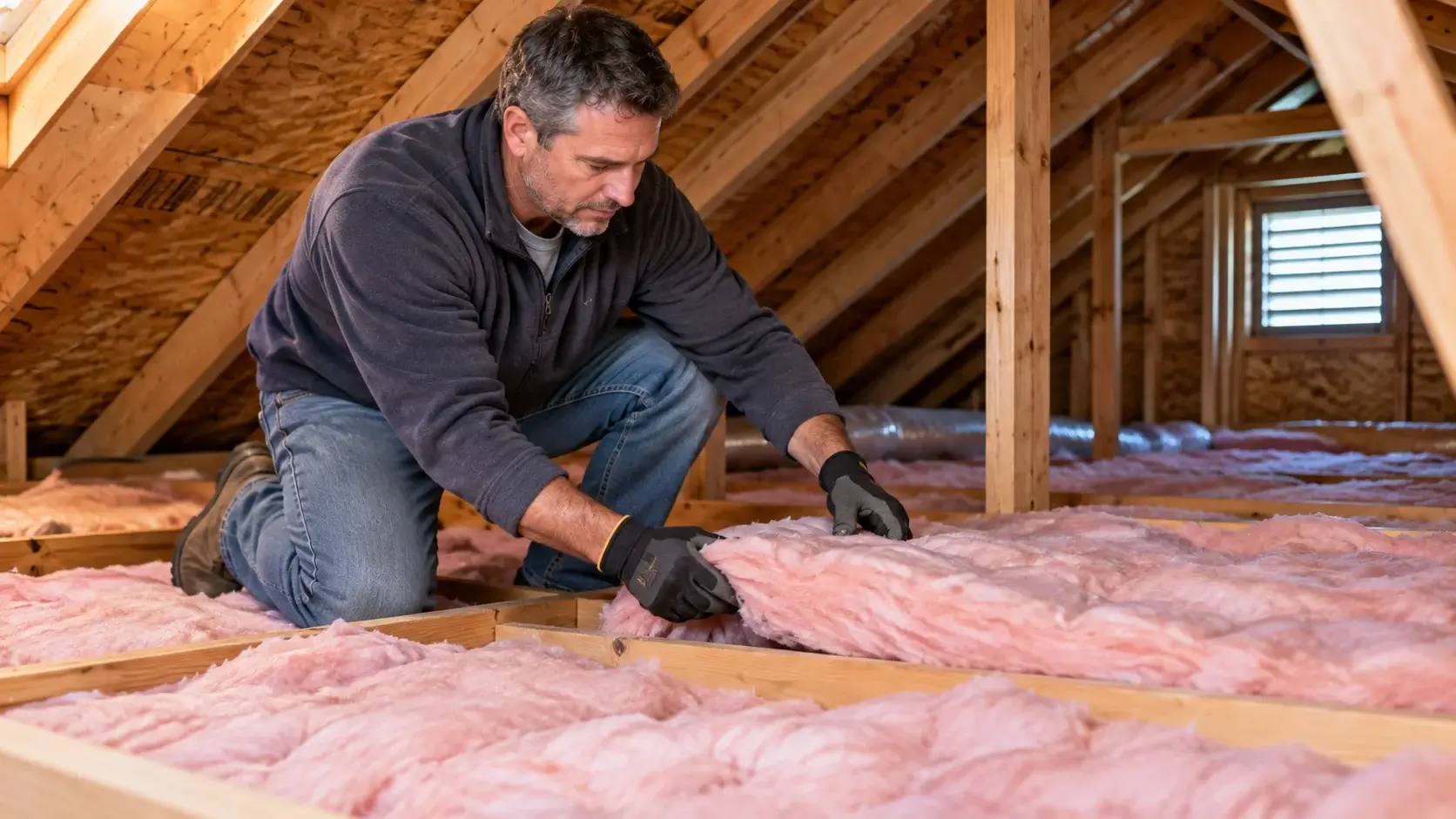
Your attic ventilation system needs both appropriate airflow and adequate insulation. Don’t cover ventilation openings simply because you’re trying to add insulation.
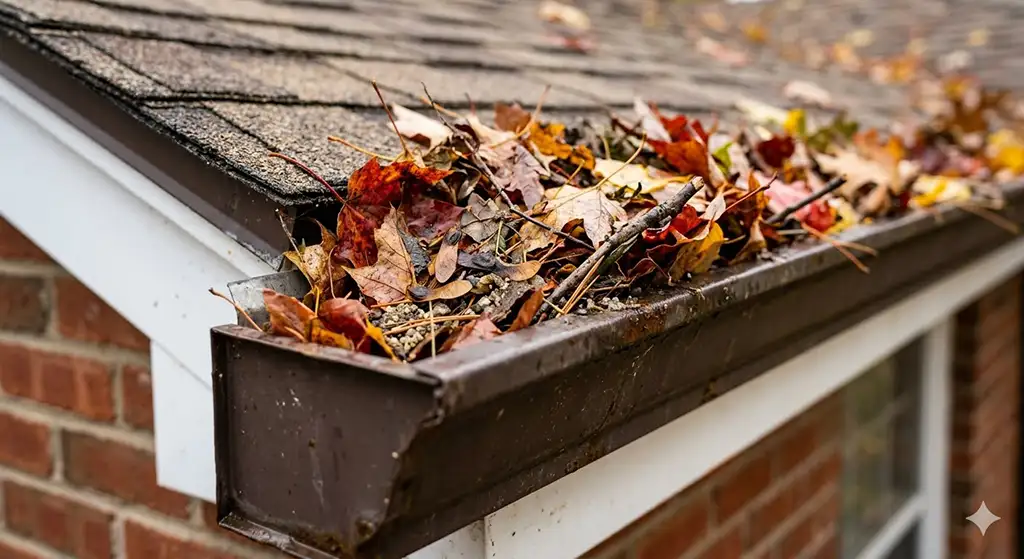
8. Check gutters and roof drainage
Your gutters are an important part of your roof drainage system.
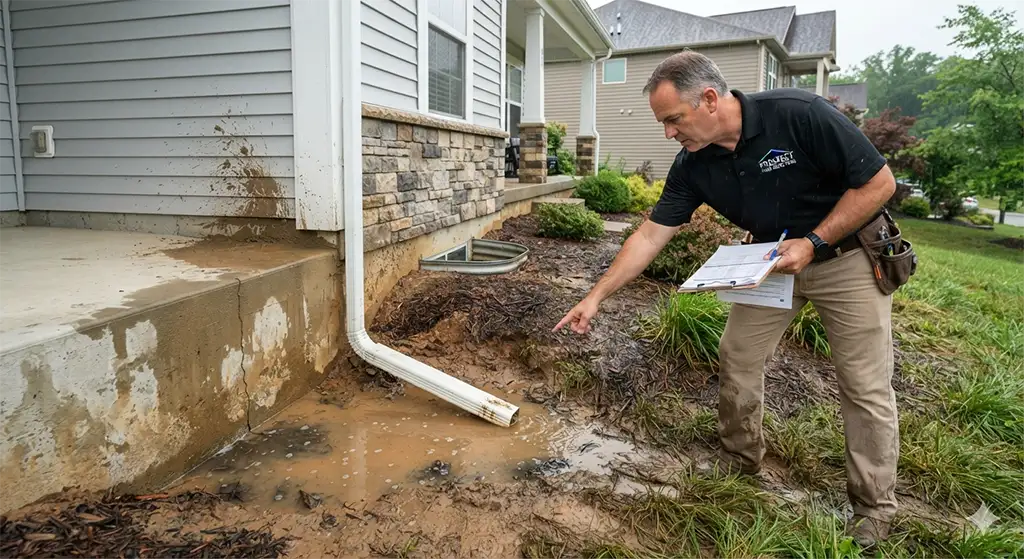
During your fall roof inspection, make sure gutters and downspouts aren’t visibly blocked, damaged, or pulling away from the house.
Look for:
- Leaves and debris
- Sagging gutters
- Loose sections
- Damaged downspouts
- Water stains
- Separation at joints
Also make sure downspouts direct water away from the foundation.
For detailed gutter maintenance information, see our Seasonal Gutter Maintenance guide.
And if you’re already working through your seasonal preparations, don’t forget our comprehensive Fall Home Maintenance Checklist: 25 Essential Tasks Every Homeowner Should Complete.
9. Look for signs of storm damage
Summer storms can leave roof damage that isn’t immediately obvious.
After a major storm, look around your property for clues.
You may find:
- Shingles in the yard
- Broken branches on the roof
- Damaged flashing
- Dented or cracked roofing materials
- Damaged gutters
- Loose exterior materials
Hail can be particularly difficult to identify from the ground.
If you suspect your roof has experienced storm damage, have it professionally inspected.
Don’t wait until the next major storm exposes a weakness that could have been repaired earlier.
10. Know when to call a Roofing Professional
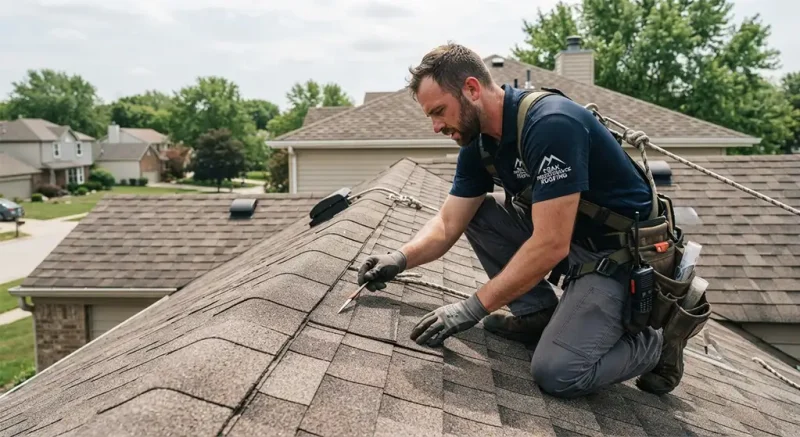
A roof inspection doesn’t mean homeowners need to diagnose every problem themselves.
Your job is to spot potential problems and determine whether further evaluation is needed.
Call a qualified roofing professional if you notice:
- Missing or extensively damaged shingles
- Significant leaks
- Sagging
- Damaged flashing
- Serious storm damage
- Extensive moss or deterioration
- Water damage in the attic
- Structural concerns
- A roof approaching the end of its expected service life
Professional inspections are especially important when the problem is difficult to see from the ground.
Safety First
Don’t climb onto a roof simply because you want a closer look.
Wet leaves, steep slopes, loose shingles, and damaged roofing materials can make roofs extremely dangerous.
A professional roofer has the equipment and experience to inspect difficult areas more safely.
How often should you inspect your roof?
There’s no single inspection schedule that applies to every home.
Your roof’s age, material, climate, exposure to storms, nearby trees, and previous repairs all affect how often it should be evaluated.
At a minimum, homeowners should make a habit of visually checking their roof and exterior periodically, particularly after significant storms.
Fall is an especially useful time because it gives you an opportunity to address problems before winter weather arrives.
If your roof is older or you’ve experienced recurring leaks, a professional inspection may be worthwhile.
What does a Professional Roof Inspection look for?
A professional roofer can examine areas that homeowners may not be able to safely reach.
Depending on the roof and inspection, a professional may evaluate:
- Shingles or other roofing materials
- Flashing
- Roof valleys
- Vents
- Chimneys
- Skylights
- Gutters
- Fascia
- Soffits
- Signs of water intrusion
- General roof condition
The goal isn’t necessarily to convince you to replace your roof.
A good inspection should help you understand the condition of your existing roof and identify repairs that may be needed.
Should you repair your roof before winter?
If your inspection reveals damage, don’t automatically assume you need a complete roof replacement.
Some problems can be addressed with relatively small repairs.
The appropriate solution depends on:
- The type of damage
- The age of the roof
- The extent of the problem
- The roofing material
- Previous repairs
- The overall condition of the roof
A qualified roofing contractor can explain whether a repair is appropriate or whether more extensive work should be considered.
Getting an evaluation in the fall also gives you time to make an informed decision instead of dealing with an emergency leak during a winter storm.
Fall Roof Inspection: DIY or Hire a Professional?
Homeowners can safely do a basic visual inspection by:
- Looking at the roof from the ground
- Using binoculars
- Checking accessible attic areas
- Looking for water stains
- Inspecting gutters from a safe location
- Looking for debris around the property
- Checking for obvious storm damage
Hire a professional for:
- Walking on the roof
- Roof repairs
- Detailed flashing inspections
- Structural concerns
- Significant leaks
- Storm-damage assessment
- Difficult-to-reach areas
- Roof replacement evaluations
There’s no prize for doing a dangerous home maintenance task yourself.
The best DIY homeowners know when a project has reached the point where professional expertise is the safer and smarter choice.
Frequently asked questions:
Yes. Fall is a useful time to inspect your roof because it allows homeowners to identify and address problems before winter brings snow, ice, freezing temperatures, and additional storms.
You can perform a basic visual inspection from the ground and inspect accessible areas of your attic. However, homeowners should avoid walking on steep, wet, or damaged roofs.
A professional should handle difficult or potentially dangerous inspections.
Common warning signs include missing or damaged shingles, leaks, water stains in the attic, damaged flashing, sagging areas, extensive moss or deterioration, and visible storm damage.
Not necessarily. A damaged roof doesn’t automatically mean the entire roof needs to be replaced.
A qualified roofing professional can determine whether repairs are sufficient or whether the roof is approaching the end of its useful life.
Don’t ignore it. Contact a qualified roofing professional to identify the source and determine the appropriate repair. If water is entering your home, address the interior damage and protect affected areas while waiting for the source to be repaired.
Use a ground-level visual inspection and binoculars. Look for missing shingles, unusual dips, damaged flashing, debris, moss, and other obvious problems.
You can also inspect the accessible portions of your attic for signs of moisture.
Final thoughts on fall roof inspection
A fall roof inspection doesn’t have to be complicated.
Taking a few minutes to look at your roof, gutters, attic, and exterior can help you spot warning signs before winter weather makes them harder or more expensive to address.
The most important thing is to stay safe. Homeowners can identify many potential problems without climbing onto the roof, and there’s no reason to risk a fall when a qualified roofing professional can perform a detailed inspection.
If you do discover a problem, addressing it before winter arrives can give you peace of mind and help protect your home from water damage during the months ahead.
Need to find a Roofing Professional?
Found something concerning during your fall roof inspection?
The HelpHouse Contractor Directory can help you find roofing professionals for inspections, repairs, maintenance, and other roofing projects.
Find a local roofing contractor in the expanding HelpHouse Contractor Directory and get your roof ready for the season ahead.
More Fall home maintenance help
Start with the complete seasonal guide:
Fall Home Maintenance Checklist: 25 Essential Tasks Every Homeowner Should Complete
Then continue preparing your home for colder weather with:
How to Prepare Your Home for Colder Weather: 15 Things to Do Before Winter
When Should You Clean Your Gutters? A Homeowner’s Fall Guide
How to Winterize Outdoor Faucets Before Freezing Weather
How to Seal Drafty Windows and Doors Before Winter
More Fall and Winter homeowner guides are coming soon:
- How to Prepare Your Furnace Before Cold Weather
- How to Prevent Frozen Pipes This Winter
Are you a contractor?
Help homeowners find your business by listing your company in the HelpHouse Contractor Directory.