Originally published September 7, 2023. This Fall Home Maintenance Checklist has been completely updated and expanded to include 25 essential tasks to help homeowners prepare their homes for cooler weather.
Fall is the perfect time to take care of the maintenance tasks that protect your home before colder weather arrives. From cleaning gutters and checking your roof to preparing your heating system and protecting outdoor plumbing, a little preparation now can help prevent expensive problems later.
You don’t have to complete everything in one weekend. Some tasks take only a few minutes, while others may require a professional. The important thing is to identify potential problems while the weather is still relatively mild and there is plenty of time to make repairs.
Use this fall home maintenance checklist as your guide to getting your home ready for autumn and the colder months ahead.
Originally published September 7, 2023 | Updated August 2026
This Fall Home Maintenance Checklist has been completely updated and expanded from 8 to 25 essential tasks to give homeowners a more comprehensive guide to preparing their homes for fall and winter.
Quick Fall Home Maintenance Checklist
Before diving into the details, here’s a quick list of all 25 tasks:
☐ 1. Clean and Inspect Your Gutters
☐ 2. Check Your Roof for Damage
☐ 3. Inspect Chimneys and Fireplaces
☐ 4. Service Your Heating System
☐ 5. Replace Your HVAC Filter
☐ 6. Test Your Thermostat
☐ 7. Seal Drafty Windows
☐ 8. Check Exterior Doors and Weatherstripping
☐ 9. Inspect Your Home’s Exterior
☐ 10. Check the Foundation for Cracks
☐ 11. Protect Outdoor Faucets and Hose Bibs
☐ 12. Drain and Store Garden Hoses
☐ 13. Inspect and Clean Your Dryer Vent
☐ 14. Test Smoke and Carbon Monoxide Detectors
☐ 15. Inspect Attic Insulation and Ventilation
☐ 16. Check Your Attic and Basement for Moisture
☐ 17. Trim Trees and Remove Dangerous Branches
☐ 18. Prepare Your Lawn for Winter
☐ 19. Clean and Store Outdoor Furniture
☐ 20. Prepare Outdoor Power Equipment
☐ 21. Check Walkways, Steps and Railings
☐ 22. Inspect Driveways and Walkways
☐ 23. Check Exterior Lighting
☐ 24. Prepare for Snow and Ice
☐ 25. Review Your Home Emergency Supplies
Ready to get started? Work through the checklist below for helpful tips and details about each task.
1. Clean and Inspect Your Gutters
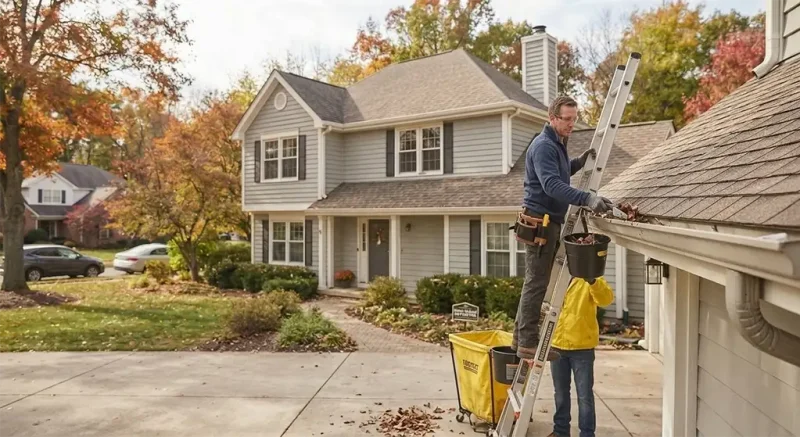
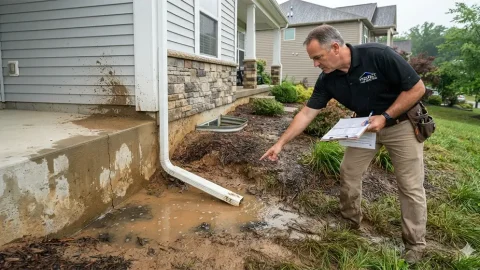
Falling leaves can quickly fill gutters and downspouts during autumn. When water can’t drain properly, it can overflow against your roof, siding, foundation, and landscaping.
Before the leaves really start coming down, clean out existing debris and inspect the entire gutter system.
Look for:
- Loose or sagging gutters
- Cracks or holes
- Loose fasteners
- Separated joints
- Clogged downspouts
- Water stains beneath the gutters
Make sure downspouts direct water several feet away from your foundation.
If your home has a second story or difficult-to-reach gutters, consider hiring a professional rather than taking unnecessary risks with a ladder.
2. Check Your Roof for Damage
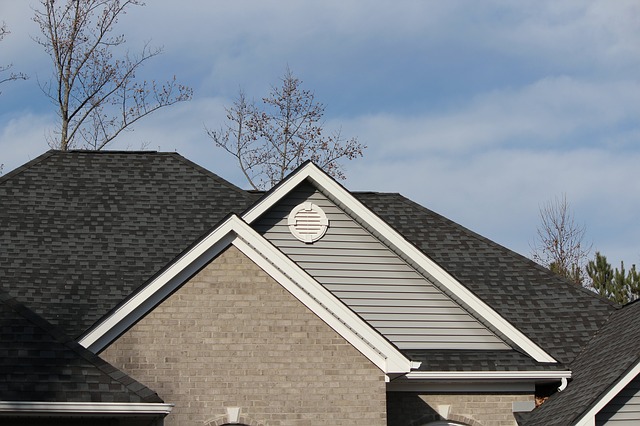
Fall is a good time to inspect your roof before winter weather makes repairs more difficult.
You don’t necessarily need to climb onto the roof. From the ground, look for obvious problems such as:
- Missing or damaged shingles
- Sagging areas
- Damaged flashing
- Excessive moss or algae
- Debris collecting on the roof
- Damaged vents
If you notice something that doesn’t look right, have a qualified roofing professional inspect it.
A small roof problem can become a much larger—and more expensive—problem after weeks of rain, wind, ice, and snow.
Important safety tip
Roof inspections can be dangerous. Homeowners should avoid walking on steep or wet roofs and leave difficult inspections and repairs to professionals.
3. Inspect Chimneys and Fireplaces
If you have a wood-burning fireplace or stove, fall is the time to make sure it’s ready before you light your first fire.
Have the chimney inspected periodically by a qualified professional and cleaned when necessary. Creosote and other deposits can accumulate inside a chimney and create a serious fire hazard.
Also check that:
- The damper opens and closes properly.
- The fireplace or stove has no obvious damage.
- The chimney cap is intact.
- The area around the fireplace is clear of combustible materials.
If you use your fireplace frequently, professional inspection and cleaning may be especially important.
4. Service Your Heating System
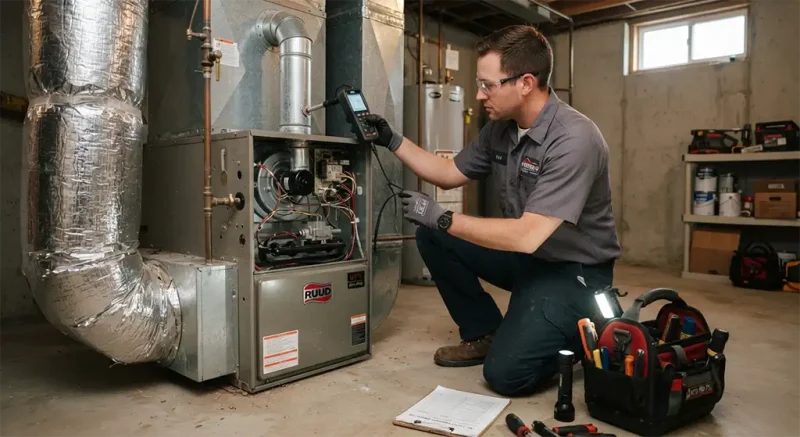
Your heating system may have been sitting mostly unused for months. Don’t wait until the first freezing night to discover that the furnace isn’t working properly.
Before heating season begins, consider scheduling professional HVAC maintenance.
A technician can inspect the system, check its operation, identify worn components, and make sure it is ready for the demands of winter.
This is particularly important if your furnace is older or has experienced problems in previous years.
Need a Heating Professional?
Find HVAC contractors in the HelpHouse Contractor Directory who can inspect and service your home’s heating system before cold weather arrives.
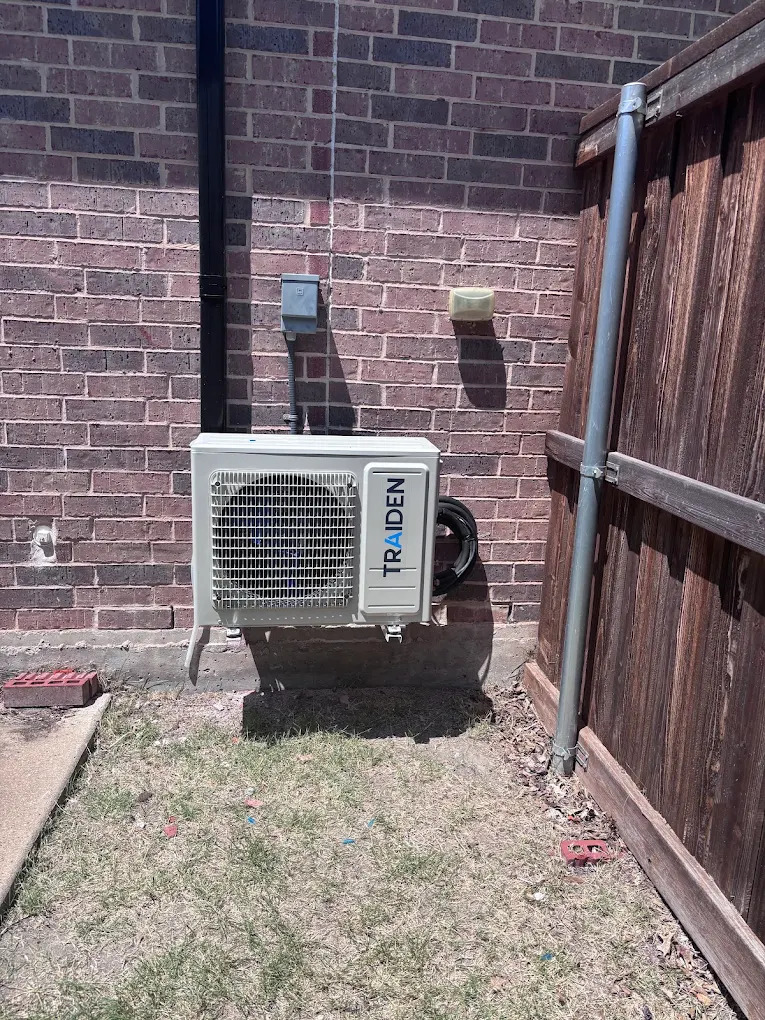

5. Replace Your HVAC Filter
Your heating and cooling system relies on good airflow.
A dirty filter can restrict airflow and make the system work harder than necessary. Check your HVAC filter and replace it according to the manufacturer’s recommendations.
Depending on your HVAC system and the type of filter you use, replacement intervals can vary.
Don’t assume that changing it once a year is enough.
A clean filter can help:
- Maintain proper airflow
- Improve system efficiency
- Protect HVAC components
- Improve indoor air quality
If you’re unsure where your filter is located, check your HVAC owner’s manual or ask a professional.
6. Test Your Thermostat
Before you need your heating system every day, test your thermostat.
Turn the heat on and make sure the system responds appropriately.
Check that:
- The thermostat displays correctly.
- The heating system starts when expected.
- Warm air comes from the supply vents.
- The system shuts off when the desired temperature is reached.
If your thermostat is old or unreliable, fall can also be a good time to consider upgrading to a programmable or smart thermostat.
A programmable thermostat can automatically adjust your home’s temperature according to your daily schedule, potentially reducing unnecessary energy use.
7. Seal Drafty Windows
Cold air can enter through small gaps around older or poorly sealed windows.
Before temperatures drop, inspect your windows for damaged caulk, worn seals, or noticeable drafts.
Depending on the problem, you may be able to improve the seal with:
- New caulk
- Weatherstripping
- Window film
- Interior or exterior sealant
Don’t overlook basement and attic windows, which can also contribute to drafts.
Sealing air leaks can make your home more comfortable and reduce the amount of work your heating system has to do.
8. Check Exterior Doors and Weatherstripping
Doors are another common source of air leaks.
Inspect the weatherstripping around exterior doors and look for visible gaps when the door is closed.
Check the bottom of the door as well. A worn or damaged door sweep can allow cold air, insects, and moisture to enter.
Replacing worn weatherstripping is usually an inexpensive project that many homeowners can handle themselves.
If the door itself is damaged, warped, or poorly fitted, however, a professional may be needed.
9. Inspect Your Home’s Exterior
Walk around your property and look at the exterior from top to bottom.
You’re looking for small problems that could become bigger during winter.
Check:
- Siding
- Exterior trim
- Caulking
- Vents
- Hose connections
- Window frames
- Exterior doors
- Areas where utilities enter the house
Pay particular attention to places where different materials meet.
Repairing damaged caulk or exterior materials before winter can help prevent moisture from getting inside your walls.
10. Check the Foundation for Cracks
Walk around the outside of your home and inspect the visible foundation for cracks or other changes.
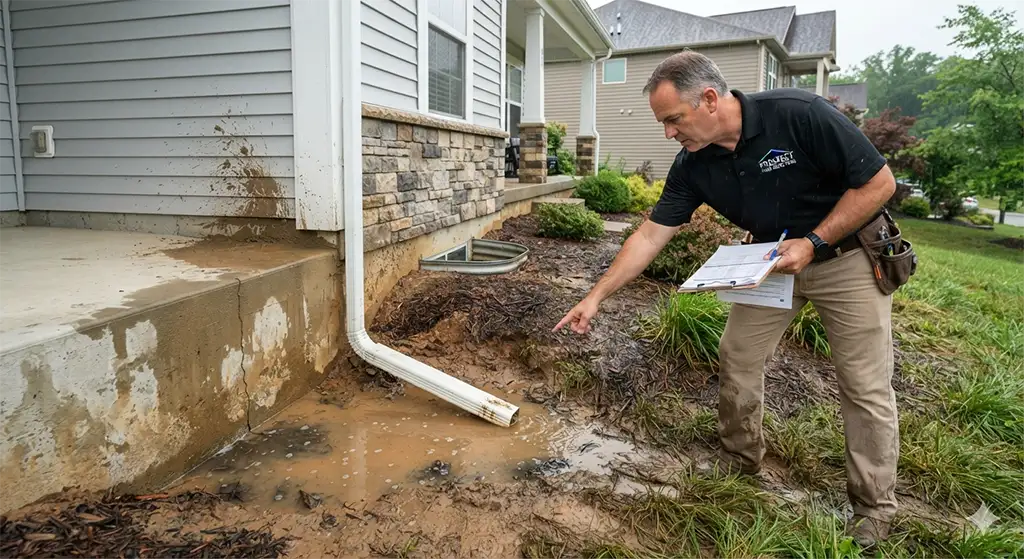
Small hairline cracks aren’t necessarily an emergency, but larger cracks, widening cracks, or cracks accompanied by water intrusion deserve professional attention.
Also look for areas where soil slopes toward your house rather than away from it.
Proper drainage helps keep rain and melting snow away from the foundation.
When should you call a professional?
If you notice significant cracking, water entering your basement, bowing walls, or other signs of structural movement, don’t simply fill the crack and forget about it. Have the problem evaluated by an appropriate professional.
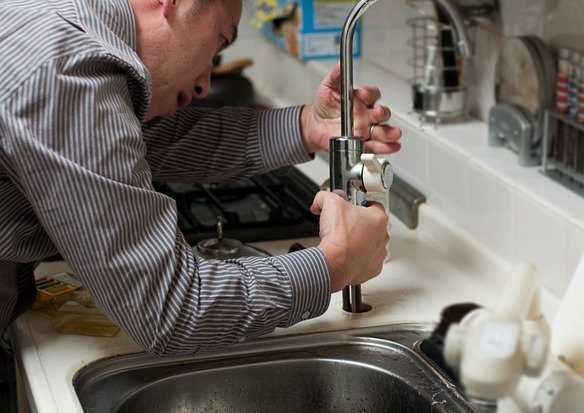
11. Protect Outdoor Faucets and Hose Bibs
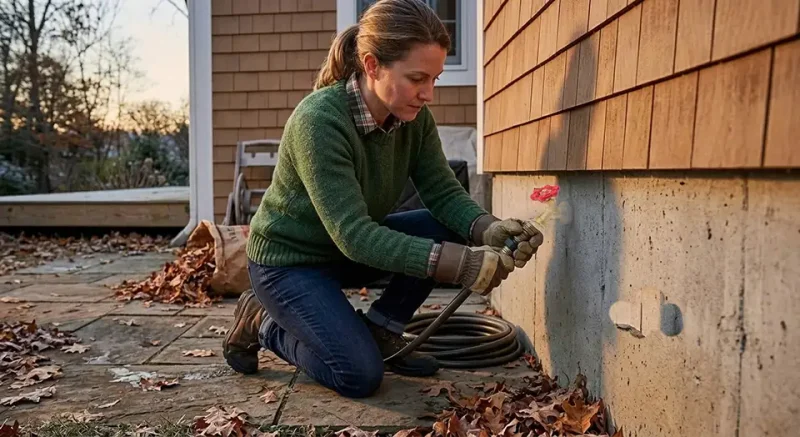
Freezing temperatures can cause water trapped inside outdoor plumbing to expand and damage pipes.
Before freezing weather arrives, disconnect hoses and follow your home’s recommended procedure for shutting down and draining exterior faucets.
If your home has frost-free hose bibs, they still need to be used and maintained properly.
Never assume that simply disconnecting a hose solves every outdoor plumbing problem.
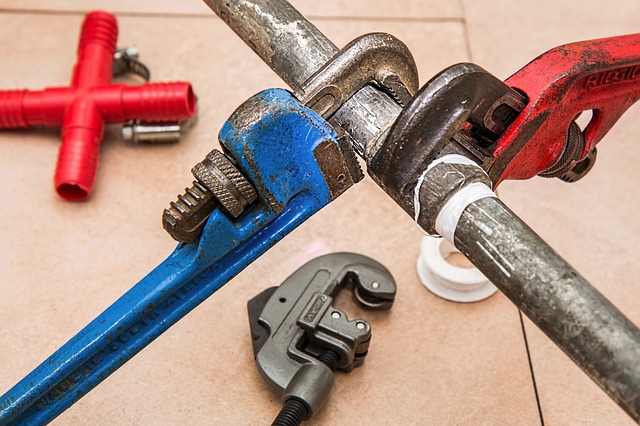
If you’re unsure how your home’s exterior water supply should be winterized, a plumber can help.
Need a Plumber?
Find local plumbing professionals in the HelpHouse Contractor Directory before freezing weather arrives.


12. Drain and Store Garden Hoses
Garden hoses can deteriorate when left outside through freezing temperatures.
Before winter:
- Disconnect each hose.
- Drain all remaining water.
- Inspect for cracks or damage.
- Coil the hose without sharp bends.
- Store it somewhere protected from freezing temperatures and direct sunlight.
While you’re at it, inspect hose reels, spray nozzles, sprinklers, and other watering equipment.
This simple task takes only a few minutes and can extend the life of your outdoor equipment.
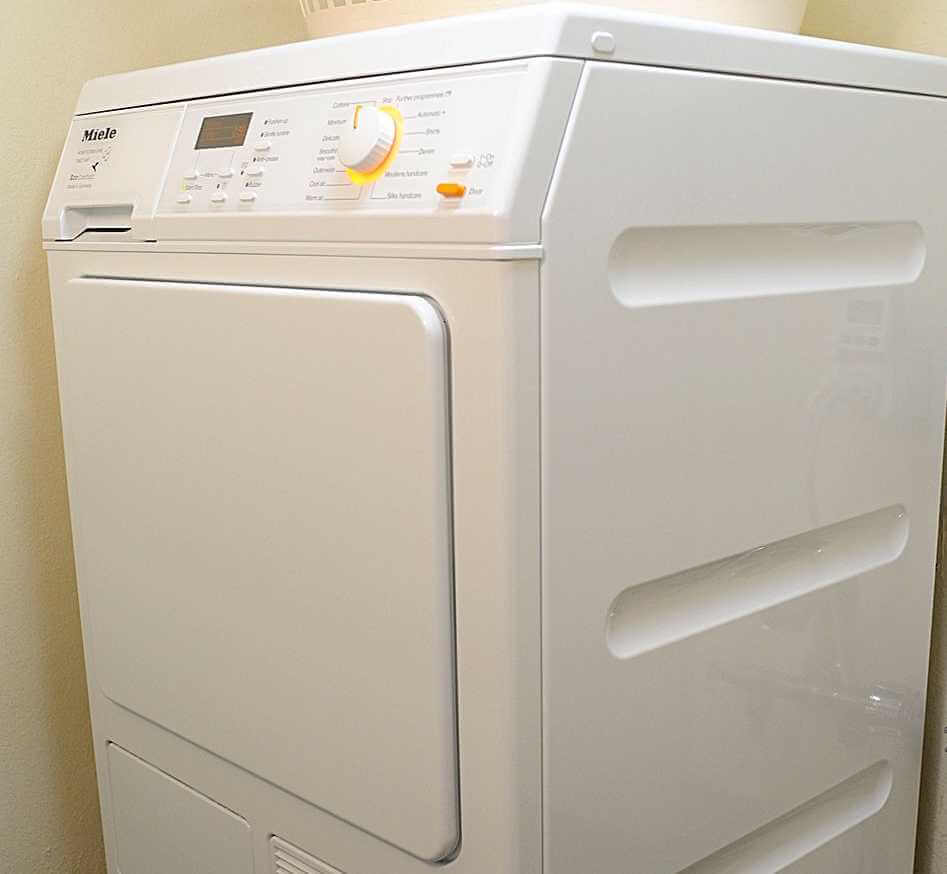
13. Inspect and Clean Your Dryer Vent
Your clothes dryer produces heat and moisture every time it operates. A clogged or restricted vent can reduce drying performance and create a serious fire hazard.
Clean the lint filter after every load and periodically inspect the dryer vent system.
Look for:
- Excessive lint
- Crushed or kinked vent hoses
- Long drying times
- Excess heat around the dryer
- Moisture accumulating in the laundry area
The exterior dryer vent should also open properly when the dryer is running.
If the vent system is difficult to access or needs a thorough cleaning, consider hiring a professional dryer vent cleaning service.
14. Test Smoke and Carbon Monoxide Detectors
Fall is an excellent time to test your home’s smoke and carbon monoxide detectors, particularly before you begin using your heating system regularly.
Press the test button on each device and replace batteries when needed.
Also check the age and condition of the detectors themselves. Follow the manufacturer’s recommendations for replacement.
Make sure detectors are installed in appropriate locations throughout the home, including near sleeping areas.
Don’t forget carbon monoxide
Carbon monoxide is an odorless, colorless gas that can be produced by fuel-burning appliances. Properly functioning carbon monoxide detectors are an important part of home safety.
15. Inspect Attic Insulation and Ventilation
Your attic plays an important role in keeping your home comfortable throughout the year.
Before winter, look for obvious signs of inadequate insulation, moisture, or ventilation problems.
You may notice:
- Bare areas where insulation is missing
- Compressed insulation
- Water stains
- Mold or moisture
- Unusual drafts
- Frost or condensation during cold weather
Don’t cover or block attic ventilation openings with insulation. Proper attic ventilation and insulation need to work together.
If you’re unsure whether your attic has adequate insulation or ventilation, consider having it evaluated by an insulation or roofing professional.
16. Check Your Attic and Basement for Moisture
Fall is a good time to look for signs of moisture before winter makes the problem worse.
In the attic, check for:
- Water stains
- Damp insulation
- Mold or mildew
- Condensation
- Damaged roof areas
In the basement or crawl space, look for:
- Standing water
- Damp walls
- Musty odors
- Water stains
- Cracks where moisture may be entering
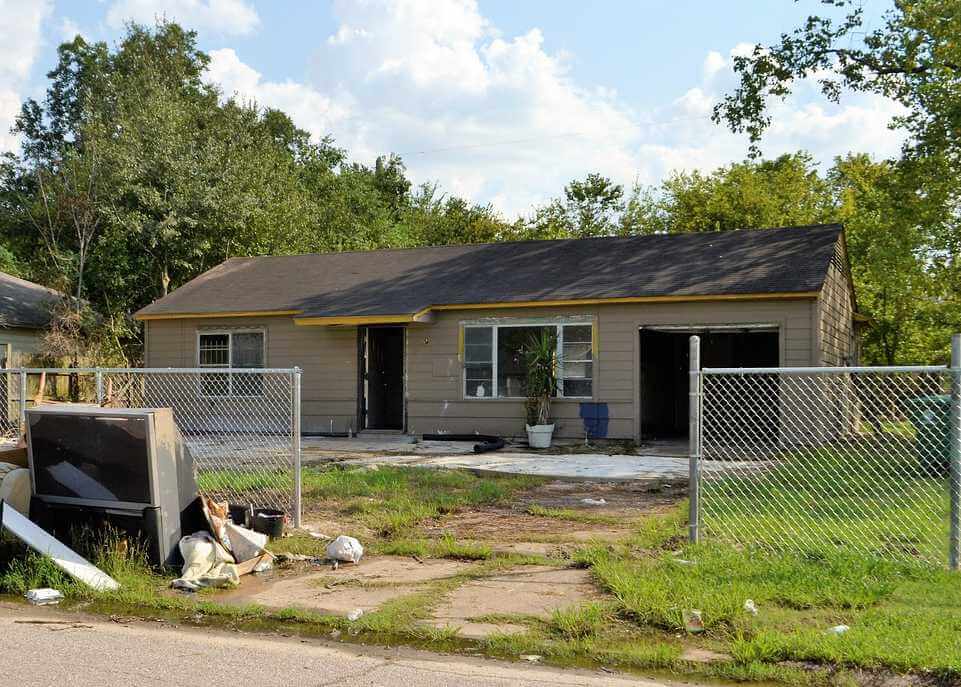
Moisture problems can lead to mold, wood damage, unpleasant odors, and expensive repairs if they’re ignored.
If you discover recurring moisture, don’t simply cover up the evidence. Try to identify and correct the source.
17. Trim Trees and Remove Dangerous Branches
Trees provide valuable shade and beauty, but dead or overhanging branches can become a serious hazard during fall and winter storms.
Inspect trees around your home for:
- Dead branches
- Broken limbs
- Branches touching the roof
- Branches hanging over power lines
- Trees leaning toward your home
Remove small, manageable branches if you know how to do so safely. Large trees and branches near power lines should be handled by qualified professionals.
Don’t wait for the first strong winter storm to discover that a dangerous branch is hanging over your roof.



18. Prepare Your Lawn for Winter
Your lawn benefits from some preparation before the growing season ends.
Depending on where you live and the type of grass you have, fall may be a good time to:
- Remove excessive leaves
- Aerate compacted soil
- Overseed thin areas
- Apply appropriate fertilizer
- Control weeds
- Continue watering until conditions require less
Don’t simply follow a one-size-fits-all lawn schedule. Grass types and local climates vary considerably.
A lawn care professional can recommend the best fall treatment for your particular yard if you’re unsure what it needs.
19. Clean and Store Outdoor Furniture
Before freezing temperatures and winter storms arrive, give your patio furniture some attention.
Clean outdoor furniture, cushions, umbrellas, and other accessories before storing them.
Depending on your furniture and climate, you may be able to:
- Store cushions indoors
- Cover furniture
- Move lightweight furniture into a garage or shed
- Clean and dry outdoor fabrics
- Secure larger pieces against strong winds
Proper storage helps prevent weather damage and makes it easier to enjoy your outdoor furniture again next spring.
20. Prepare Outdoor Power Equipment
Fall is also a good time to prepare lawn and garden equipment for its off-season.
Depending on the equipment, tasks may include:
- Cleaning grass and dirt from equipment
- Sharpening mower blades
- Checking cords and electrical connections
- Storing equipment in a dry location
- Following the manufacturer’s instructions for fuel and battery storage
For gasoline-powered equipment, always follow the manufacturer’s storage recommendations rather than assuming every machine should be handled the same way.
Battery-powered equipment should also be stored according to the battery manufacturer’s instructions.
21. Check Walkways, Steps and Railings
Shorter days, rain, fallen leaves, and eventually snow and ice can make outdoor walking surfaces more hazardous.
Walk around your property and inspect:
- Front steps
- Back steps
- Porches
- Deck stairs
- Handrails
- Walkways
- Driveway edges
Look for loose boards, unstable railings, cracks, uneven surfaces, and other trip hazards.
Repair problems before freezing weather arrives.
Keeping walkways clear of leaves is also important once autumn is fully underway because wet leaves can become surprisingly slippery.
22. Inspect Driveways and Walkways
Small cracks in concrete and asphalt can become larger problems when water gets inside and freezes.
Walk around your driveway and walkways looking for:
- Cracks
- Potholes
- Uneven sections
- Loose surfaces
- Areas where water collects
Depending on the material and severity of the damage, minor repairs may be possible before winter.
Also check drainage around paved surfaces. Water should have a way to move away rather than collecting against your home.
23. Check Exterior Lighting
As the days get shorter, exterior lighting becomes more important.
Walk around your property after dark and make sure important areas are adequately illuminated.
Check:
- Front entrances
- Walkways
- Driveways
- Steps
- Side entrances
- Garage areas
Replace burned-out bulbs and clean dirty fixtures.
Motion-activated lights can also improve visibility around entrances and other areas of the property.
Good exterior lighting isn’t just convenient—it can make it easier for your family and visitors to safely navigate your property during dark fall and winter evenings.
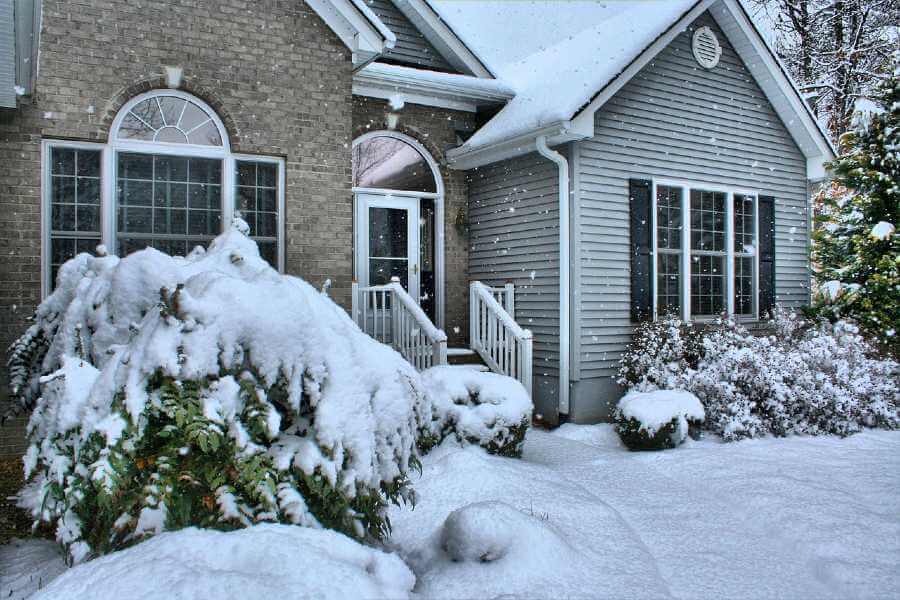
24. Prepare for Snow and Ice
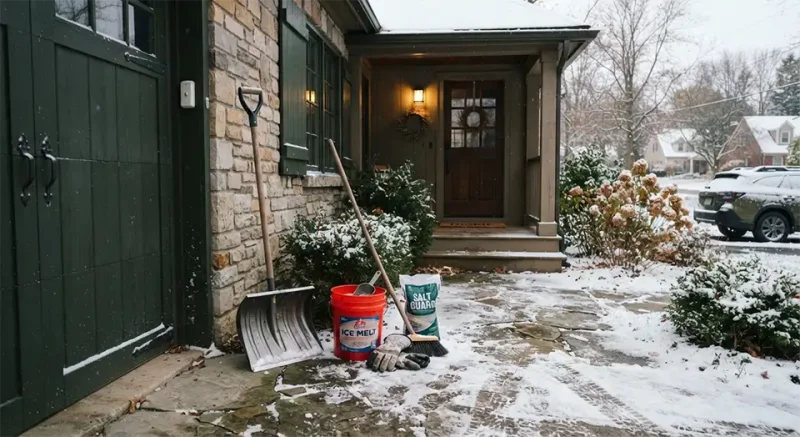
Even if snow is still months away, fall is the right time to make sure you’re prepared for the first winter storm.
Check your winter equipment and make sure you have what you need, such as:
- Snow shovel
- Ice scraper
- Appropriate ice-melting products
- Winter work gloves
- Flashlights
- Fresh batteries
- Emergency supplies
If you use a snow blower, inspect it before the first storm rather than waiting until several inches of snow are already on the ground.
Also make sure you know where your main water shutoff is located in case of a plumbing emergency.
25. Review Your Home Emergency Supplies
The final item on your fall checklist is one homeowners sometimes overlook.
Winter weather can cause power outages, blocked roads, heating failures, and other unexpected problems.
Take a few minutes to check your emergency supplies.
Consider keeping easily accessible:
- Flashlights
- Fresh batteries
- Portable phone chargers
- First-aid supplies
- Bottled water
- Nonperishable food
- Blankets
- Basic tools
- Emergency contact information
You don’t need to turn your home into a bunker. The goal is simply to make sure your family has basic supplies available if bad weather temporarily prevents you from leaving home or causes a power outage.
Which Fall Maintenance Tasks Can You DIY?
One of the biggest questions homeowners face is knowing which projects they can safely handle themselves and when it’s time to call a professional.
Good DIY projects for many homeowners include:
- Replacing HVAC filters
- Testing smoke and carbon monoxide detectors
- Replacing weatherstripping
- Cleaning accessible gutters from a safe location
- Storing garden hoses
- Cleaning outdoor furniture
- Checking exterior lighting
- Preparing basic emergency supplies
- Inspecting visible areas of the home
Consider hiring a professional for:
- Roof repairs
- Chimney inspections and cleaning
- Furnace or HVAC servicing
- Significant plumbing problems
- Large tree removal
- Electrical work
- Foundation concerns
- Difficult or high roof/gutter work
- Major insulation projects
Never take unnecessary risks simply to save money on a maintenance project. Ladders, roofs, electrical systems, gas appliances, and large trees can all present serious hazards.
When Should You Start Your Fall Home Maintenance?
You don’t have to wait until the leaves are completely gone to begin.
In many parts of the country, late summer through early fall is a good time to start working through your checklist.
A simple approach is to divide the tasks into groups:
Late Summer
- Schedule HVAC service
- Inspect the roof
- Check gutters
- Inspect exterior caulking
- Check windows and doors
- Inspect trees
- Check outdoor plumbing
Early Fall
- Clean gutters
- Prepare the lawn
- Store summer equipment
- Test smoke and carbon monoxide detectors
- Check heating system
- Inspect attic and basement
- Prepare emergency supplies
Before Freezing Weather
- Disconnect garden hoses
- Winterize outdoor faucets
- Check walkways and railings
- Prepare snow equipment
- Complete necessary exterior repairs
Getting started early gives you time to address problems before contractors become busy and before cold weather makes outdoor work more difficult.
Common fall home maintenance tasks include cleaning gutters, inspecting the roof, servicing your heating system, sealing drafts, protecting outdoor plumbing, checking smoke and carbon monoxide detectors, preparing your lawn, and getting your home ready for winter weather.
This checklist covers 25 tasks to help homeowners work through those preparations systematically.
There’s no single month that works for every location. In many areas, September and October are popular times for fall maintenance, but homeowners in colder climates may want to start earlier.
The important thing is to complete weather-sensitive projects before freezing temperatures arrive.
Yes. Fallen leaves and other debris can block gutters and downspouts, preventing rainwater from draining properly.
Many homes benefit from checking gutters more than once during autumn, particularly when surrounded by trees.
Regular professional maintenance is recommended for many heating systems, and fall is a convenient time to have the system checked before heavy use begins.
Your equipment manufacturer’s recommendations should also be followed.
Start by inspecting the roof, gutters, windows, doors, exterior plumbing, heating system, insulation, and foundation. Then address any problems before freezing temperatures, snow, and ice arrive.
Disconnect garden hoses and follow your home’s recommended procedure for draining or shutting off exterior water supplies. If you’re unsure whether your outdoor plumbing is properly protected against freezing, contact a plumber.
Yes. Fall is a good opportunity to inspect your attic for missing or damaged insulation, moisture problems, and ventilation issues before winter.
Final Fall Home Maintenance Thoughts
Fall is more than a season for changing leaves and cooler temperatures—it’s an important transition period for your home.
Taking care of routine maintenance now can help prevent small problems from becoming expensive repairs when winter weather arrives. Cleaning gutters, checking the roof, preparing your heating system, sealing drafts, protecting outdoor plumbing, and inspecting your home’s exterior are all worthwhile ways to prepare.
You don’t have to complete all 25 tasks at once. Work through the checklist a little at a time and prioritize anything that could affect your home’s safety, heating, plumbing, roof, or protection from water.
A few hours of maintenance this fall could save you considerably more time, money, and frustration later.
Need Help With Your Fall Home Maintenance?
Some fall maintenance projects are easy DIY jobs, while others are better left to experienced professionals.
If your home needs HVAC service, roof repairs, gutter cleaning, plumbing work, tree service, insulation, or other maintenance, visit the HelpHouse Contractor Directory to find local professionals who can help with your next project.
Find a contractor for your fall home maintenance project today.
Continue Exploring HelpHouse
As you prepare your home for the changing seasons, these guides may also help:
- HVAC Tips for Homeowners in the Summer
- Summer Home Maintenance Checklist: 25 Essential Tasks Every Homeowner Should Complete
- How to Keep Your House Cool Without Lowering the Thermostat
- Why Is My Upstairs Always Hot in the Summer?
- Best Thermostat Settings for Summer
- Summer Energy Saving Tips That Actually Work
Watch for …
- How to Prepare Your Home for Colder Weather
- When Should You Clean Your Gutters?
- How to Winterize Outdoor Faucets Before Freezing Weather
- How to Prepare Your Furnace for Winter
- Fall Roof Inspection Checklist for Homeowners
Are you a contractor?
Help homeowners find your business by listing your company in the HelpHouse Contractor Directory.