When summer temperatures soar, your air conditioner quickly becomes one of the hardest-working appliances in your home. On the hottest days of the year, your HVAC system may run almost continuously to maintain a comfortable indoor temperature.
The good news is that a few simple maintenance tasks and smart habits can help your system cool better, lower your electric bill, and reduce the chances of an expensive breakdown during a heat wave.
The best part? Most of these HVAC tips are simple enough for any homeowner to do without special tools or technical experience.
Whether you’re trying to improve cooling performance, reduce humidity, or simply save money on energy costs, these summer HVAC tips will help you get the most from your air conditioning system.
1. Replace Your Air Filter Regularly
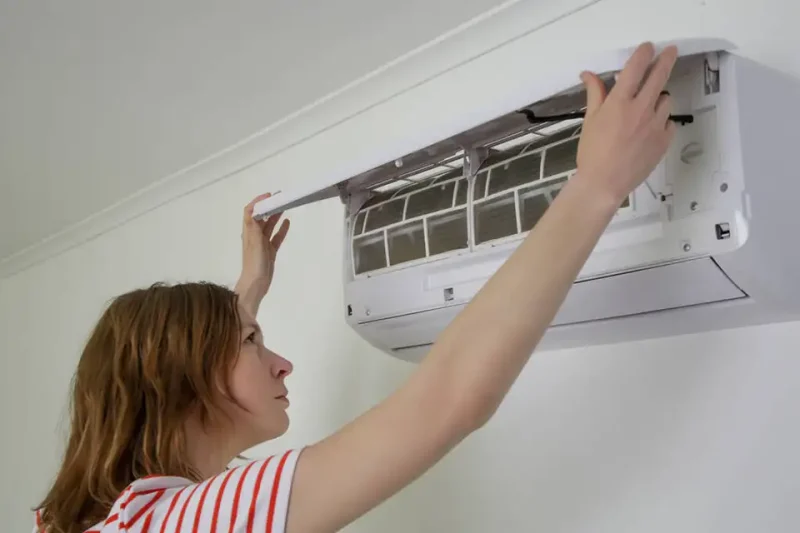
If there is one maintenance task every homeowner should perform, it’s replacing the HVAC air filter. A dirty filter restricts airflow, forcing your air conditioner to work harder than necessary.
Signs your filter needs replacing include:
- Reduced airflow from vents
- Higher electric bills
- Longer cooling cycles
- More dust around the house
- Uneven room temperatures
During summer, check your filter every month.
Homes with:
- Pets
- Smokers
- Construction dust
- Multiple occupants
may need filter replacements every 30 days.
Clean filters improve airflow, reduce wear on the blower motor, and help keep the evaporator coil cleaner.
2. Keep the Outdoor Condenser Unit Clean
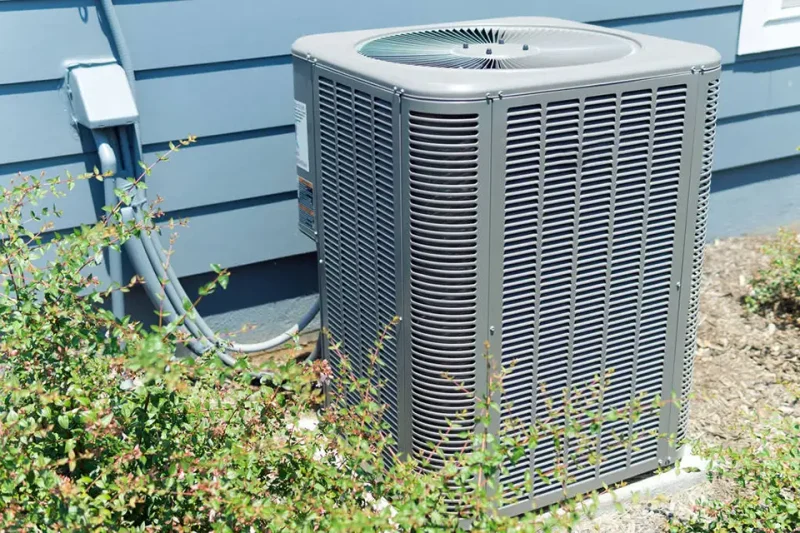
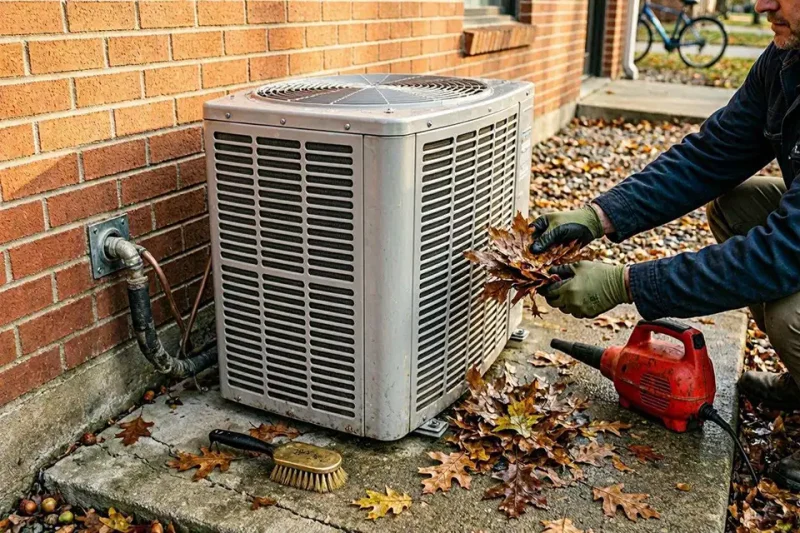
Your outdoor air conditioning unit needs room to breathe. Leaves, grass clippings, weeds, cottonwood seeds, and dirt can clog the condenser coil and reduce efficiency.
Inspect the unit monthly.
Remove:
- Weeds
- Bushes within 2 feet
- Grass clippings
- Trash
- Branches
If the coil appears dirty, gently rinse it using a garden hose from the inside out (after shutting off power). Never use a pressure washer.
Bent aluminum fins can also reduce airflow, so avoid hitting the coil with lawn equipment.
3. Don’t Close Too Many Supply Vents
Many homeowners think closing vents in unused rooms saves energy. In reality, modern HVAC systems are designed to move a specific amount of air.
Closing multiple vents can:
- Increase system pressure
- Reduce airflow
- Cause frozen evaporator coils
- Shorten blower motor life
Instead, leave most vents open and allow the system to circulate air properly.
4. Keep Interior Doors Open
Closed bedroom doors can affect airflow throughout the house. If bedrooms have supply vents but no return vent, pressure builds inside the room when the door is closed.
Leaving doors open allows better circulation and helps maintain even temperatures throughout the home.
5. Change Your Thermostat Settings the Smart Way
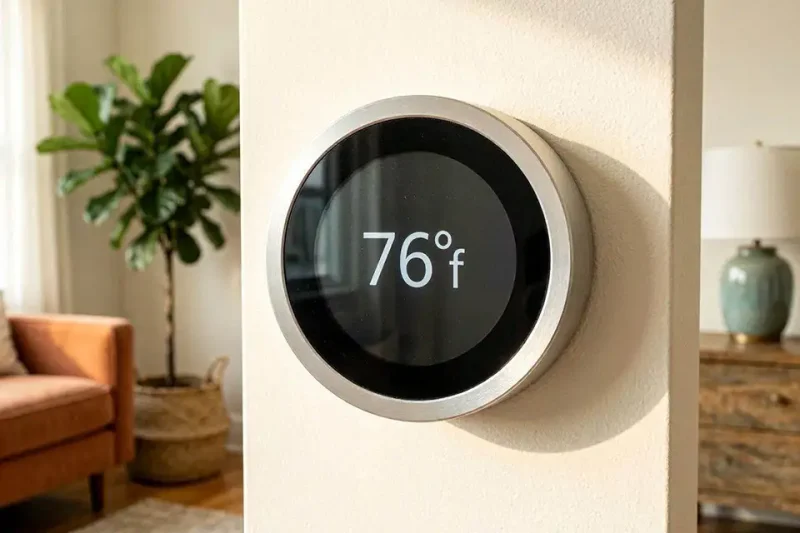
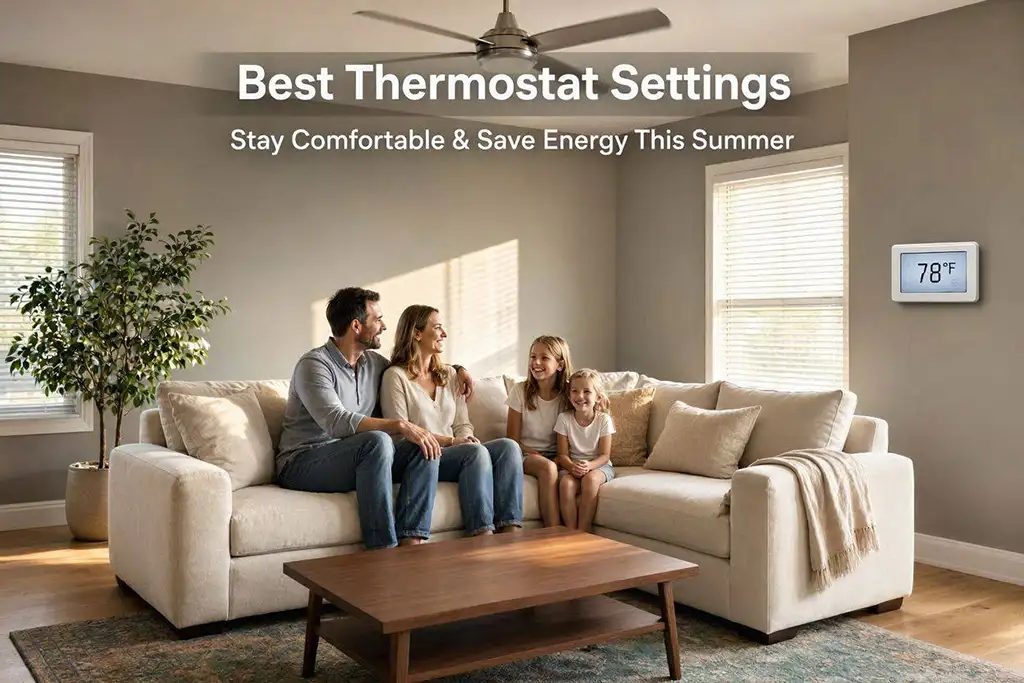
Many homeowners constantly adjust the thermostat hoping the house cools faster. Unfortunately, setting the thermostat to 60°F doesn’t make your AC cool faster.
It simply makes it run longer.
A programmable or smart thermostat can automatically raise temperatures while you’re away and cool the home before you return.
Recommended settings:
- Home: 74-78°F
- Sleeping: 72-75°F
- Away: 80-85°F
Every degree higher can reduce cooling costs.
6. Check Air Registers Throughout the House
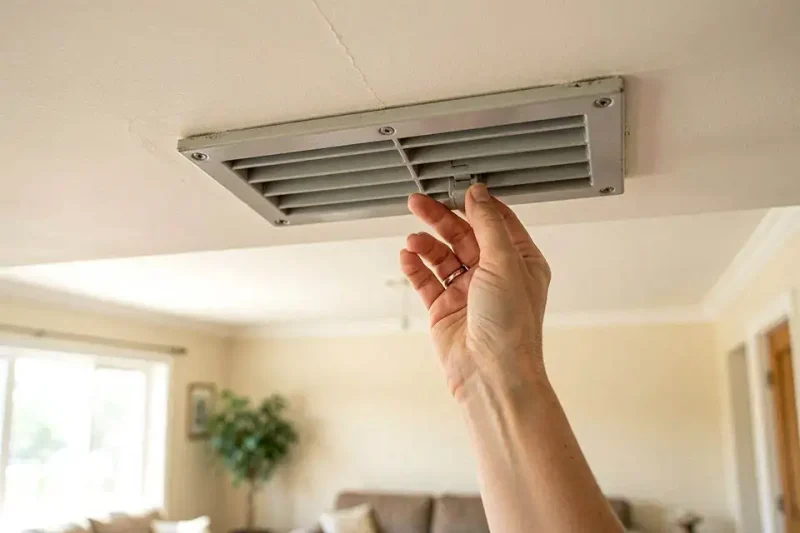
Walk around your home while the system is running.
Feel each supply register. Ask yourself:
- Is air coming out?
- Does one room have much weaker airflow?
- Is furniture blocking the vent?
- Are rugs covering floor registers?
Good airflow equals better comfort.
7. Use Ceiling Fans Correctly
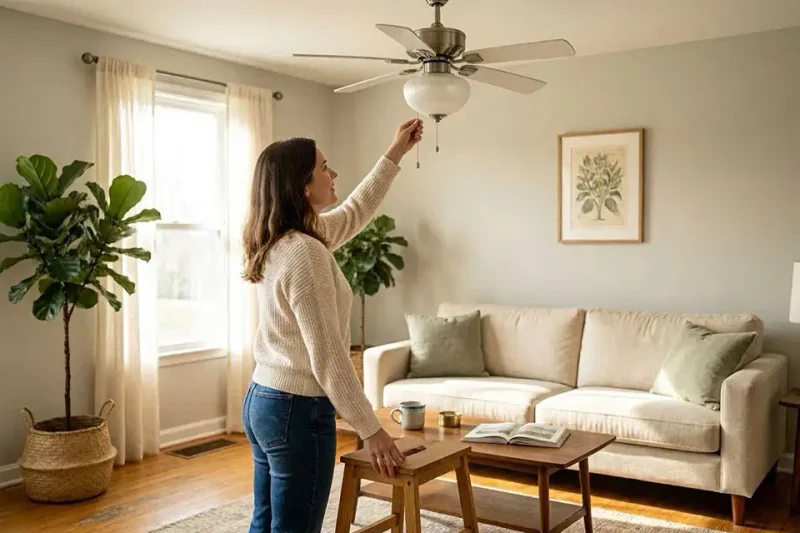
Ceiling fans don’t actually lower room temperature. They move air across your skin, making you feel cooler.
During summer:
The fan should rotate counterclockwise. This pushes air downward and creates a cooling breeze.
Remember:
Turn fans off when leaving the room since they cool people—not rooms.
8. Keep Curtains and Blinds Closed During Peak Sunlight
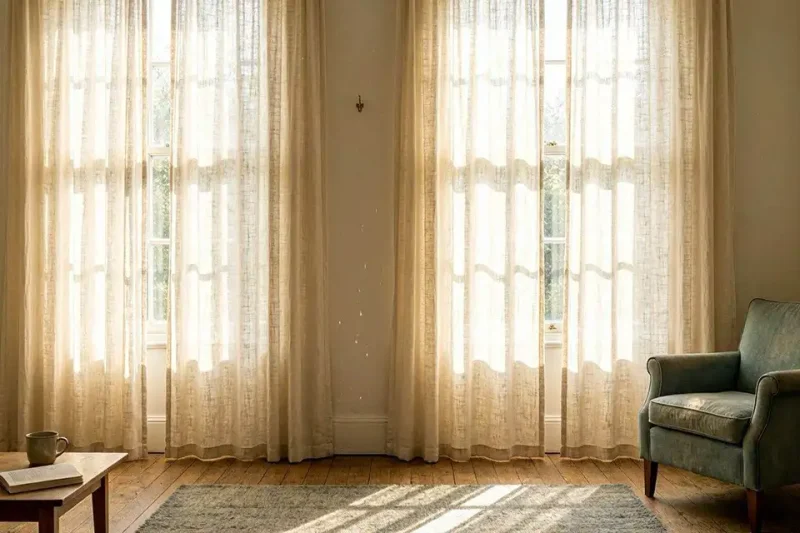
Direct sunlight adds tremendous heat to your home. South- and west-facing windows create the greatest heat gain.
Closing:
- Curtains
- Blinds
- Shades
during the afternoon can significantly reduce indoor temperatures and lessen the workload on your HVAC system.
9. Check Around Windows and Doors for Air Leaks
Cool air escaping through gaps means your air conditioner has to work harder.
Inspect around:
- Windows
- Exterior doors
- Sliding glass doors
- Utility penetrations
Replace worn weatherstripping and apply caulk where needed. These inexpensive repairs often pay for themselves through lower utility bills.
10. Keep Return Air Grilles Clear
Your HVAC system needs unrestricted return airflow.
Don’t block return vents with:
- Furniture
- Bookcases
- Storage boxes
- Curtains
Poor return airflow reduces system efficiency and can make certain rooms uncomfortable.
11. Watch for Warning Signs of Trouble
Don’t ignore early warning signs. Call for service if you notice:
- Warm air from vents
- Ice on refrigerant lines
- Loud noises
- Burning smells
- Short cycling
- Water around the indoor unit
- Extremely high electric bills
Small problems often become expensive repairs if ignored.
12. Reduce Indoor Heat Sources
Every appliance generates heat.
During the hottest part of the day:
- Grill outside instead of using the oven.
- Run the dishwasher overnight.
- Do laundry in the evening.
- Switch to LED lighting.
These simple habits reduce the cooling load on your HVAC system.
13. Keep Your Condensate Drain Clean
Your air conditioner removes moisture from the air. That water exits through a condensate drain line.
If the drain clogs, you may notice:
- Water leaks
- High humidity
- Musty odors
- The system shutting off unexpectedly
Pouring a cup of distilled white vinegar into the condensate drain every few months can help discourage algae growth. If the line is already clogged or backing up, it should be cleaned properly before restarting the system.
14. Don’t Skip Annual Maintenance
Even if your air conditioner seems to be working fine, regular maintenance helps keep it operating efficiently.
A typical inspection includes checking:
- Refrigerant pressures
- Electrical connections
- Capacitors
- Condenser coil
- Evaporator coil
- Blower motor
- Temperature split
- Condensate drain
- Safety controls
Routine maintenance can catch small issues before they turn into expensive repairs during the hottest days of summer.
15. Know When Your Air Conditioner Is Working Normally
Many homeowners worry when their air conditioner runs for long periods on extremely hot days.
In reality, a properly sized system may run almost continuously when outdoor temperatures reach the upper 90s.
That’s often a sign it’s doing exactly what it was designed to do.
However, if the indoor temperature continues rising even though the system is running non-stop, it’s time to investigate the cause.

Bonus Energy Saving Tips
Small changes can add up to noticeable savings during the cooling season.
- Replace dirty filters regularly.
- Seal air leaks around doors and windows.
- Keep the outdoor unit clean.
- Use ceiling fans.
- Close curtains during the hottest part of the day.
- Avoid generating excess indoor heat.
- Install a programmable thermostat.
- Keep supply and return vents unobstructed.
Frequently Asked Questions
How often should I change my HVAC filter during the summer?
Check it every month. Most homes need a new filter every one to three months, but homes with pets or heavy dust may require monthly replacement.
Is it okay for my air conditioner to run all day?
Yes. During periods of extreme heat, it’s normal for a properly functioning system to run for extended periods to maintain the thermostat setting.
Should I spray my outdoor AC unit with water?
Yes. With the power turned off, you can gently rinse dirt and debris from the condenser coil using a garden hose. Avoid using a pressure washer, which can damage the delicate fins.
Why is one room warmer than the rest of the house?
Common causes include blocked vents, closed interior doors, poor insulation, air leaks, or ductwork issues that reduce airflow to that room.
What’s the best thermostat temperature in the summer?
Many homeowners find that 76°F to 78°F provides a comfortable balance between indoor comfort and energy efficiency, though personal preference and humidity levels can influence the ideal setting.
Final Thoughts on Keeping Your AC Running Smoothly All Summer Long
A little preventative maintenance goes a long way toward keeping your home comfortable during the hottest months of the year. By replacing air filters, keeping the outdoor condenser clean, maintaining proper airflow, and making a few energy-smart adjustments around the house, you can improve your air conditioner’s performance while helping reduce wear and tear on the system.
The best part is that most of these HVAC tips take only a few minutes but can help prevent costly repairs and lower your monthly cooling bills. Make these simple checks part of your summer home maintenance routine, and your HVAC system will be better prepared to handle whatever the season brings.
Explore Our Growing Local Contractor Directory



Related Summer Homeowner Guides
- ✅HVAC Tips for Homeowners in the Summer
- Summer Home Maintenance Checklist: 25 Simple Tasks Every Homeowner Should Complete
- How to Keep Your House Cool Without Turning Down the Thermostat
- Why Is My Upstairs Always Hot in the Summer?
- Best Thermostat Settings for Summer
- Summer Energy Saving Tips That Actually Work
Are you a contractor?
Help homeowners find your business by listing your company in the HelpHouse Contractor Directory.